
The Psychology of Window Treatments: How Light and Color Affect Your Mood at Home
TLDR;
Window treatments influence how you feel by controlling light and color in your home. The right shades, blinds, or curtains balance natural light, regulate energy, and create an emotional atmosphere that supports focus, calm, or comfort. Light direction, color tone, and fabric choice all play key roles in how your environment affects your mood.
Why Window Treatments Matter More Than You Think
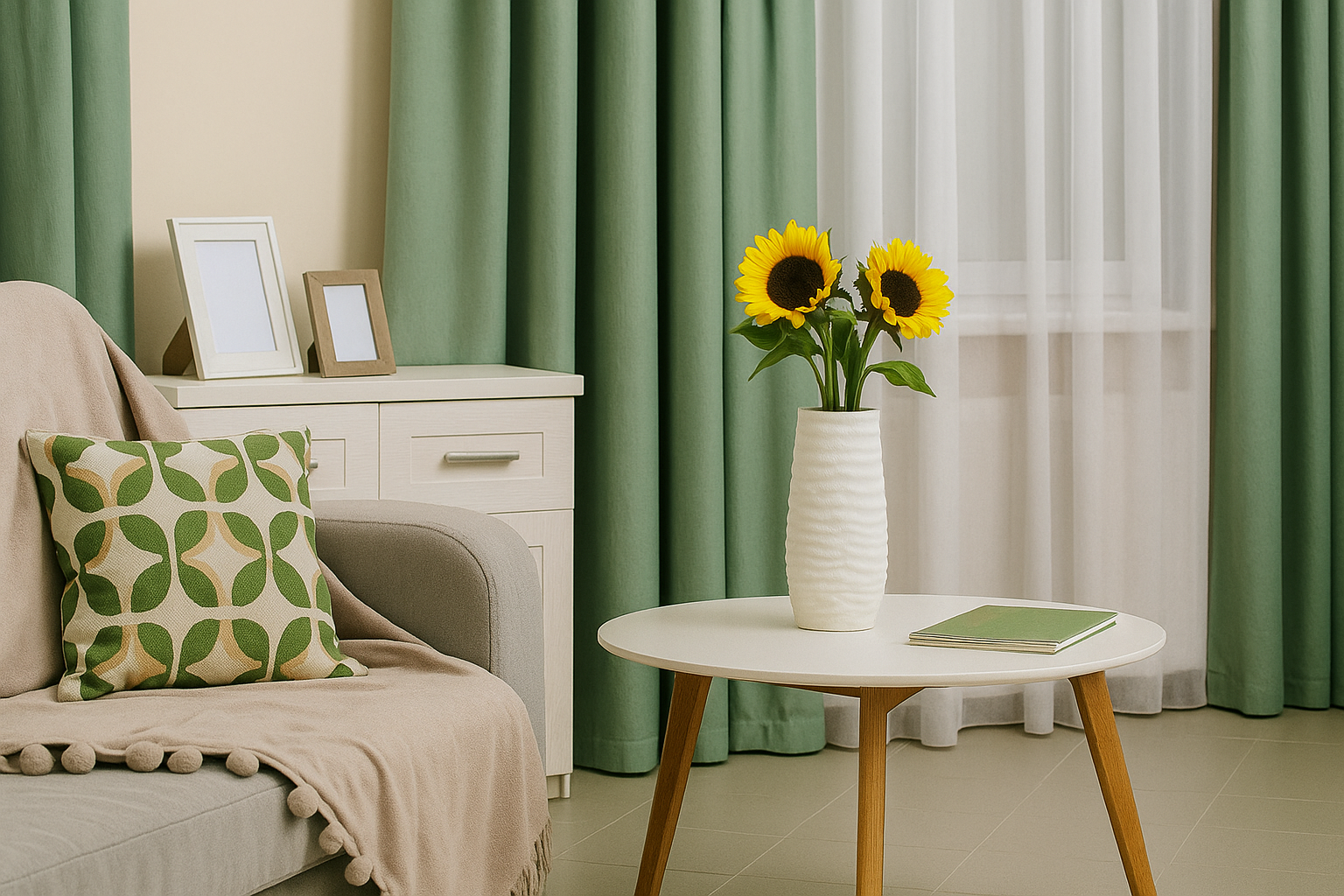
Window treatments are more than decorative accessories. They shape how you experience your home every day. At Love Is Blinds NC, we help homeowners understand that blinds, shades, and curtains directly influence mood, energy, and productivity through light and color management.
Natural light exposure regulates your body’s circadian rhythm. It impacts serotonin and melatonin levels, which control sleep and emotional balance. When your window treatments allow the right amount of light, your home feels more comfortable and emotionally stable.
Poor lighting, harsh glare, or total darkness can disrupt this balance. The result is fatigue, irritability, or low motivation. Adjusting your window treatments to control brightness creates harmony between your mind and surroundings.
The Link Between Light, Color, and Emotional Well-Being
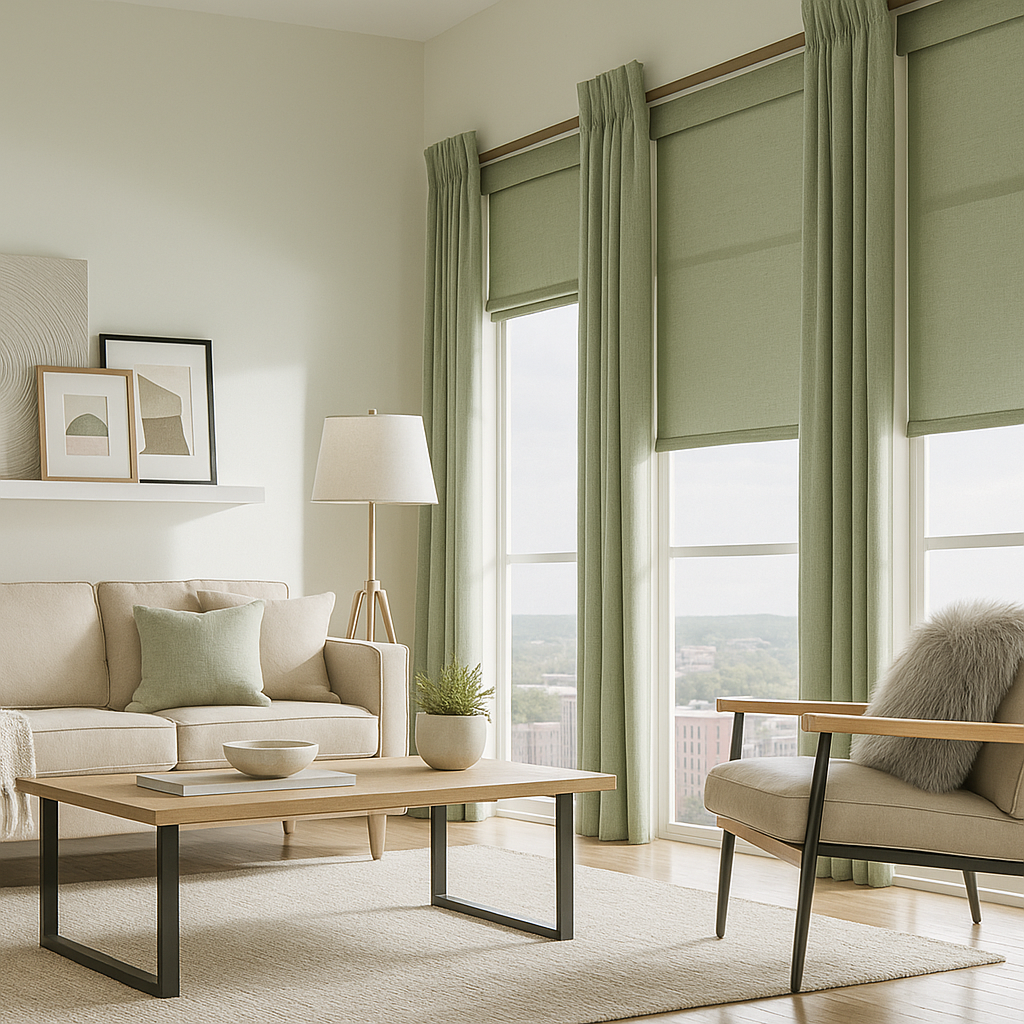
Light influences how your brain produces hormones related to alertness and happiness. Exposure to natural light boosts serotonin, improving your mood and focus. Too little light triggers fatigue or low mood.
Color psychology is equally important. Every color evokes a different emotion:
- Warm colors like red and yellow energize and promote social interaction.
- Cool colors like blue and green create relaxation and calm.
- Neutrals like beige and gray bring balance and timeless appeal.
When you combine controlled light with the right color tones in your window treatments, you create spaces that naturally support your emotional goals.
How Light Control Through Window Treatments Shapes Your Mood
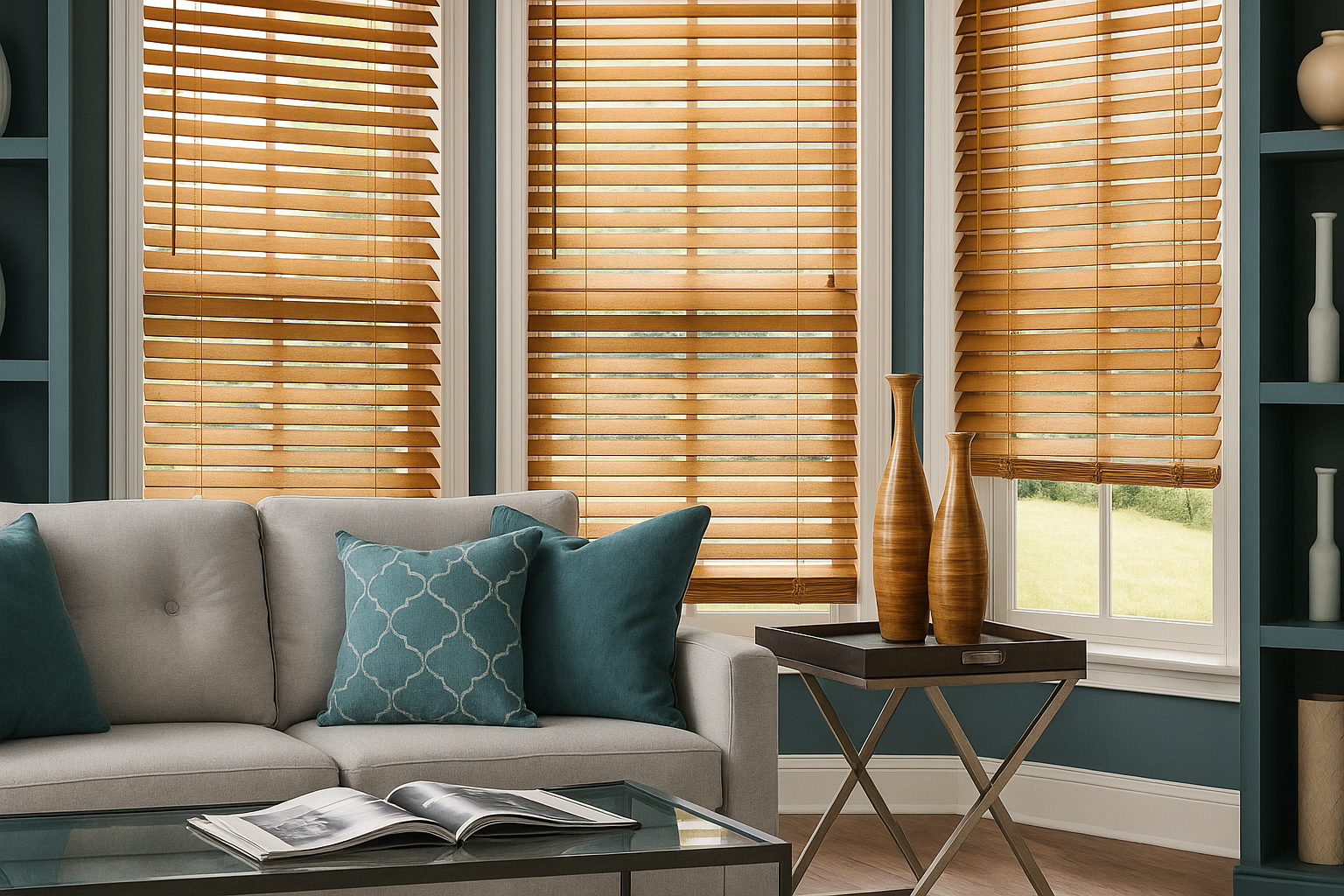
Light management determines how your space feels throughout the day. The amount and direction of light affect focus, relaxation, and comfort.
Natural vs Artificial Light
Natural light triggers alertness and positivity. Artificial light provides consistency after sunset. Window treatments help you balance both.
- Use
sheer curtains to diffuse harsh sunlight without darkening the room.
- Use
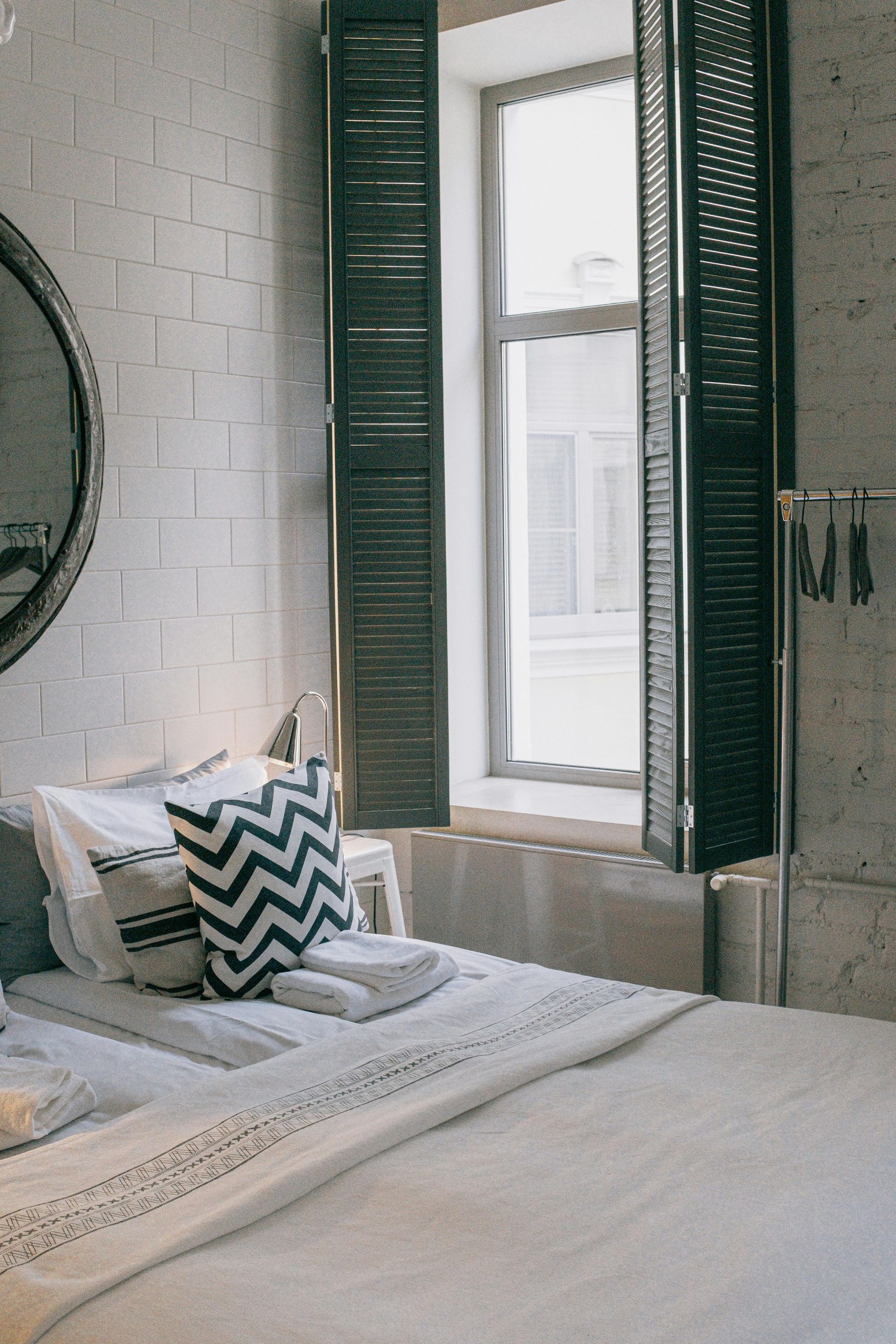
blackout curtains for bedrooms to protect sleep quality.
- Install
adjustable blinds in offices to manage glare on screens while maintaining focus.
East-facing windows receive energizing morning light. West-facing rooms get warmer afternoon hues. Adjusting
blinds or shades throughout the day maintains consistent brightness and mood.
Window Treatments by Room: Matching Light and Function
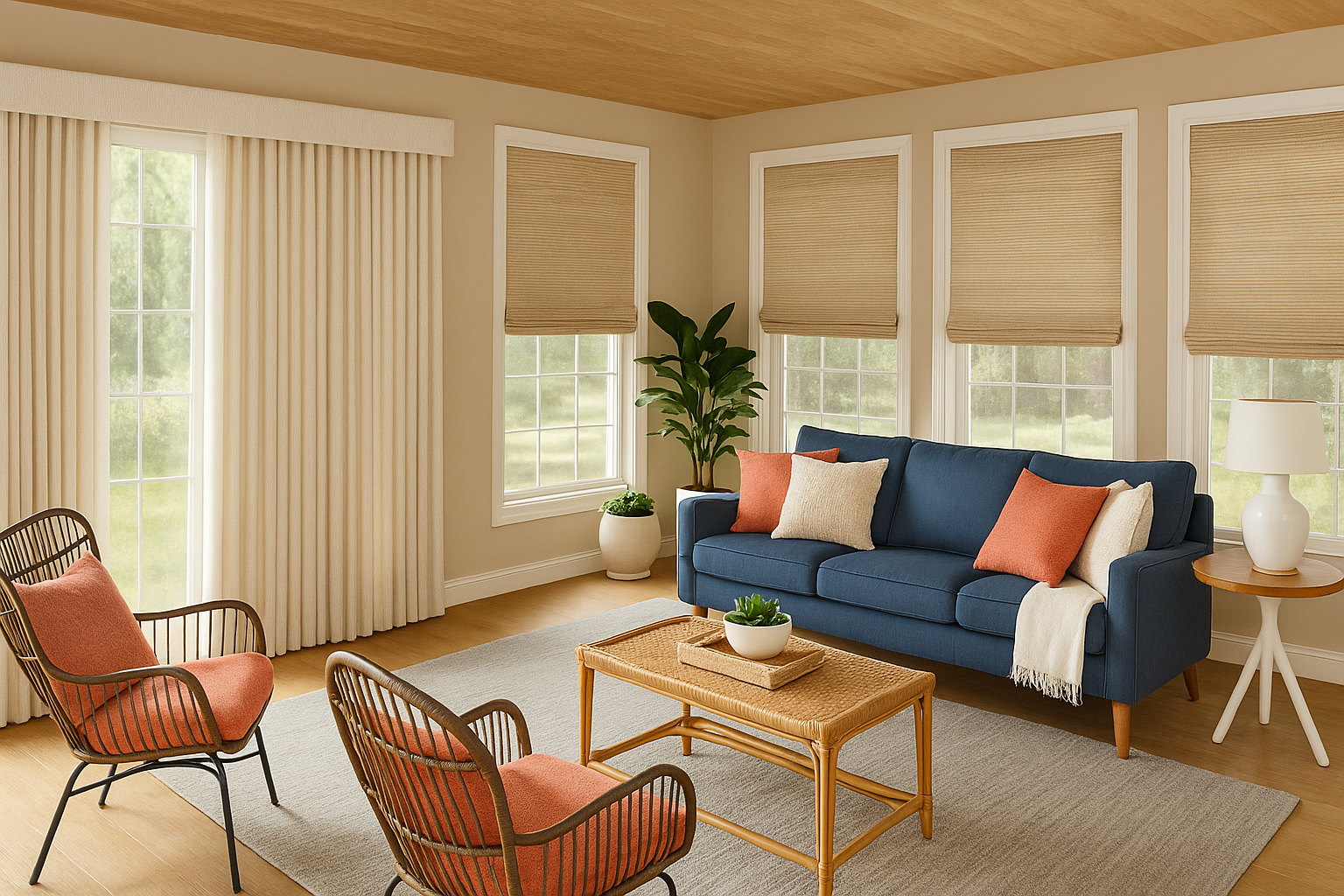
Each room serves a different purpose, so light control should align with its function and emotional tone.
Living Room
A social and relaxing space benefits from versatility.
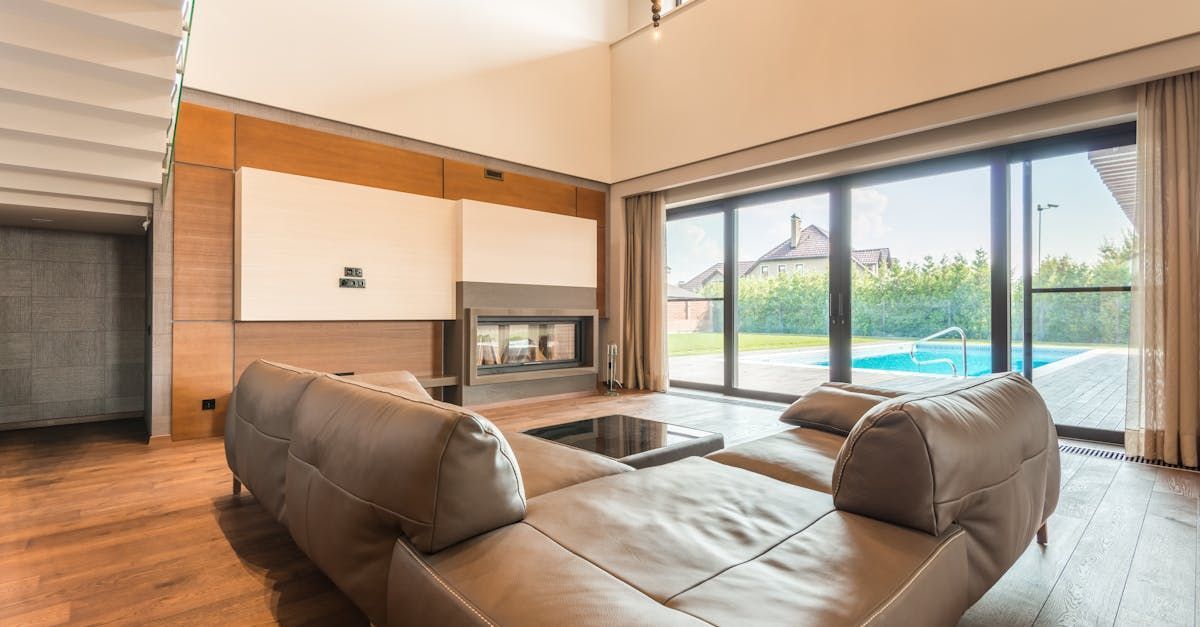
- Layer sheer and blackout panels to shift from bright daytime to cozy evenings.
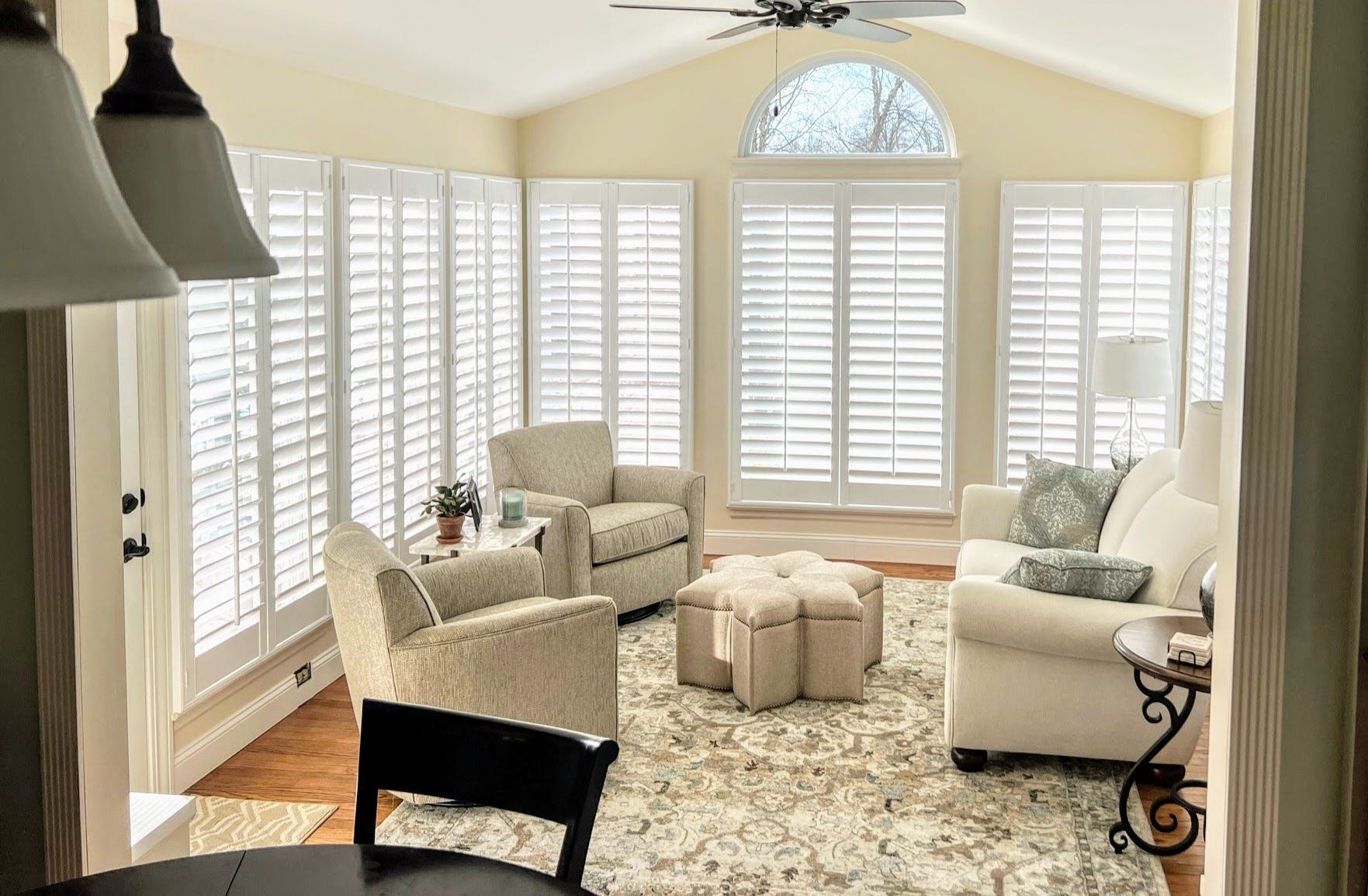
- Use warm neutrals or soft greens for a balanced atmosphere.
- Prioritize natural fabrics that filter light gently.
Bedroom
Sleep quality depends on darkness and relaxation.
- Blackout curtains help maintain circadian rhythm and prevent early morning light disturbance.
- Choose cool colors like blue or soft gray for a calming effect.
- Add layered sheers for privacy without losing all natural light.
Kitchen and Dining Area
These are active spaces where light enhances energy and connection.
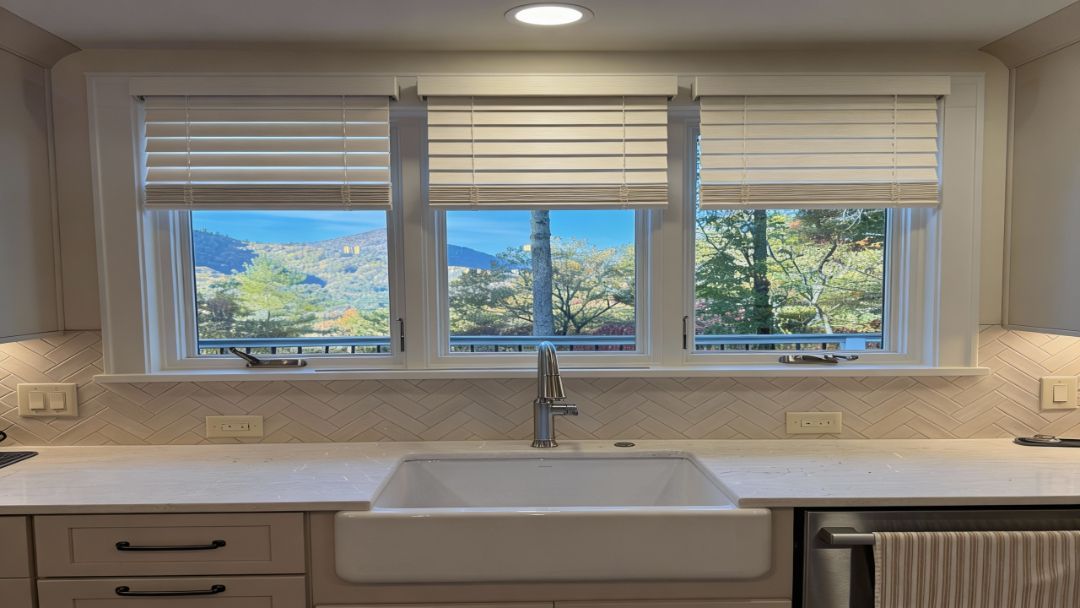
- Opt for blinds or
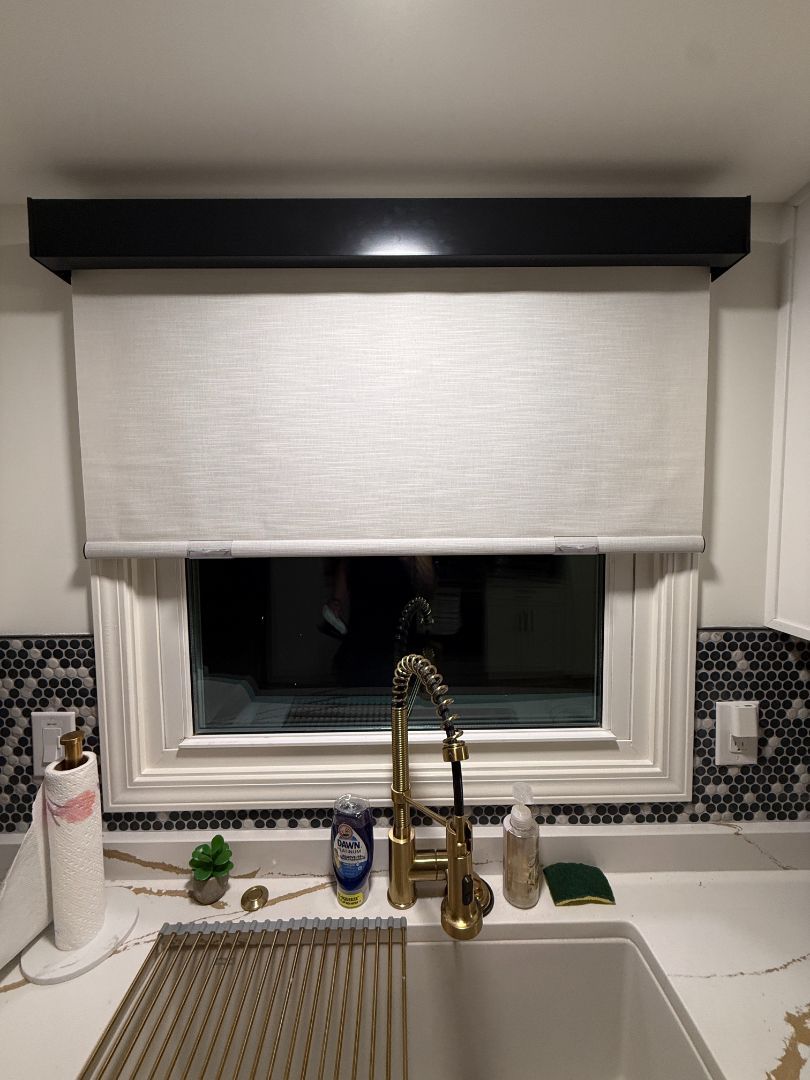
roller shades that let in morning brightness.
- Use cheerful colors like yellow or soft orange to encourage appetite and optimism.
- Avoid overly dark tones that make the room feel heavy.
Home Office
Light directly affects productivity and mental clarity.
- Use adjustable blinds for precise control during work hours.
- Choose energizing but non-distracting colors like pale green or light beige.
- Incorporate sheer coverings to reduce glare without dulling natural light.
The Impact of Color and Texture in Window Treatments
Color and texture change how you feel about a room the moment you walk in. Love Is Blinds NC helps clients choose window coverings that align color psychology with comfort and function.
Color Psychology of Window Coverings
| Color | Emotional Effect | Recommended Room |
|---|---|---|
| Blue | Calm, reflective | Bedroom, study |
| Green | Balanced, refreshing | Living room, bathroom |
| Yellow | Cheerful, bright | Kitchen, dining room |
| Red | Stimulating, energetic | Dining area (in moderation) |
| Beige/Gray | Grounded, neutral | Office, open spaces |
A single color can influence temperature perception and emotional state. For instance, cooler tones make small rooms feel open, while warmer tones make large rooms feel intimate.
Material, Texture, and Layering: More Than Color
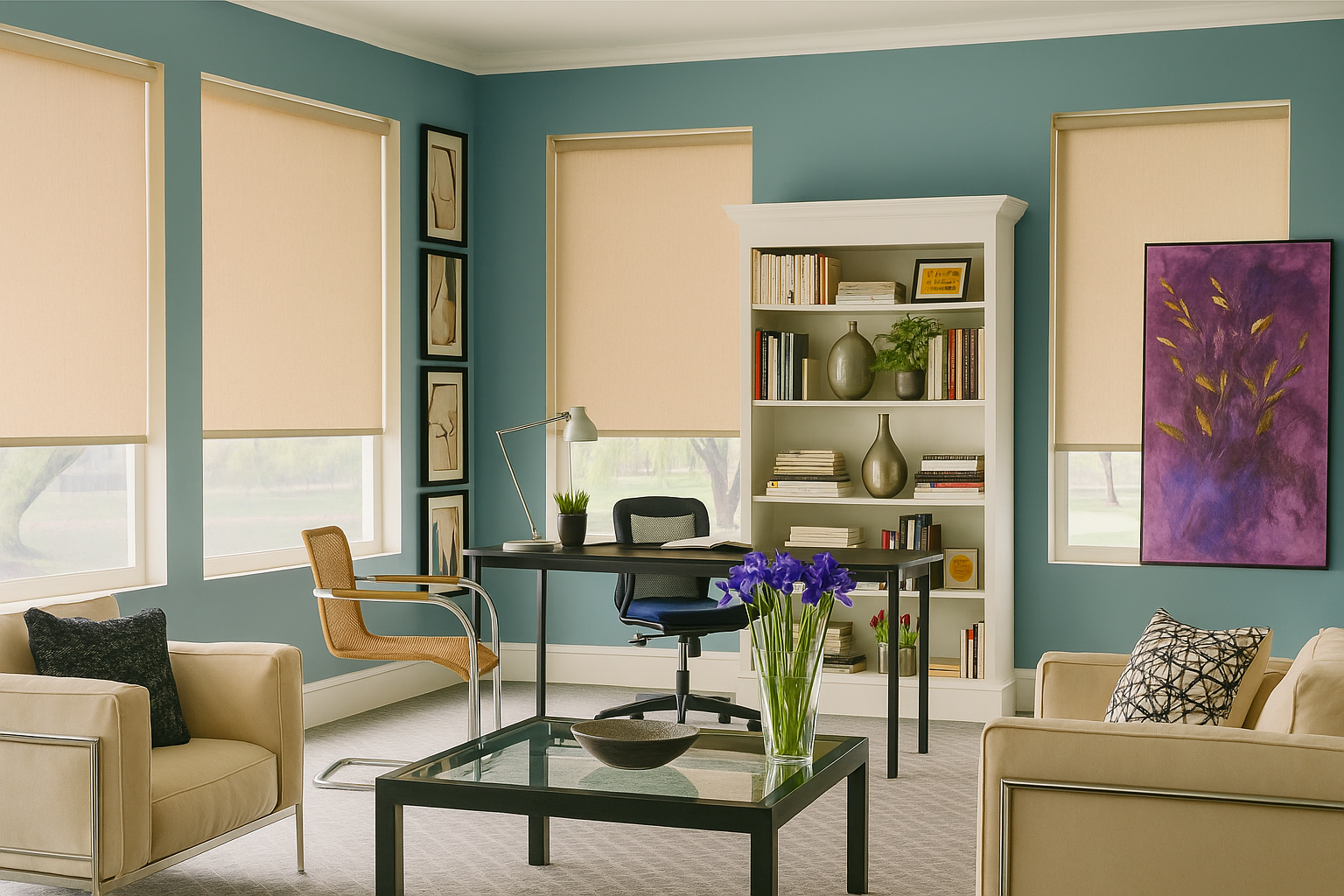
Texture defines the visual and tactile experience of your space. Heavy fabrics like velvet absorb sound and block light, making rooms quieter and cozier. Light materials like linen or sheer polyester diffuse sunlight, softening edges and creating calm.
Key considerations:
- Sheer fabrics: allow soft light and privacy, suitable for common areas.
- Medium-weight drapes: balance light and insulation for multi-purpose rooms.
- Blackout fabrics: ideal for bedrooms where darkness supports rest.
- Wood or
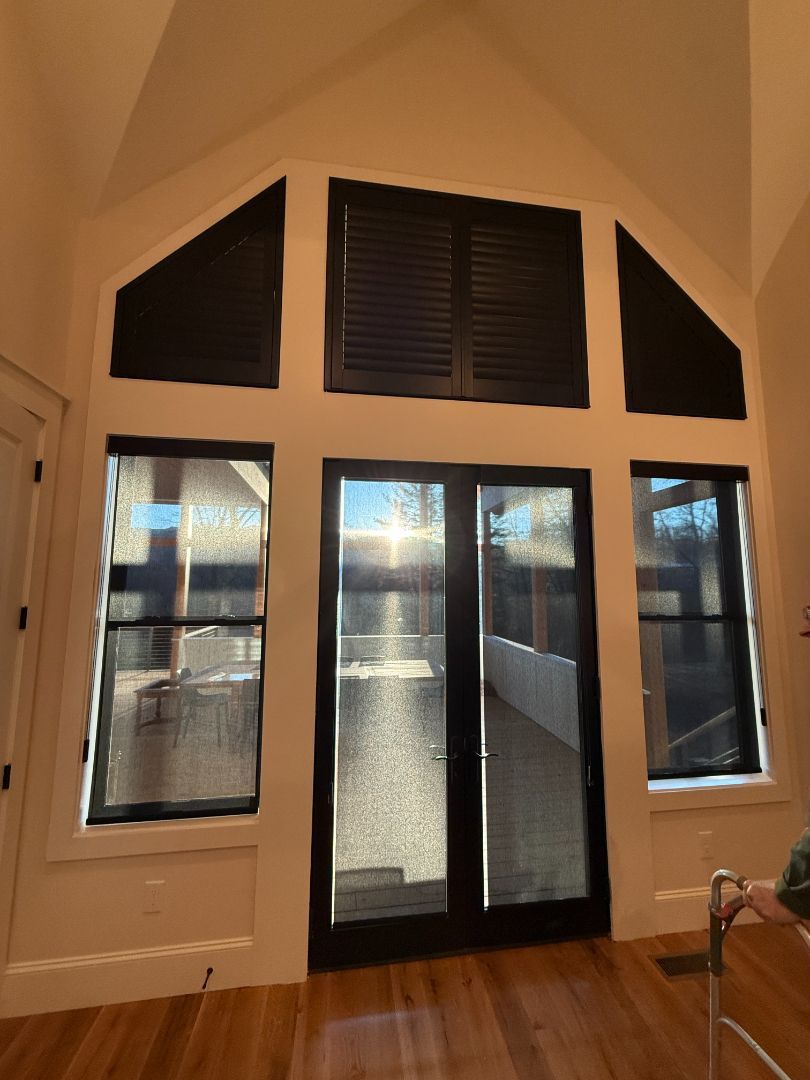
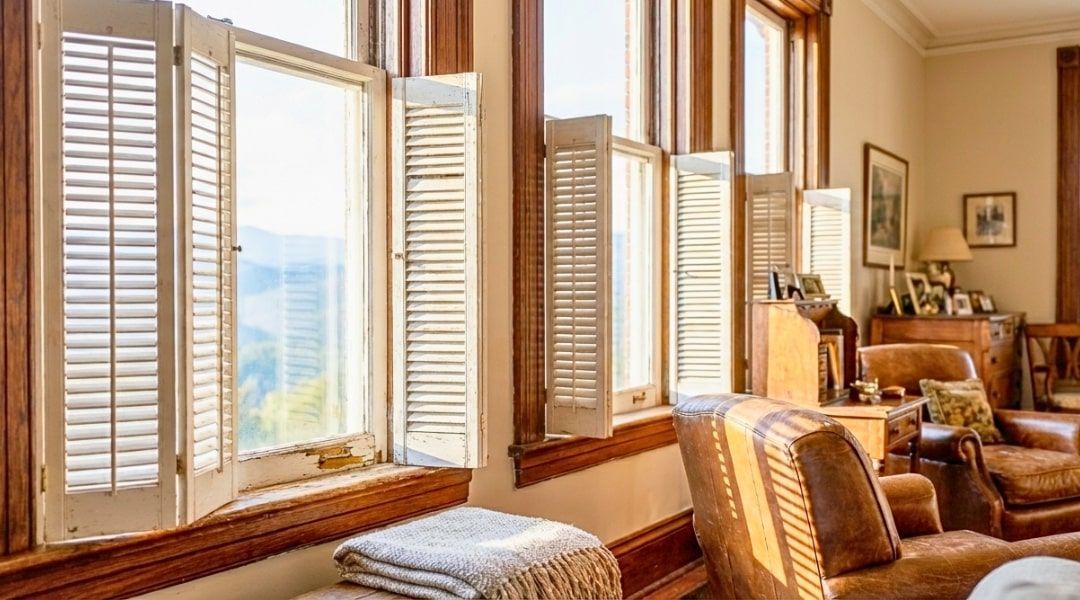
faux wood blinds: natural warmth and structure, suitable for offices and living rooms.
Layering treatments improves mood by giving you control. Sheers with blackout panels provide flexibility between open and intimate settings. Texture also influences acoustics. Softer fabrics reduce echo, making the environment feel peaceful and private.
Designing Your Window Treatment Strategy for Well-Being
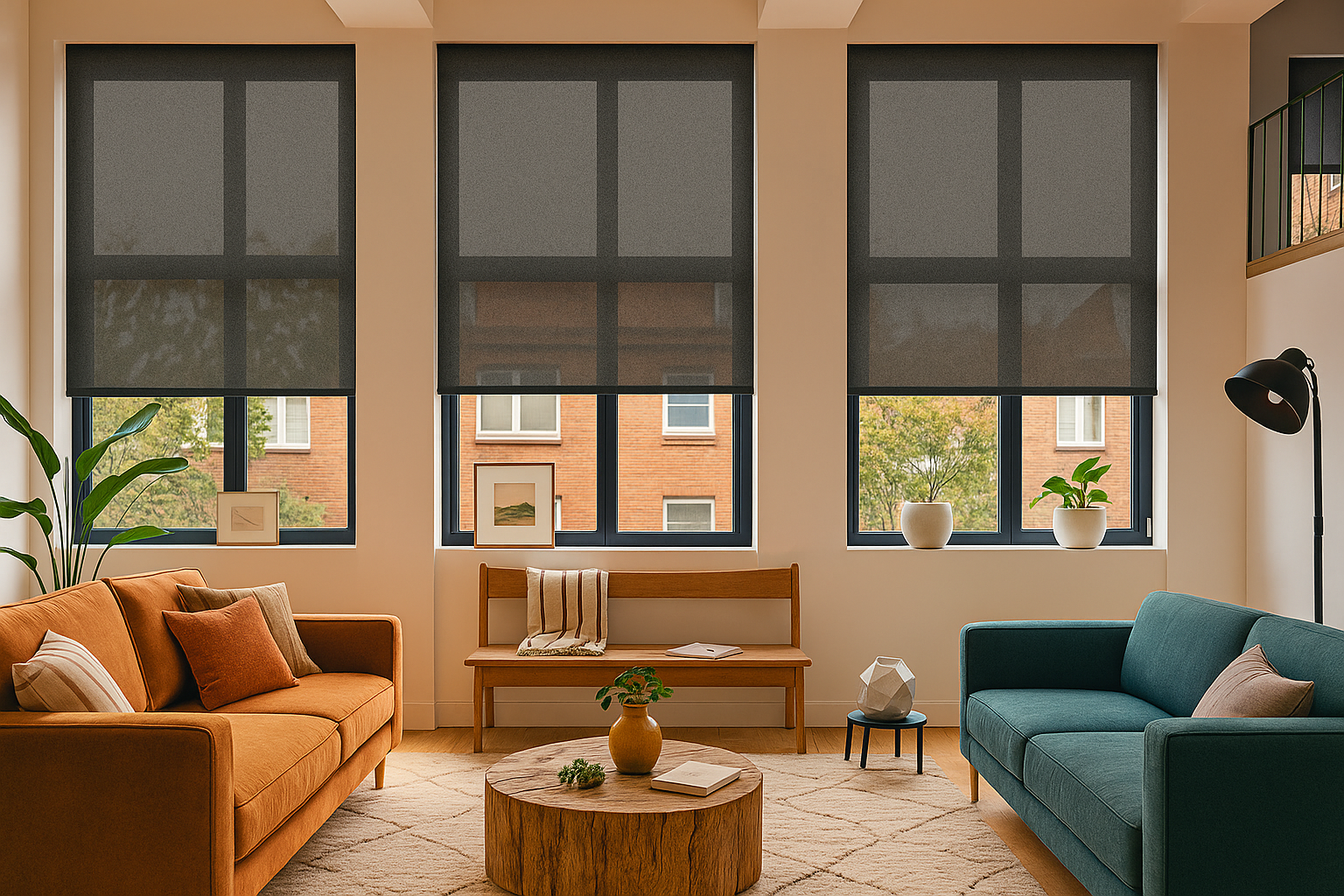
To use window treatments strategically, begin by defining the mood and function of each room.
Step 1: Assess Your Room Goals
- Identify whether the space should energize, calm, or balance.
- Observe natural light direction and intensity.
- Note privacy and insulation needs.
Step 2: Match Window Treatments to Function
- Living areas: Layered treatments for flexibility.
- Bedrooms: Blackout curtains or
energy efficient window treatments help regulate temperature, enhance rest, and maintain year-round comfort.
- Kitchens: Easy-clean roller shades for brightness.
- Offices: Adjustable blinds for focus.
Step 3: Choose Colors and Fabrics Intentionally
- Warm colors for lively areas.
- Cool tones for restful rooms.
- Natural materials for texture and warmth.
Step 4: Layer for Comfort and Control
Layering allows control over brightness, privacy, and temperature. Use sheers for daytime light, heavier panels for insulation, and blinds for precision.
Seasonal Adjustments and Mood Refresh
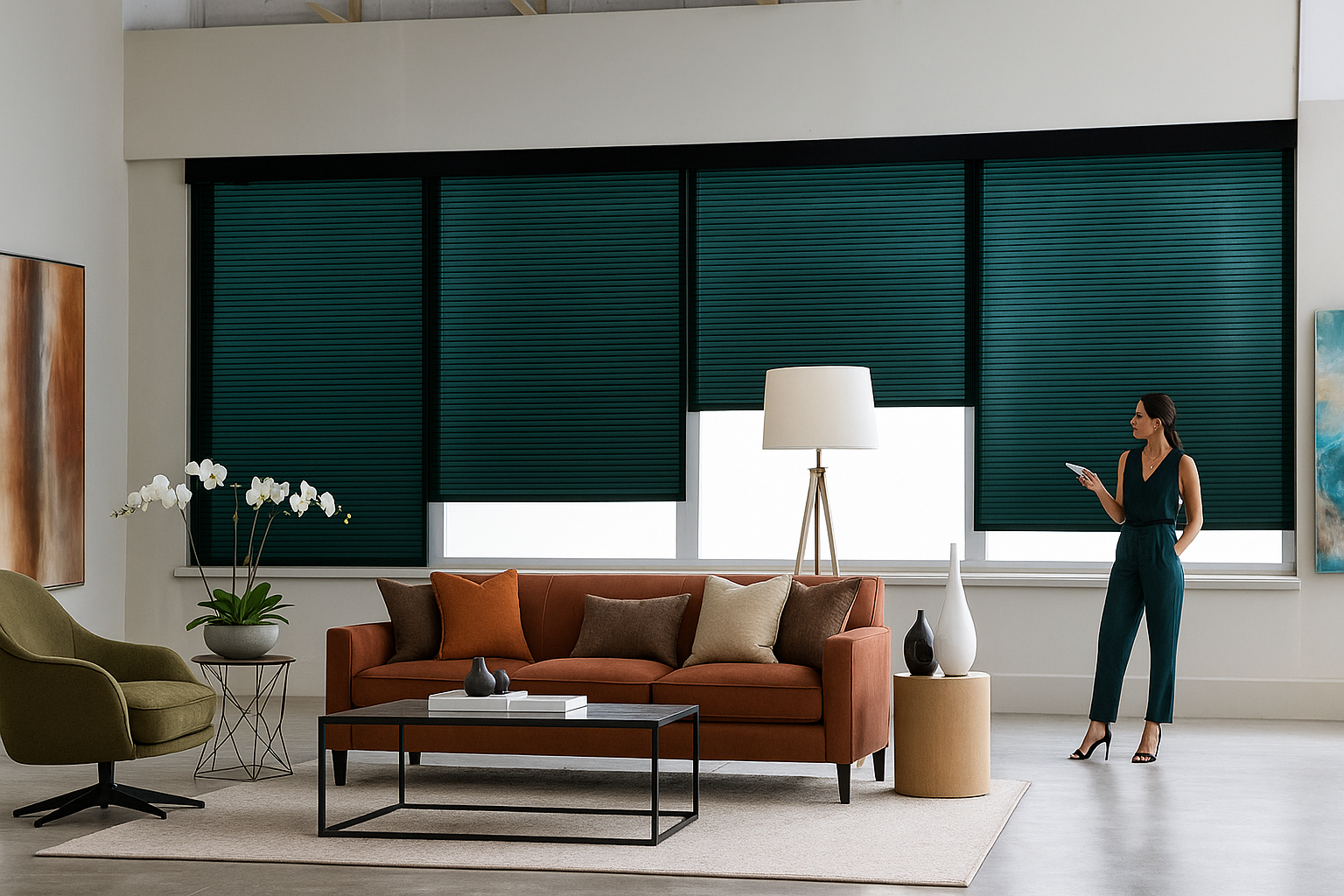
Changing window treatments seasonally enhances comfort and well-being. Your lighting needs shift as daylight hours change.
- Spring and Summer: Lighter fabrics and colors maintain brightness.
- Fall and Winter: Heavier drapes improve warmth and reduce drafts.
- Psychological Refresh: A new color or texture can create a mental reset. Even minor updates, such as swapping curtain ties or adding a valance, shift perception and mood.
These small seasonal changes keep your environment dynamic and emotionally balanced.
Common Mistakes and How to Avoid Them
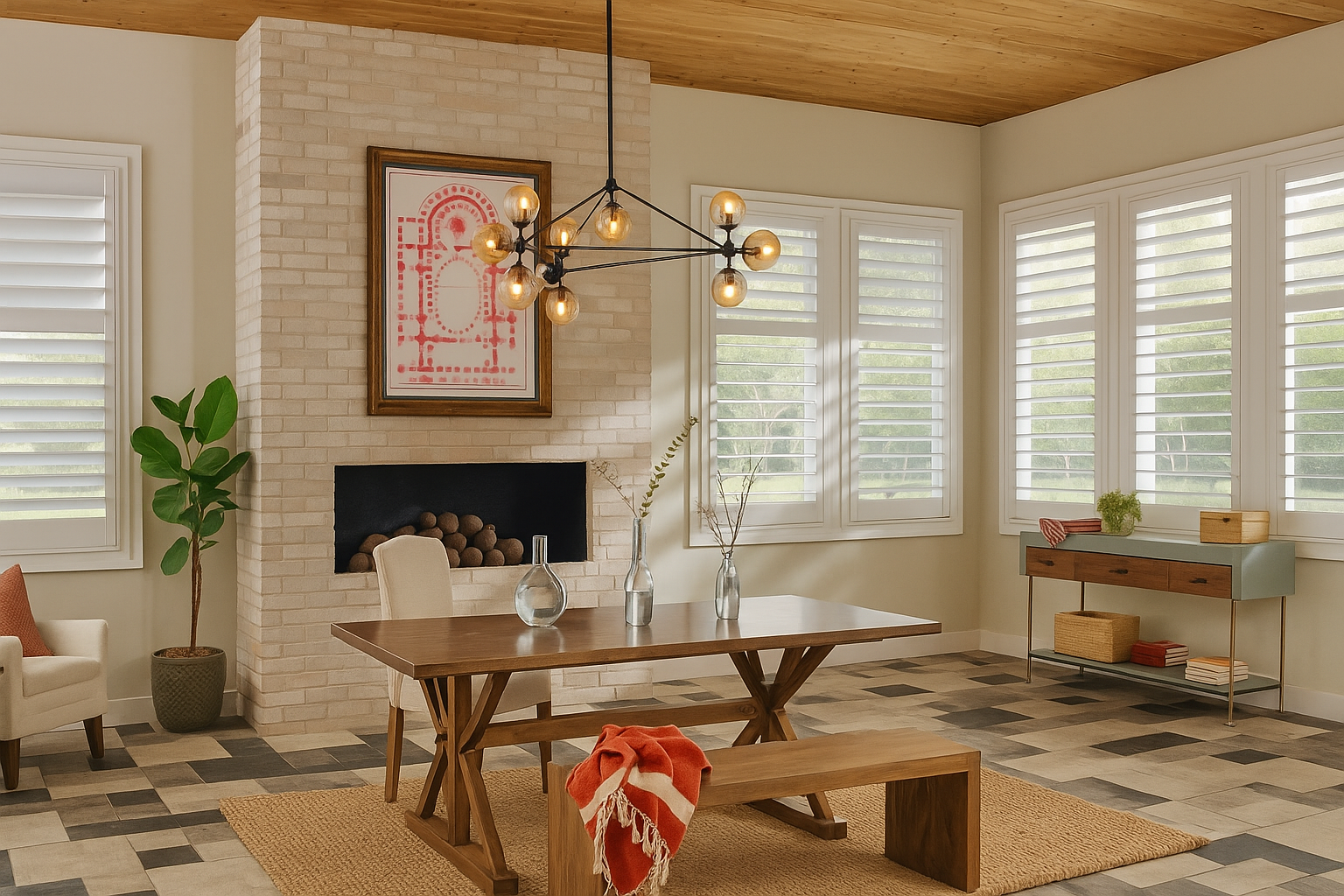
Many homeowners overlook how design decisions affect well-being. Avoiding common mistakes ensures your investment supports both comfort and mood.
- Too little natural light: Overly dark treatments can make rooms feel smaller and oppressive.
- Harsh glare: Unfiltered sunlight strains eyes and causes discomfort.
- Color mismatch: Inconsistent tones disrupt harmony across rooms.
- Ignoring fabric quality: Cheap materials age poorly and distort color over time.
- No layering strategy: Relying on one type of treatment limits control and versatility.
Small adjustments to color, texture, and layering often deliver major emotional benefits.
FAQs – Window Treatments and Mood
What color blinds are best for a calm bedroom?
Soft blues, greens, and neutral grays promote relaxation and restfulness.
Can window treatments improve productivity at home?
Yes. Proper lighting and energizing colors like soft yellow or beige increase alertness and focus.
How many layers should I use?
Two layers are often ideal: a sheer for daytime and a heavier layer for privacy and insulation.
Are blackout curtains suitable for every room?
No. Use blackout curtains mainly for bedrooms or media rooms where darkness is needed.