
How to Clean Blinds, Shades & Shutters: The Complete Guide for Every Window Treatment
Dusty, grimy blinds can make even the most beautiful room look neglected. Yet despite being one of the most common fixtures in every home, most people have no idea how to properly clean their window treatments — and using the wrong method on the wrong material can cause permanent damage. Whether you have horizontal blinds, vertical blinds, cellular shades, roller shades, woven wood shades, or plantation shutters, each type requires a different cleaning approach to look its best and last for years.
At Love is Blinds , we've been installing and maintaining window treatments across Asheville , Hendersonville , Waynesville , and all of Western North Carolina for years. We've seen every cleaning mistake in the book — from homeowners soaking wood blinds in bathtubs to spraying cellular shades with harsh chemicals. This guide covers the correct cleaning method for every type of window treatment we sell and install, so you can keep yours looking brand new.
1. How to Clean Faux Wood Blinds
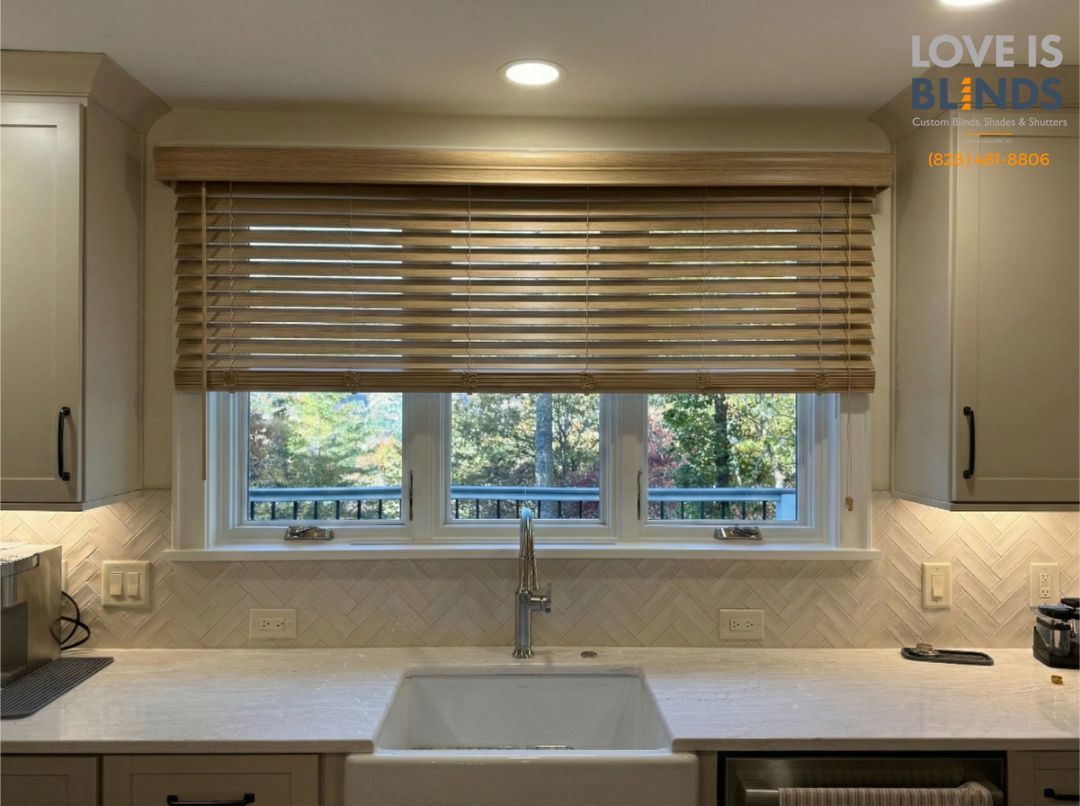
Faux wood blinds are among the easiest window treatments to clean, which is one of the many reasons they're our most popular product across homes in Canton , Black Mountain , and Weaverville. Their PVC composite construction means they won't absorb water, resist staining, and can handle more aggressive cleaning than natural materials.
Weekly Dusting: Close the blinds so the slats are flat. Using a microfiber cloth, feather duster, or the brush attachment on your vacuum cleaner, wipe across each slat from left to right, starting at the top and working down. Then flip the slats to the opposite direction and repeat. This takes about two minutes per window and prevents dust buildup that leads to stubborn grime over time.
Monthly Wipe-Down: Dampen a microfiber cloth with warm water and a drop of mild dish soap. Wipe each slat individually, rinsing your cloth frequently. For stubborn spots, a 50/50 mix of warm water and white vinegar works excellently on faux wood without damaging the finish. Dry each slat with a clean cloth to prevent water spots.
Deep Cleaning: For blinds that have gone too long without cleaning, you can actually remove them from the window and lay them flat in the bathtub with warm, soapy water. Let them soak for 15-20 minutes, gently scrub any remaining grime with a soft sponge, rinse with clean water, and hang them over the shower rod to drip dry completely before reinstalling. This is one of the biggest advantages of faux wood over real wood — you simply cannot do this with natural wood blinds.
2. How to Clean Real Wood Blinds
Real wood blinds require more careful handling than their faux wood counterparts. Water is the enemy of natural wood — it can cause warping, swelling, discoloration, bowing, and finish damage. Never submerge wood blinds in water, and avoid using dripping wet cloths during cleaning.
Weekly Dusting: Use a dry microfiber cloth, feather duster, or the soft brush attachment on your vacuum (set to low suction). Gently wipe each slat from end to end, following the grain of the wood. An old clean sock pulled over your hand works surprisingly well — you can dust both the top and bottom of each slat simultaneously by pinching each one between your fingers as you slide along.
Monthly Polishing: Apply a small amount of wood-specific furniture polish to a clean, soft cloth. Wipe each slat lightly, following the wood grain. This not only removes fingerprints and light grime but also conditions the wood and helps maintain the finish. Avoid silicone-based polishes, which can build up over time and create a cloudy appearance.
Spot Cleaning: For individual stains or marks, use a slightly damp (not wet) cloth with a tiny amount of wood cleaner. Wipe only the affected area, then immediately follow with a dry cloth to remove all moisture. Never leave any water sitting on real wood surfaces, even briefly.
What NOT to do: Never use water sprays, steam cleaners, or wet cloths on real wood blinds. Never soak them. Avoid placing real wood blinds in high-humidity areas like bathrooms or kitchens near the sink — if you need blinds in these locations, faux wood blinds are the appropriate choice.
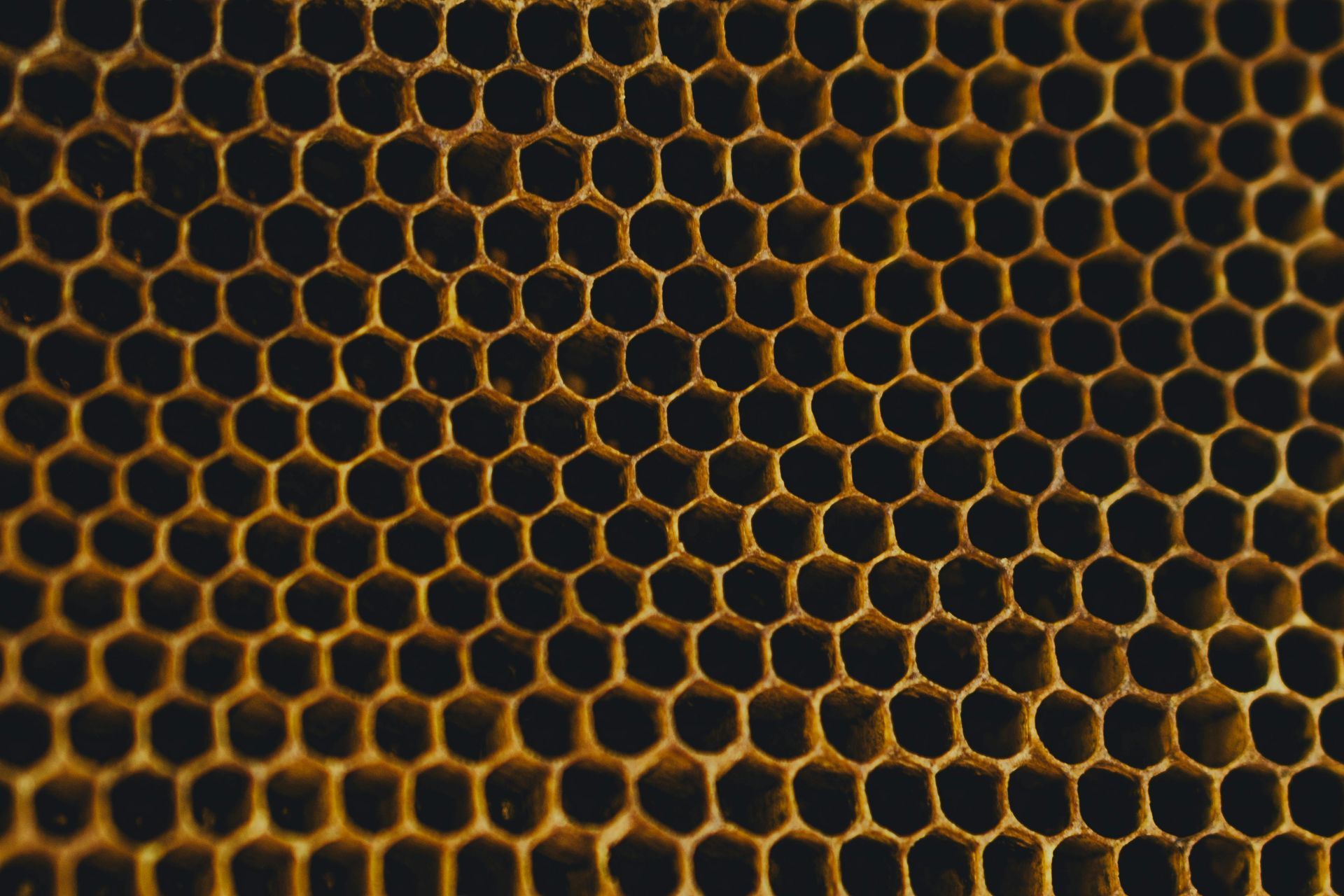
3. How to Clean Cellular (Honeycomb) Shades
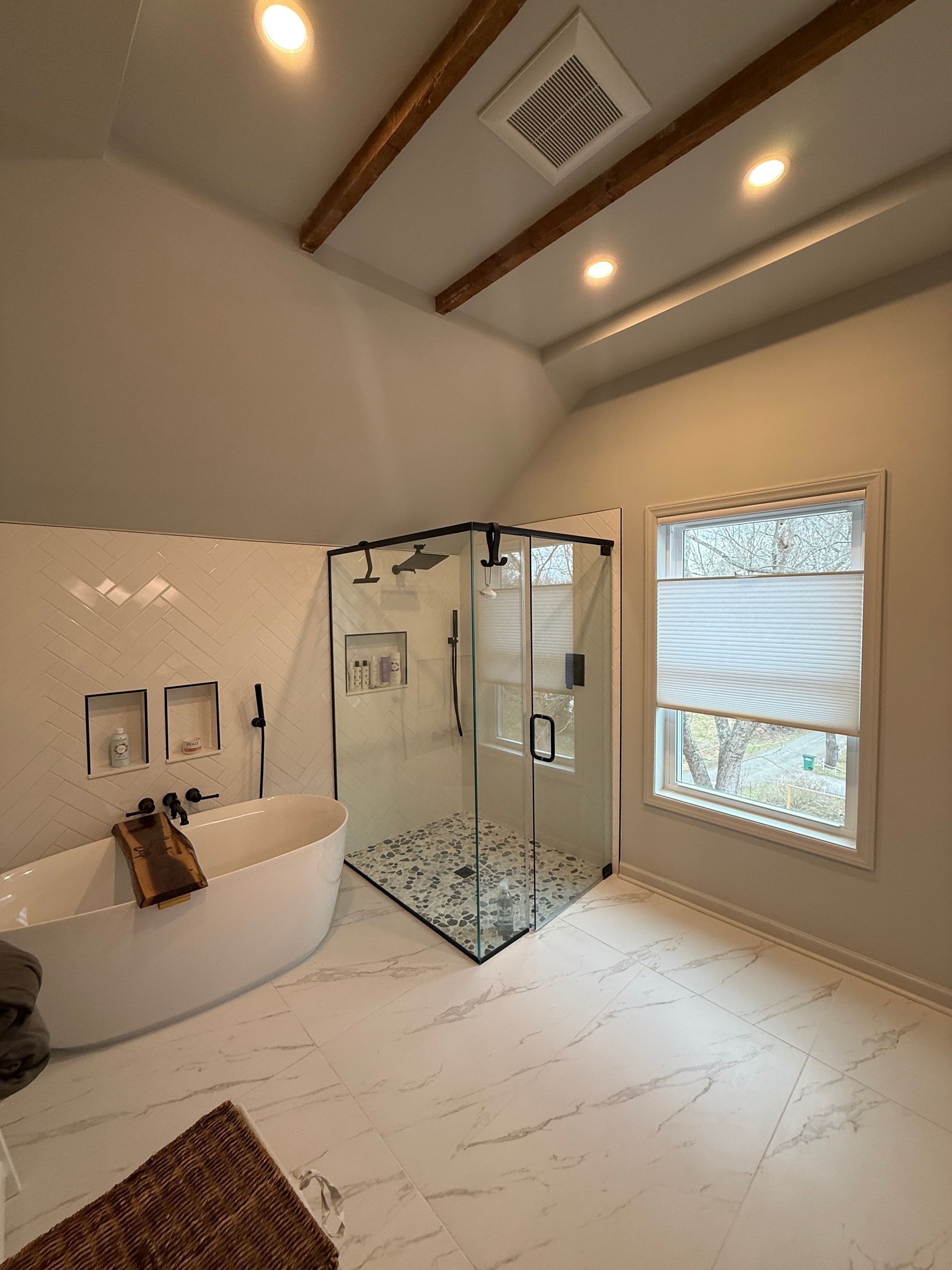
Cellular shades require a gentle touch due to their delicate honeycomb cell structure. The cells trap air for energy efficiency , but they can also trap dust, pet hair, and small debris inside if not maintained regularly. The good news is that regular light cleaning keeps them looking beautiful with minimal effort.
Weekly Dusting: Lower the shade fully and use the brush attachment on your vacuum cleaner set to the lowest suction setting. Vacuum gently in a side-to-side motion across the front of the shade, working from top to bottom. You can also use a can of compressed air to blow dust out of the honeycomb cells — this is especially effective for double-cell shades where dust can accumulate between the layers.
Spot Cleaning: For individual spots or stains, dampen a clean white cloth with lukewarm water and a tiny drop of mild dish soap. Gently blot (don't rub) the stained area. Rubbing can push the stain deeper into the fabric and damage the pleated structure. Follow with a clean, damp cloth to remove soap residue, then allow to air dry completely.
Deep Cleaning: Fill your bathtub with lukewarm (never hot) water and add a small amount of gentle laundry detergent. Remove the shades from the window and immerse them in the water. Let them soak for about 15 minutes, gently swishing them a few times. Do not scrub or wring. Rinse with clean lukewarm water, then hang to drip dry. Never put cellular shades in a washing machine or dryer — the agitation and heat will destroy the honeycomb structure permanently.
For homeowners in Fletcher , Arden , and throughout the region, North Carolina's pollen season can be particularly harsh on cellular shades. During heavy pollen months (March through May), we recommend vacuuming cellular shades twice weekly to prevent yellow pollen buildup that becomes progressively harder to remove.
4. How to Clean Roller Shades
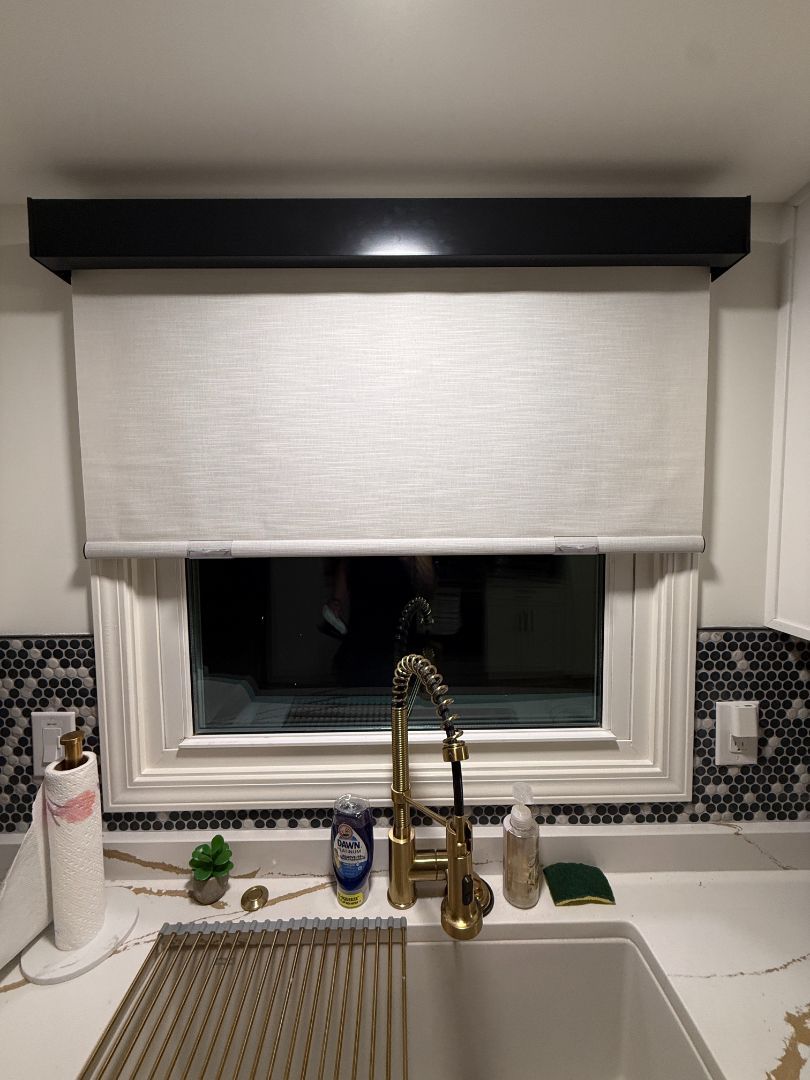
Roller shades are one of the simplest window treatments to clean thanks to their flat, smooth surface. The cleaning method depends on the fabric type — vinyl/PVC coated fabrics can handle more moisture, while woven fabrics require gentler care.
Weekly Dusting: Unroll the shade fully and wipe it down with a dry microfiber cloth or use a lint roller for quick dust removal. For vinyl or PVC-coated roller shades, you can dampen the cloth slightly for more effective dust pickup. Work from top to bottom in straight, even strokes.
Spot Cleaning Vinyl/PVC Roller Shades: Mix warm water with a few drops of mild dish soap. Dampen a soft cloth with the solution and wipe the stained area. For tougher stains like cooking grease (common on kitchen roller shades ), a 50/50 water-vinegar solution works well. Rinse with a clean damp cloth and allow to air dry before rolling up.
Spot Cleaning Fabric Roller Shades: Use a clean white cloth dampened with lukewarm water only. Blot gently — don't rub, as this can spread the stain and damage the weave. For stubborn stains, try a fabric-safe stain remover on an inconspicuous area first. Never use bleach or harsh chemicals on fabric roller shades.
Solar Screen Roller Shades: These specialty fabrics are designed to be durable and can usually be wiped clean with a damp cloth and mild soap. Their open-weave construction makes them resistant to dust buildup, which is one of the reasons they're so popular for home offices and kitchens across Asheville and Sylva.
5. How to Clean Woven Wood Shades
Woven wood shades are made from natural materials like bamboo, jute, reed, and grasses, which gives them their beautiful organic texture but also means they require specific care. The natural fibers can be damaged by excessive moisture and harsh chemicals.
Weekly Dusting: Use the brush attachment on your vacuum at the lowest suction setting, or a feather duster. Work gently across the surface of the shade, following the direction of the weave. Be careful not to snag any loose fibers with the vacuum attachment.
Spot Cleaning: Use a barely damp cloth to gently blot any spots or stains. Never saturate woven wood shades with water — the natural fibers can swell, warp, or develop mold if they absorb too much moisture. For sticky spots, try using a dry cloth first, then move to a slightly damp cloth only if necessary.
What NOT to do: Never submerge woven wood shades in water. Never use chemical cleaners, bleach, or ammonia-based products. Avoid placing woven wood shades in high-humidity areas without adequate ventilation. If you love the look of woven wood in bathrooms or kitchens, consider placing them on windows away from direct water sources and pairing them with proper ventilation.
Our customers in Burnsville , Cullowhee , and the mountain communities especially love woven wood shades for their natural aesthetic. Regular light dusting is the best maintenance practice — it keeps these beautiful shades looking fresh while preserving their organic character.
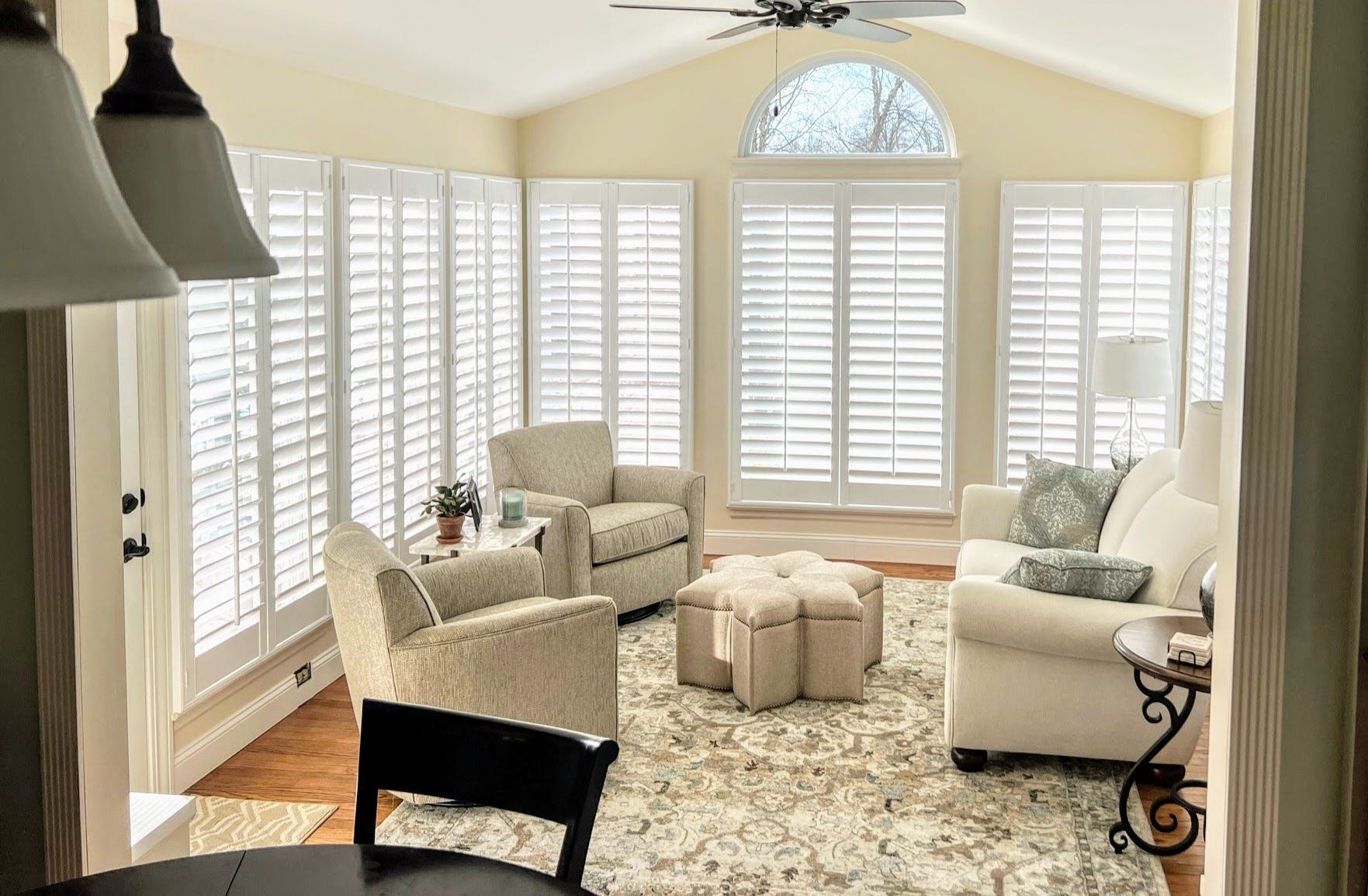
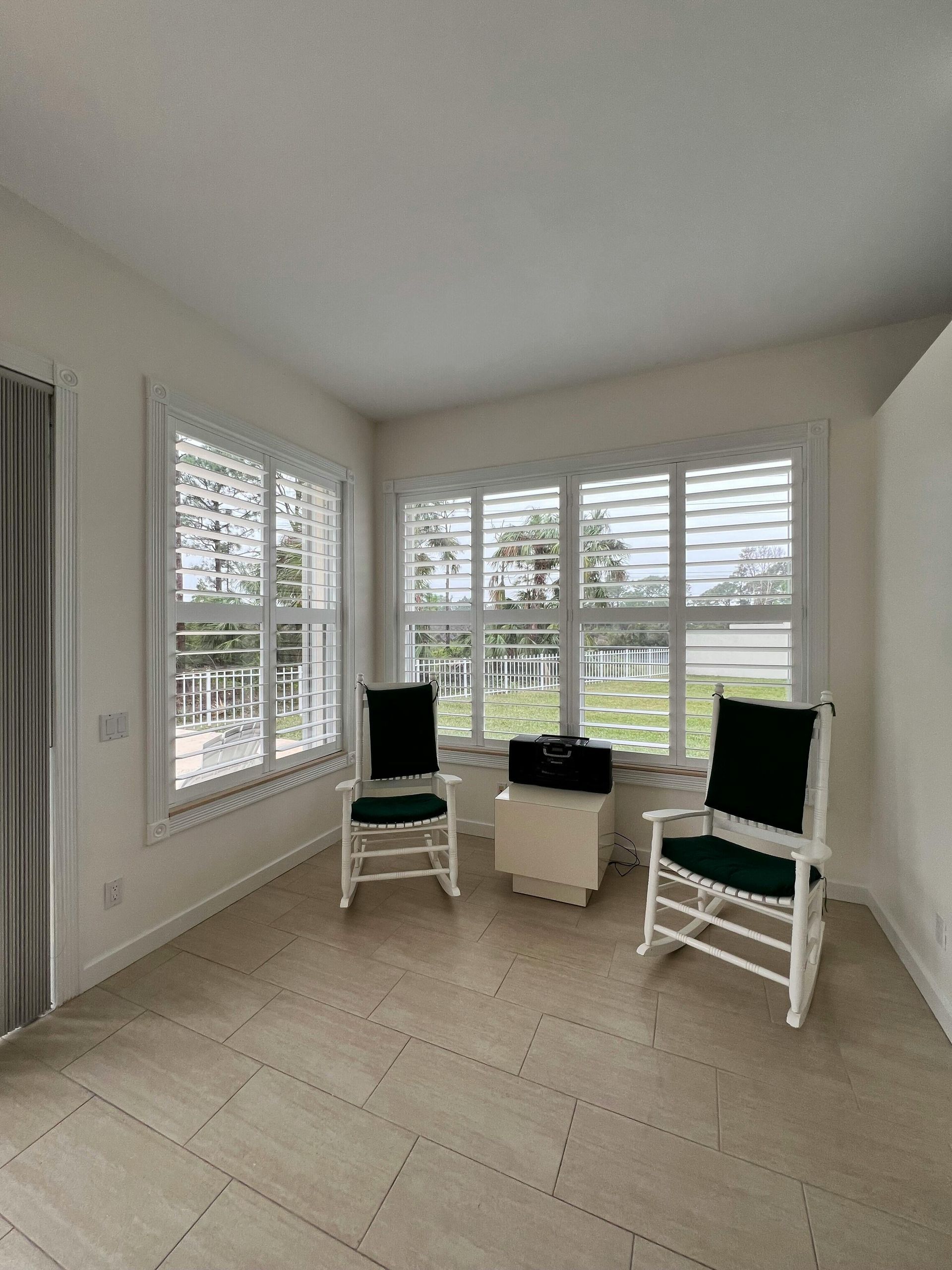
6. How to Clean Plantation Shutters
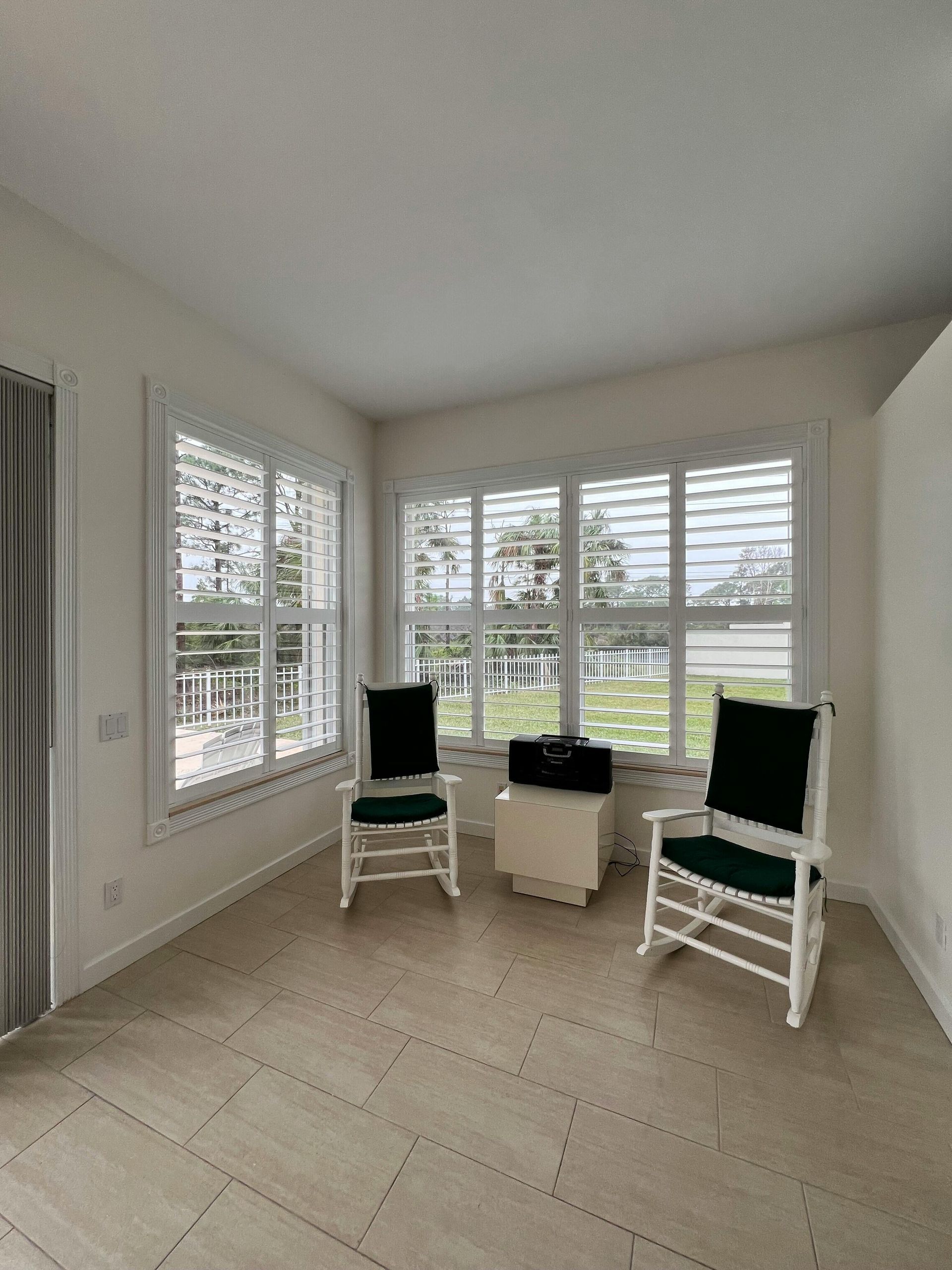
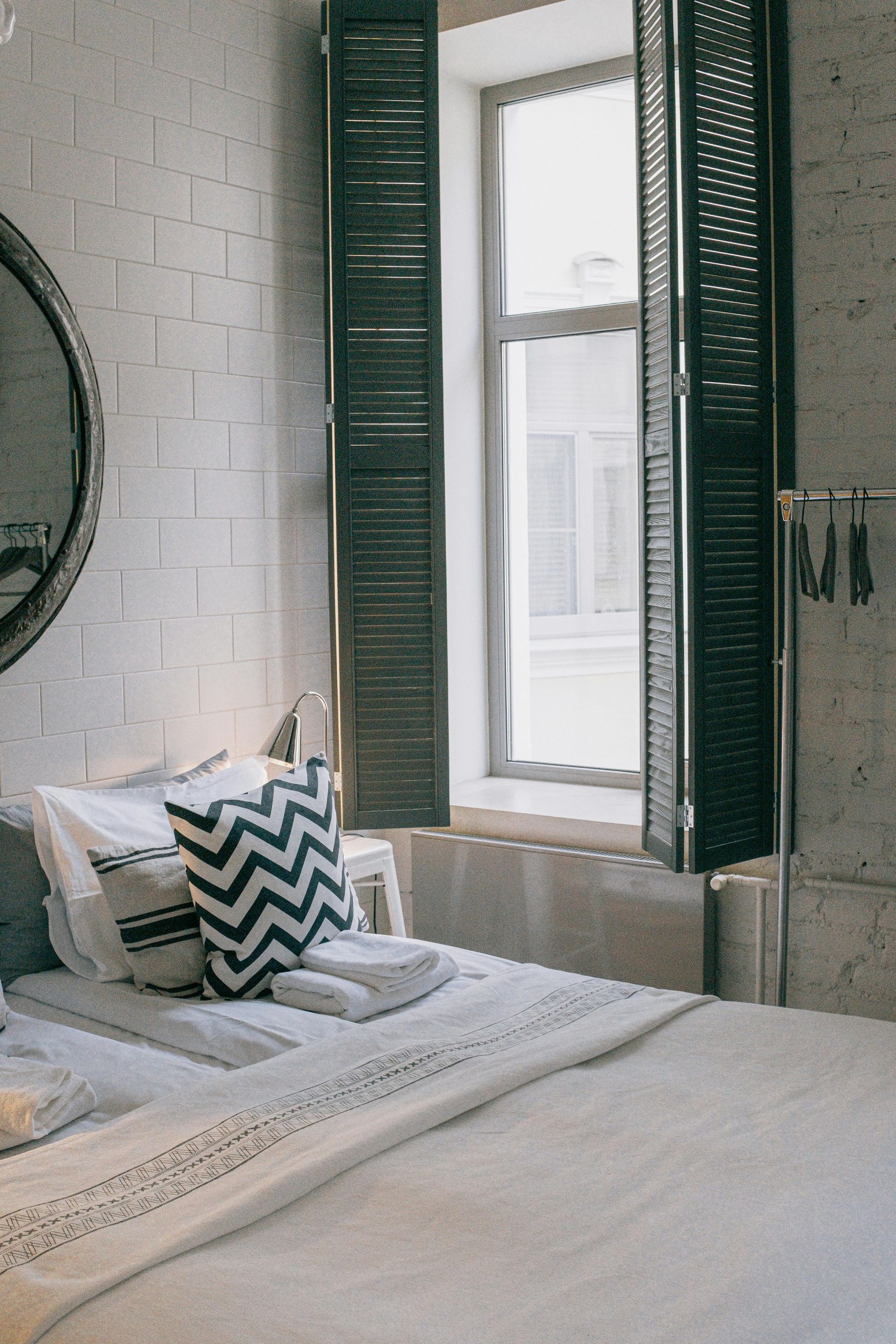
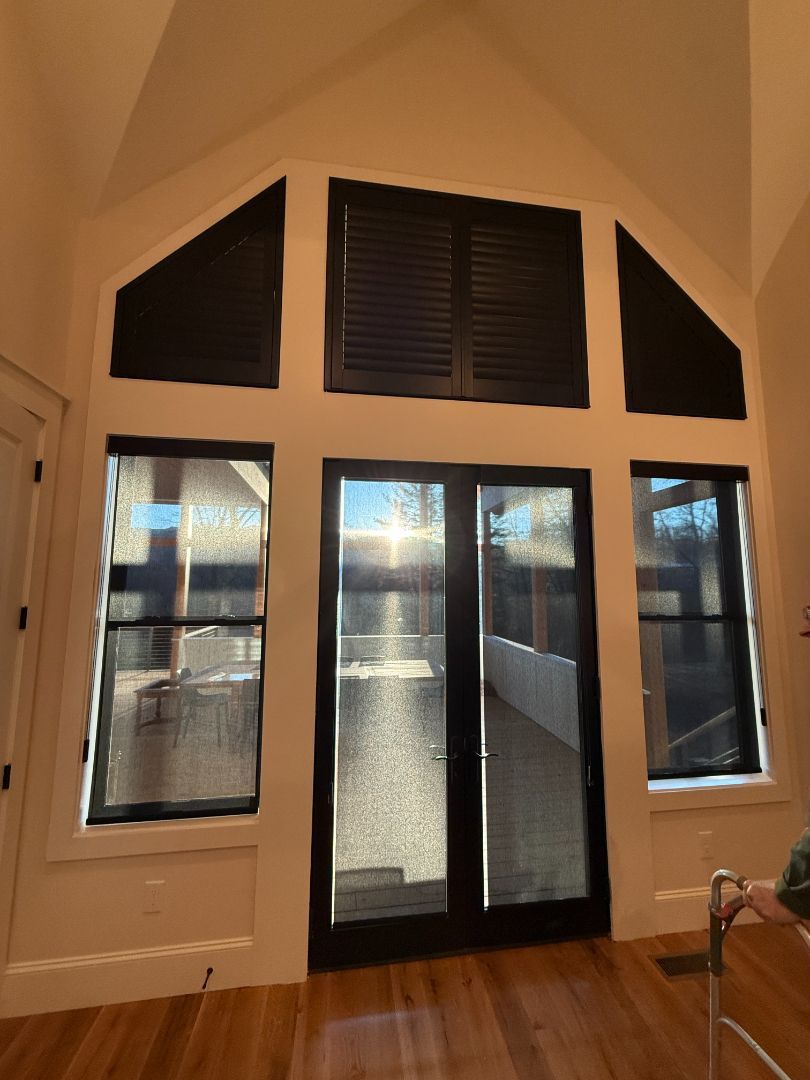
Plantation shutters are among the most durable and easiest-to-clean window treatments available, which partly explains their 20+ year lifespan and strong impact on home value. Whether yours are made from real wood or composite materials, the cleaning process is straightforward.
Weekly Dusting: Open the louvers to a flat position and dust each one with a microfiber cloth, feather duster, or vacuum brush attachment. Then flip the louvers to the opposite direction and repeat. Don't forget to dust the frame, stiles (vertical side pieces), and the top rail — these areas accumulate dust that often gets overlooked.
Monthly Cleaning: For composite/faux wood shutters, wipe each louver with a cloth dampened with warm, soapy water. These shutters handle moisture beautifully and won't warp or discolor. For real wood shutters, use a slightly damp cloth (wring it out thoroughly) and dry each louver immediately after wiping. Follow with wood polish every few months to maintain the finish.
Deep Cleaning: For heavily soiled shutters (common in kitchens and children's rooms), mix warm water with a small amount of mild dish soap. Use a soft cloth to wipe each louver, rinsing the cloth frequently in clean water. For composite shutters, you can be more generous with water. For wood shutters, keep the cloth barely damp and dry immediately. Clean the frame and hardware with the same solution, and use a cotton swab to reach any grime in hinges or tight corners.
7. How to Clean Dual Shades and Panel Track Shades
Dual shades combine sheer and opaque fabrics in a single treatment, which means they require gentle care to avoid damaging the delicate sheer sections. Regular light dusting with a feather duster or dry microfiber cloth keeps them looking fresh. For spots on the sheer fabric, use a barely damp white cloth and blot gently — never rub, as this can stretch or distort the sheer material. The opaque sections can handle slightly more moisture but should still be treated gently.
Panel track shades are cleaned similarly to roller shades since they use similar fabric constructions. Vacuum the fabric panels gently with a brush attachment, or use a lint roller for quick maintenance. For spot cleaning, dampen a cloth with lukewarm water and mild soap, blot the stained area, and allow to air dry. If you have panel tracks on a sliding glass door, check out our guide on sliding glass door window treatments for more maintenance tips specific to high-traffic areas.
8. How to Clean Exterior Patio Shades
Exterior patio shades face the toughest conditions of any window treatment — direct sun, rain, wind, pollen, dirt, and insects. Fortunately, they're designed to handle it. Most exterior shades are made from UV-resistant, weather-treated fabrics that clean up easily.
Monthly Cleaning: Roll the shades down fully. Spray them with a garden hose from the top down to rinse off loose dirt, pollen, and debris. For stubborn grime, mix a gentle outdoor fabric cleaner or mild dish soap with warm water, apply with a soft-bristle brush, and scrub gently in circular motions. Rinse thoroughly with clean water and allow to air dry completely before rolling up.
Seasonal Deep Cleaning: At the beginning and end of each outdoor season, give your exterior shades a thorough cleaning. Check for any mold or mildew spots (common in North Carolina's humid climate) and treat with a solution of one cup white vinegar per gallon of water. Apply with a spray bottle, let sit for 10 minutes, scrub gently, and rinse thoroughly. This is especially important for homes in Elkin , Hamptonville , and Jonesville where the Yadkin Valley humidity can promote mildew growth.
9. Common Window Treatment Cleaning Mistakes
Mistake #1: Using too much water on the wrong materials. This is the most common mistake we see. Water damages real wood blinds, saturates cellular shade fabrics, and can cause woven wood shades to warp and develop mold. Always match your cleaning method to the specific material of your window treatment.
Mistake #2: Using harsh chemical cleaners. Bleach, ammonia, and abrasive cleaners can strip finishes, discolor fabrics, and weaken materials. Stick to mild dish soap and warm water for most cleaning tasks. White vinegar diluted with water is your strongest recommended cleaning solution for most window treatment materials.
Mistake #3: Rubbing stains on fabric shades. Rubbing pushes stains deeper into fabric fibers and can damage the texture of cellular shades, roller shades, and woven materials. Always blot stains with a clean white cloth instead. The white cloth ensures you can see what you're picking up and prevents dye transfer from colored rags.
Mistake #4: Skipping regular dusting. Light dust becomes sticky grime over time, especially in kitchens and near fireplaces. A quick weekly dusting takes two minutes per window but prevents the need for aggressive deep cleaning that can damage window treatments. Think of it like brushing your teeth — regular light maintenance prevents the need for heavy intervention later.
Mistake #5: Not cleaning the headrail and hardware. Dust and grime accumulate on headrails, brackets, and mechanisms just like they do on the blinds or shades themselves. Include these components in your regular cleaning routine to keep everything operating smoothly and looking sharp.
10. When to Clean vs. When to Replace
Even with perfect maintenance, window treatments don't last forever. Here are the signs it's time to stop cleaning and start shopping for replacements:
Replace when: Blinds have broken, cracked, or permanently bent slats that can't be straightened. Fabric shades have persistent stains that won't respond to cleaning, visible sun damage (fading, brittleness), or fraying edges. Wood blinds show signs of warping, splitting, or finish failure. Mechanisms are stiff, jerky, or don't hold position properly. The style looks dated and no amount of cleaning will update the aesthetic.
General lifespan expectations: Vinyl mini blinds last 3-5 years. Fabric roller shades and cellular shades last 7-12 years. Faux wood blinds last 10-15 years. Real wood blinds last 10-20 years with proper care. Plantation shutters last 20-25+ years, making them the longest-lasting window treatment investment.
If your window treatments are past their prime, schedule a free consultation with Love is Blinds. We'll help you choose replacements that fit your style, budget, and maintenance preferences. With motorized options and remote-controlled treatments available, upgrading your window treatments can also mean upgrading your daily convenience.
Your Window Treatment Cleaning Schedule
Here's a simple maintenance calendar to keep all your window treatments looking their best:
Weekly: Quick dust all blinds, shades, and shutters with a microfiber cloth or vacuum brush attachment. This is the single most important maintenance task and takes just a few minutes for an entire home.
Monthly: Wipe down faux wood blinds and plantation shutters with a damp cloth. Spot-clean any visible marks on shades. Clean headrails and hardware.
Quarterly: Deep clean kitchen and bathroom window treatments where grease and moisture exposure is highest. Inspect all mechanisms for smooth operation. Check for any damage that needs professional attention.
Annually: Deep clean all window treatments throughout the home. Assess overall condition and note any that may need replacement in the coming year. This is also a great time to schedule a professional assessment — our team at Love is Blinds can inspect your window treatments and provide care recommendations specific to the products you own.
Frequently Asked Questions
What is the fastest way to clean blinds?
The fastest method is using a microfiber duster or the brush attachment on your vacuum. Close the slats flat, dust from top to bottom, flip the slats, and repeat. For a thorough but fast clean on faux wood blinds
, pull on a clean cotton sock like a glove, spray it lightly with a water-vinegar mix, and pinch each slat as you slide along — cleaning top and bottom simultaneously in one motion.
Can I put blinds in the dishwasher?
No. Never put any type of blinds in the dishwasher. The heat, water pressure, and detergent will damage the finish, warp the slats, and potentially break the connecting cords or tapes. Faux wood blinds
can be soaked in a bathtub with mild soap, but that's the most aggressive cleaning method we recommend.
How do I clean yellowed white blinds?
White blinds yellow from UV exposure and is usually permanent in the material itself. For surface yellowing on faux wood blinds, try a paste of baking soda and water applied with a soft cloth, left for 10 minutes, then wiped away. A diluted bleach solution (one tablespoon per gallon of water) may help on vinyl blinds but test an inconspicuous area first. If the yellowing is severe, replacement may be the most practical solution — schedule a free consultation
to explore your options.
How often should I clean my blinds?
Dust weekly, wipe down monthly, and deep clean quarterly for kitchen and bathroom blinds or annually for other rooms. This schedule prevents dust and grime buildup while extending the life of your window treatments significantly.
Can I steam clean window blinds?
Steam cleaning can work on faux wood blinds
and composite plantation shutters
, but never use steam on real wood blinds
, cellular shades
, or woven wood shades. The heat and moisture combination can warp wood, collapse honeycomb cells, and damage natural fibers.
Need Help? We're Here for You
If your window treatments need more than cleaning — whether it's a repair, replacement, or a fresh start — Love is Blinds serves homeowners across all of Western North Carolina. From Asheville to Elkin , Hendersonville to Hamptonville , our team brings samples directly to your home for a free, no-pressure consultation. Browse our complete product collection or view all service areas.
Ready for a fresh look? Schedule your free consultation or call us: Asheville (828) 761-8845 | Hendersonville (828) 481-8806 | Waynesville (828) 436-6533 | Weaverville (828) 293-4988 | Elkin (336) 585-7363