
Curtains vs Blinds vs Shades: How to Choose
Curtains vs Blinds vs Shades: How to Choose
Every window covering serves a different purpose. Curtains bring decorative drama. Blinds deliver precision light control. Shades provide insulation and a clean, modern profile. The right choice depends on the room, the function you need, and how much natural light you want to manage throughout the day.
This guide compares all three so you can select the best window covering for each room in your home — or determine where a combination of two delivers the best result.
Blinds: Light Control and Durability
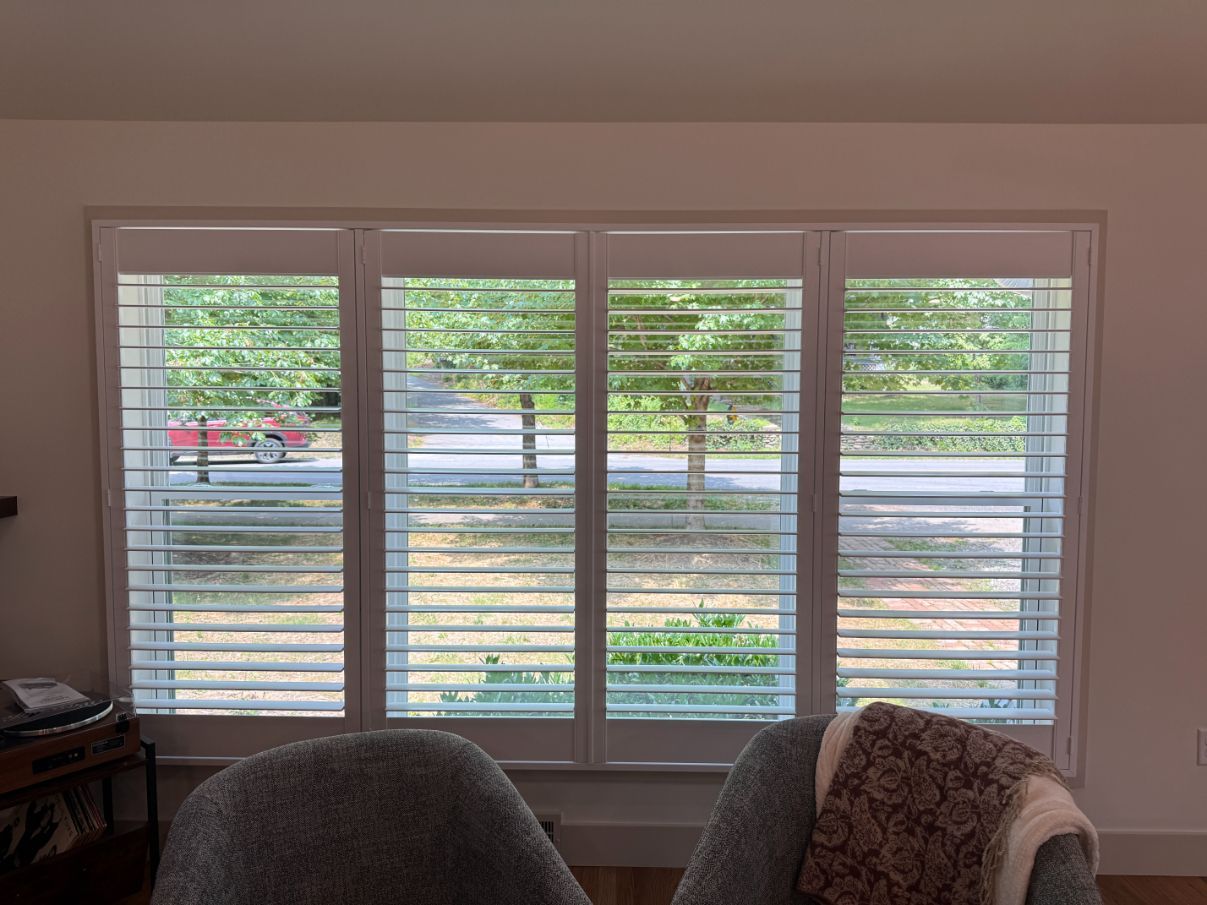
Custom blinds consist of individual slats — wood, faux wood, or aluminum — connected by a headrail with a tilt mechanism. Tilting the slats lets you control the exact amounts of light entering the room, from fully open to fully closed and every angle between. This precision makes blinds the strongest option for rooms where natural light changes throughout the day and you need to respond quickly.
Blinds perform best in kitchens, home offices, and bathrooms. Faux wood blinds resist humidity without warping, making them a dependable choice for moisture-prone spaces. In a home office, the ability to angle slats reduces screen glare while still allowing ambient natural light into the room. For daily operation, blinds are also the most durable window covering — a quality faux wood set handles years of regular use without significant wear.
Where blinds fall short is aesthetics. They provide clean lines and functional coverage, but they lack the softness and visual warmth that many homeowners want in living rooms and bedrooms. That gap is where shades and curtains step in.
Shades: Insulation and Softness
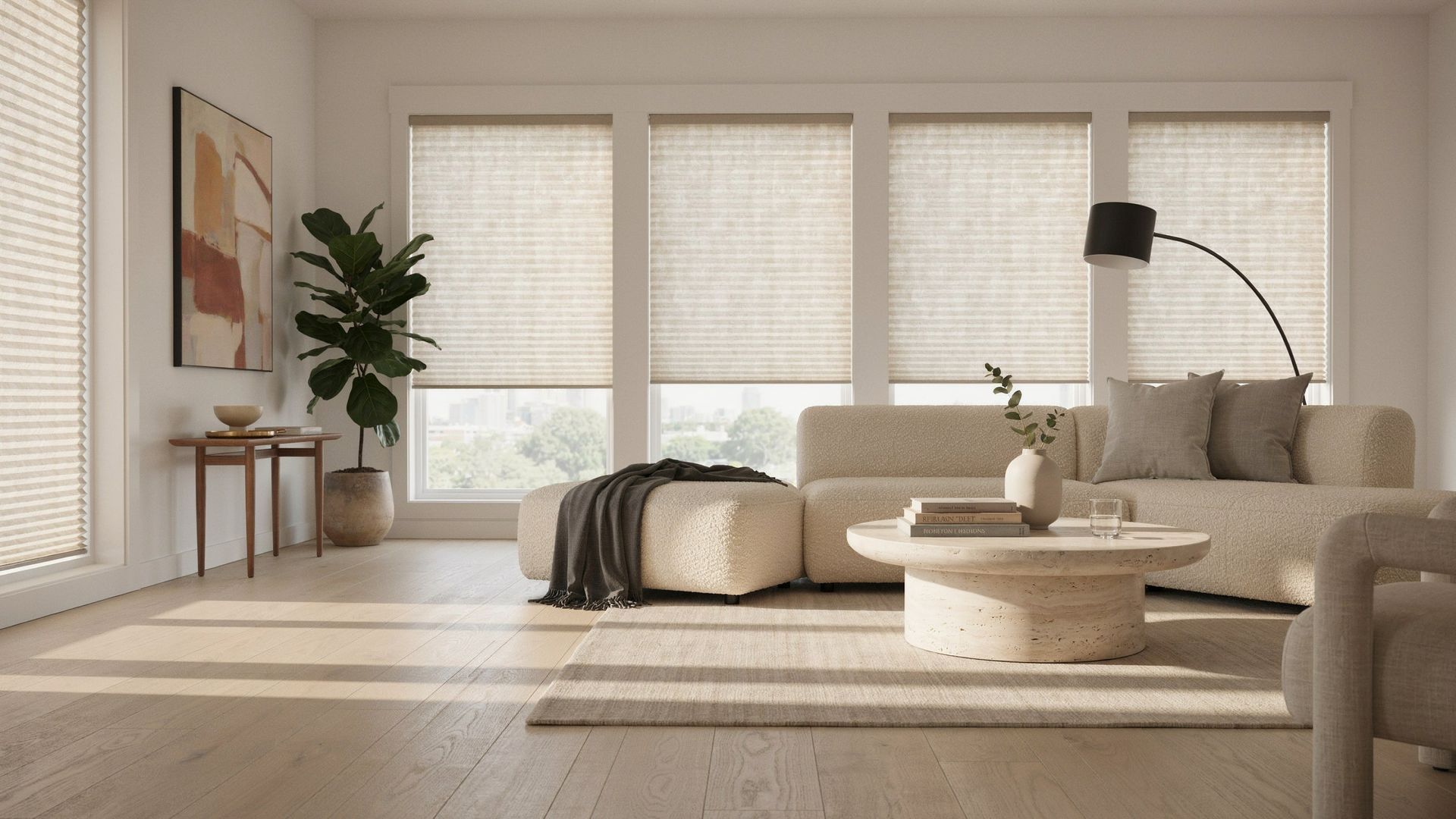
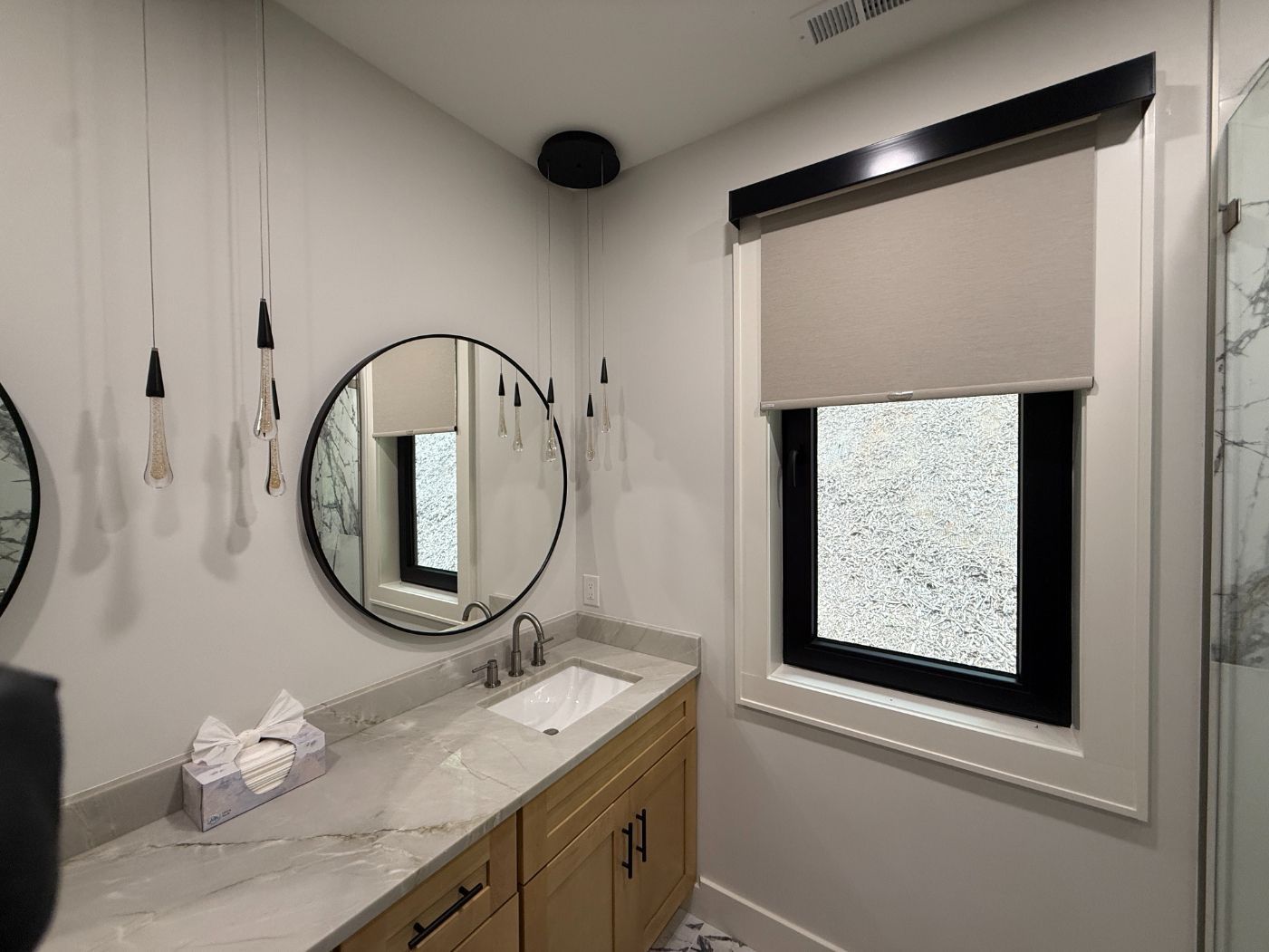
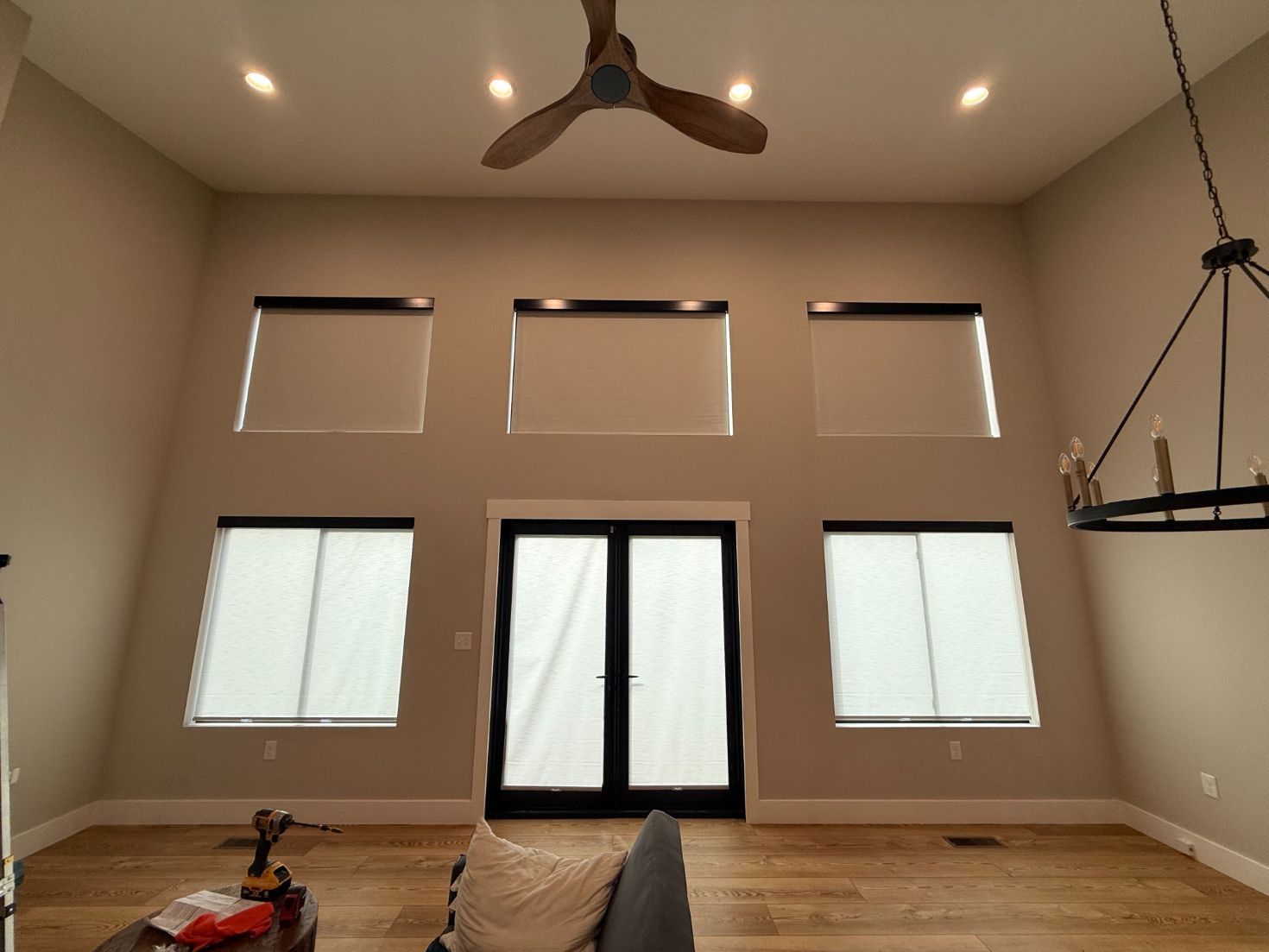
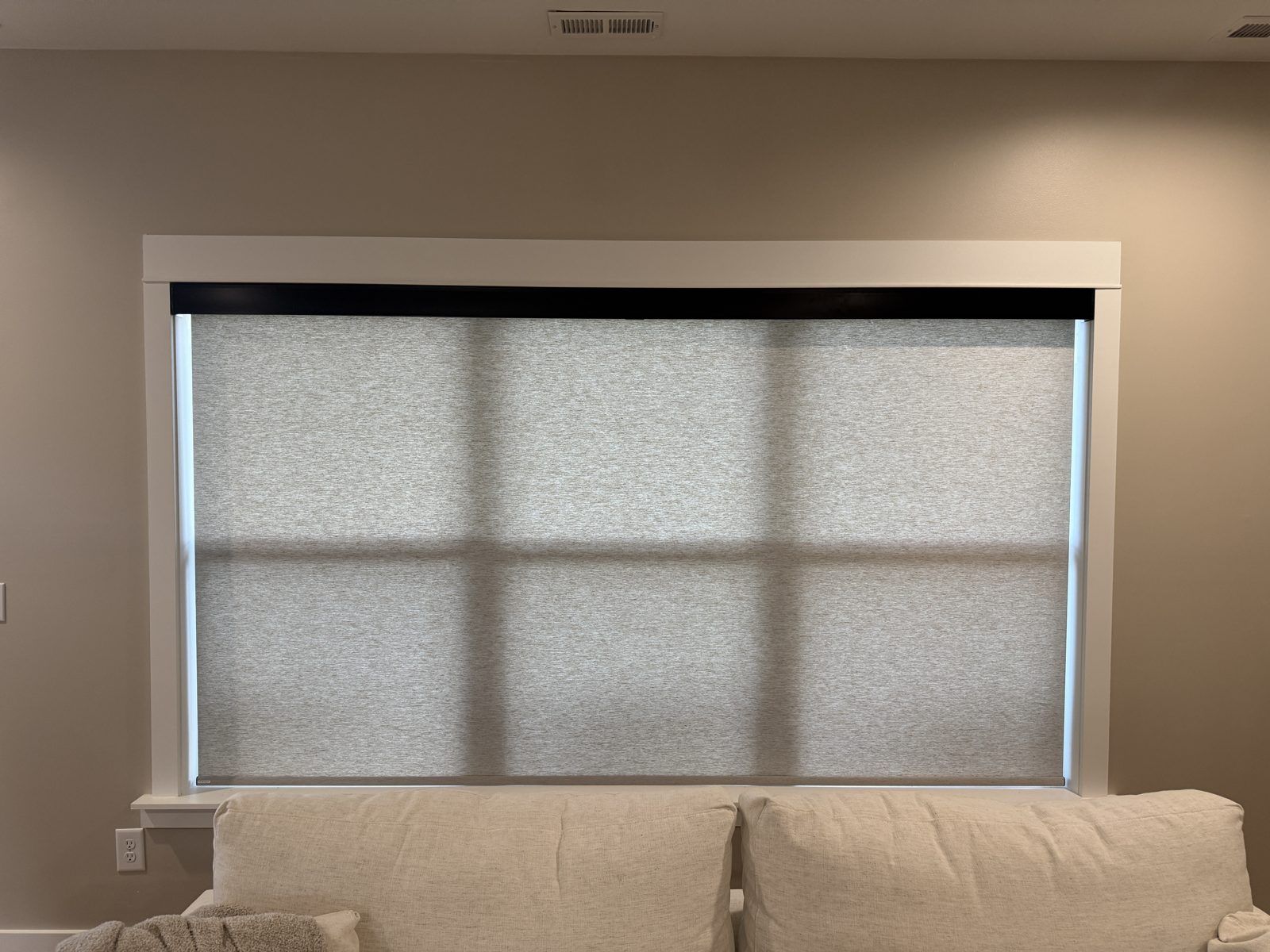
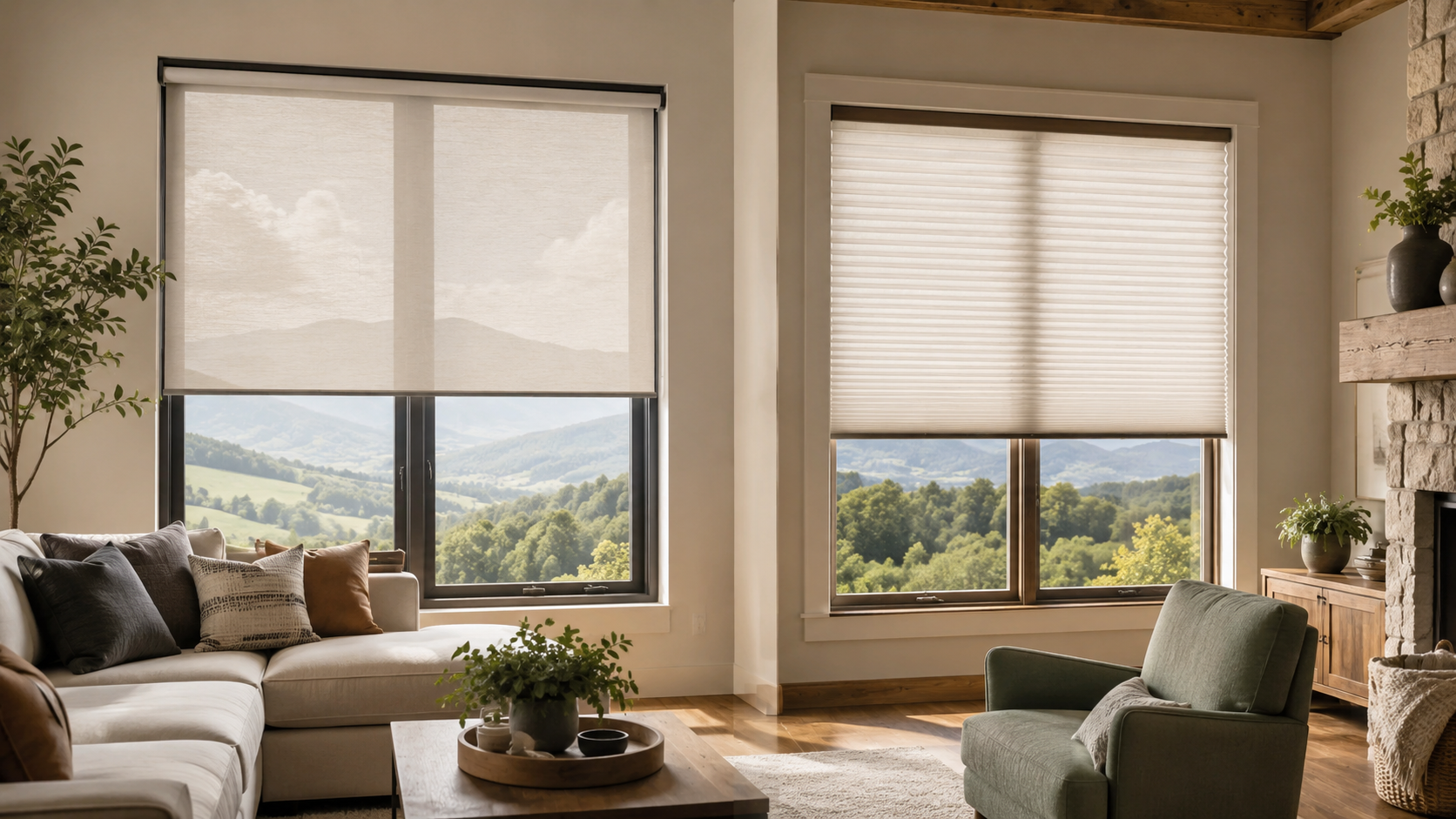
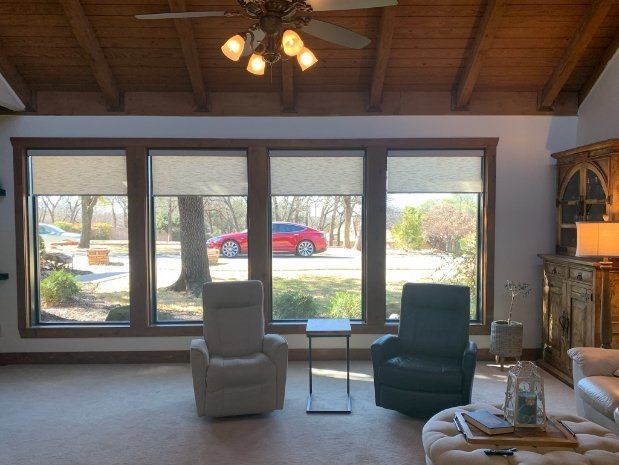
Shades are a single panel of fabric that covers the window without individual slats or gaps. Roller shades wrap around a tube for a minimal, contemporary look. Honeycomb (cellular) shades trap air in fabric pockets for maximum insulation. Roman shades fold into tailored pleats for a classic, structured appearance.
Among the three window covering categories, shades win on energy efficiency. Honeycomb shades reduce heat transfer by up to 40%, making them the most effective insulating treatment available. In Western North Carolina's mountain climate — where winters bring freezing temperatures and summers bring heat and humidity — that insulation lowers utility costs year-round. Shades also filter natural light more evenly than blinds. Light-filtering fabrics create a soft, diffused glow without the striped shadow patterns that slats produce.
Shades work well in bedrooms (blackout options for sleep quality), living rooms where a warm and furnished feel matters, and any room where you want to manage amounts of light without the mechanical look of slat-based products. Most modern shades are cordless, providing a clean profile and improved child safety.
Curtains: Drama and Decoration
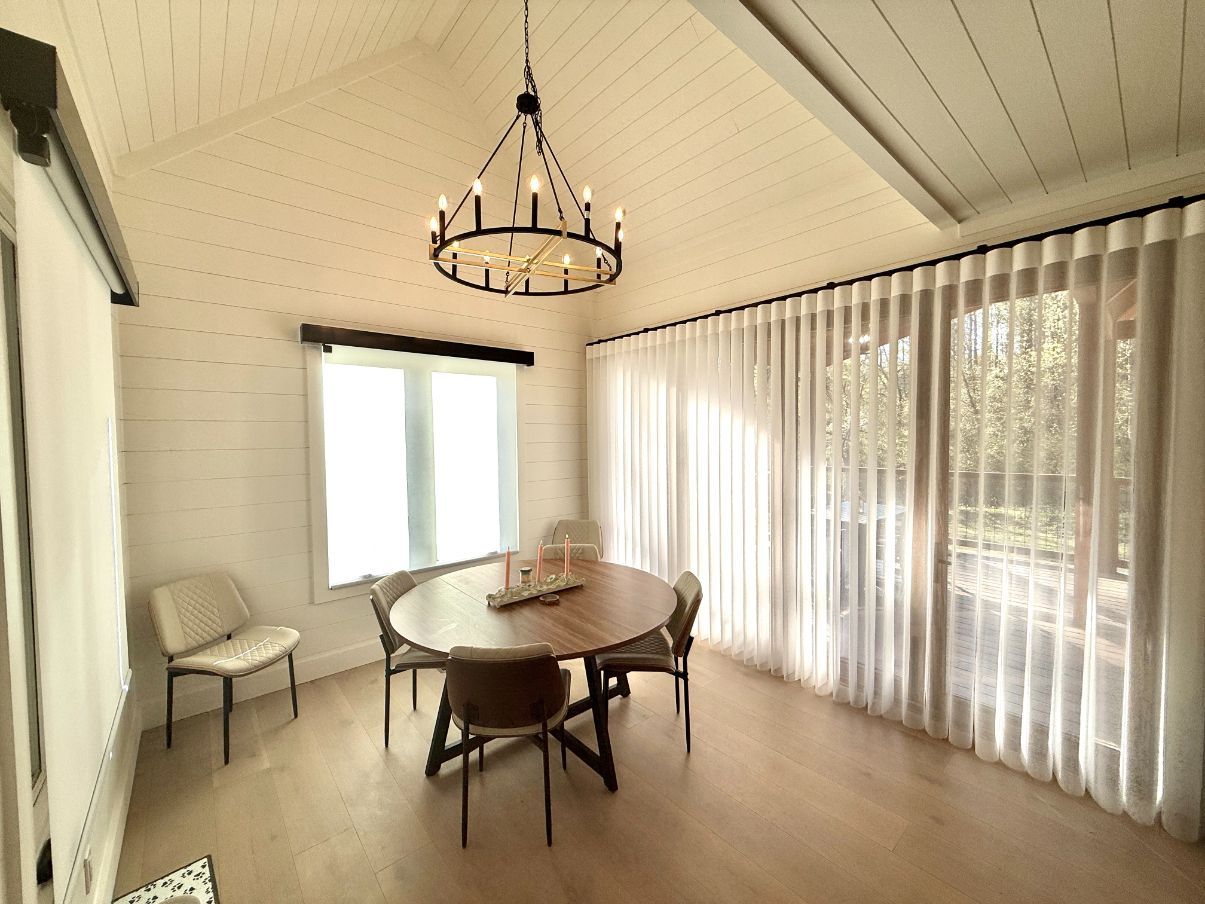
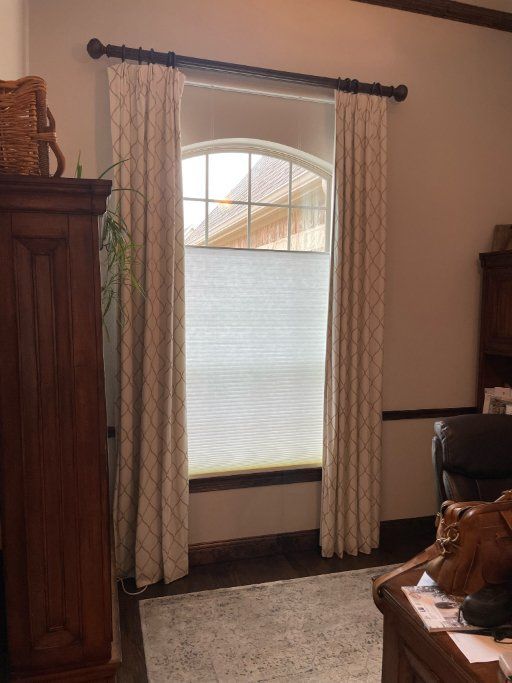
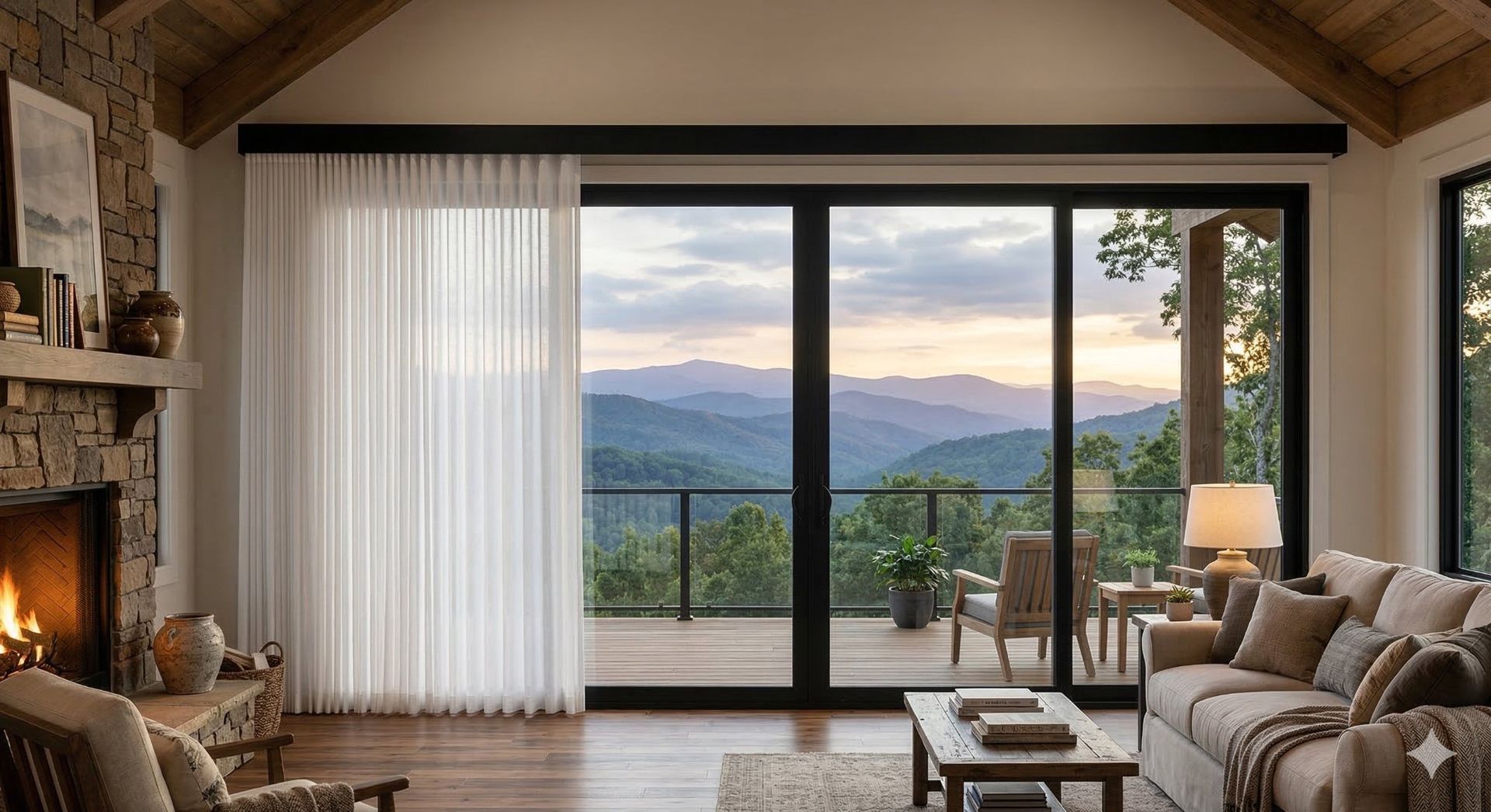
Curtains are fabric panels that hang from a rod above the window. They add height, color, texture, and visual weight to a room in ways that neither blinds nor shades can match. Floor-length curtains make ceilings appear taller. Bold patterns create focal points. Sheer panels soften harsh natural light while adding an elegant, airy layer to the space.
The trade-off is function. Curtains alone do not provide strong insulation (unless you invest in thermal-lined drapes), they collect dust and require regular cleaning, and they cannot offer the precise light control that blinds deliver. Curtains are also impractical in kitchens and bathrooms where moisture and proximity to heat sources create maintenance issues.
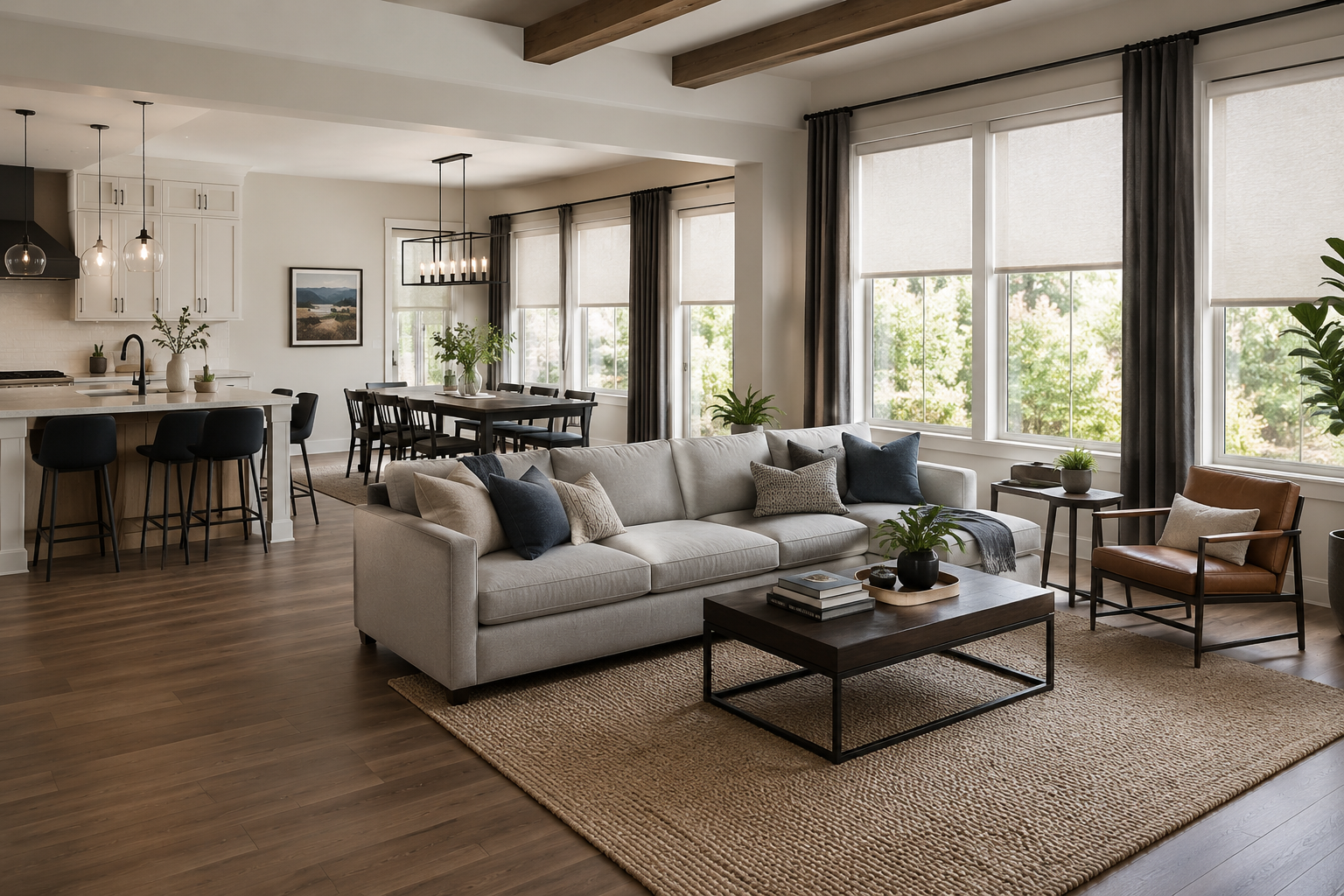
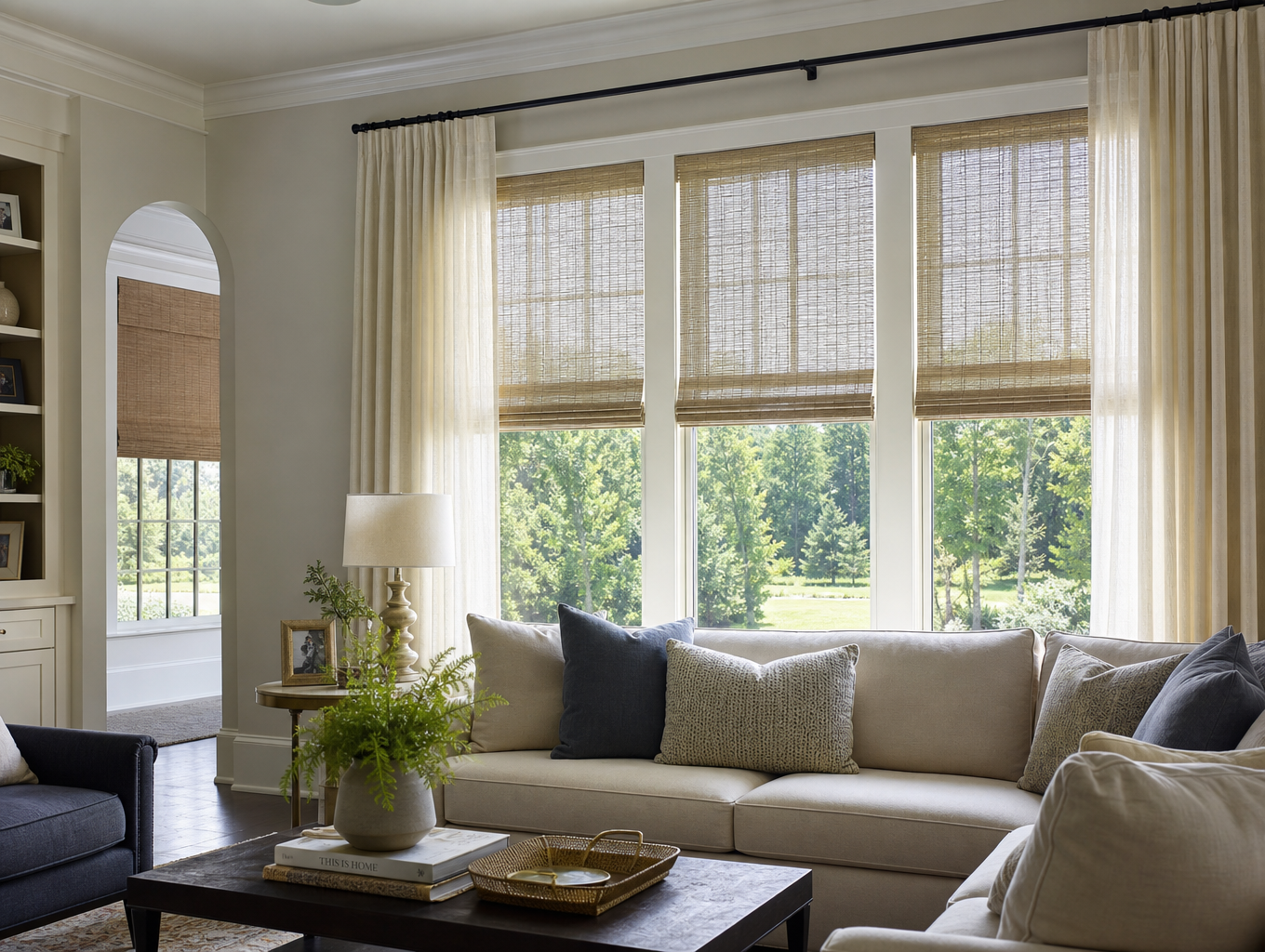
Where curtains truly excel is as a layering element. Pairing curtains with blinds or shades creates a designer-quality finish — the blinds or shades handle the practical work of managing amounts of light and privacy, while the curtains frame the window and add the decorative polish. This combination is one of the most effective ways to elevate a living room, dining room, or primary bedroom without a full renovation.
Room-by-Room Recommendations
Kitchen: Faux wood blinds or roller shades. Moisture-resistant, compact, and easy to maintain near countertops and stoves.
Bathroom: Faux wood blinds or composite plantation shutters. Humidity resistance is essential in this space.
Living room: Honeycomb or roller shades layered with curtain panels for the most polished result. Alternatively, plantation shutters for permanent architectural impact.
Primary bedroom: Blackout honeycomb shades for sleep quality and insulation. Add curtain panels for a layered, finished look.
Home office: Roller shades or blinds for managing screen glare and controlling the amounts of light reaching your workspace.
Dining room: Roman shades or plantation shutters, with optional curtain panels for formal occasions and entertaining.
The Layering Strategy
The most practical approach for most homes is combining window covering types rather than committing to one throughout the house. Use blinds or shades for functional coverage in every room, then add curtains in the two or three spaces where visual impact matters most. This approach puts your curtain budget where guests see it — living room, dining room, entryway — while every window still has proper light control, privacy, and insulation from the underlying blinds or shades.
For Asheville and Western NC mountain homes with vaulted ceilings and hard-to-reach windows, motorized shades in those high spaces paired with manual treatments in standard windows gives you full coverage without motorizing the entire house.
Frequently Asked Questions
Which is better: curtains, blinds, or shades?
It depends on the room. Blinds provide the best light control and durability for kitchens and bathrooms. Shades deliver superior insulation and a softer look for bedrooms and living rooms. Curtains add decorative impact and work best layered over blinds or shades for a polished finish.
Can you combine curtains with blinds or shades?
Yes, and it is one of the most effective approaches. Blinds or shades handle light control, privacy, and insulation while curtains add texture, color, and visual framing for a designer-quality finish.
Find the Right Combination for Your Home
Love Is Blinds brings samples of blinds, shades, and shutters directly to your home. We help you determine which window covering — or combination — works best for each room, in your own lighting, against your own walls.
Call (828) 532-2213 or visit our scheduling page to book your free in-home consultation.
Love Is Blinds - Custom Blinds, Shades, Shutters
184 Double R Farm Rd Suite #3 | Candler, NC 28715
By Appointment Only | Phone: (828) 532-2213