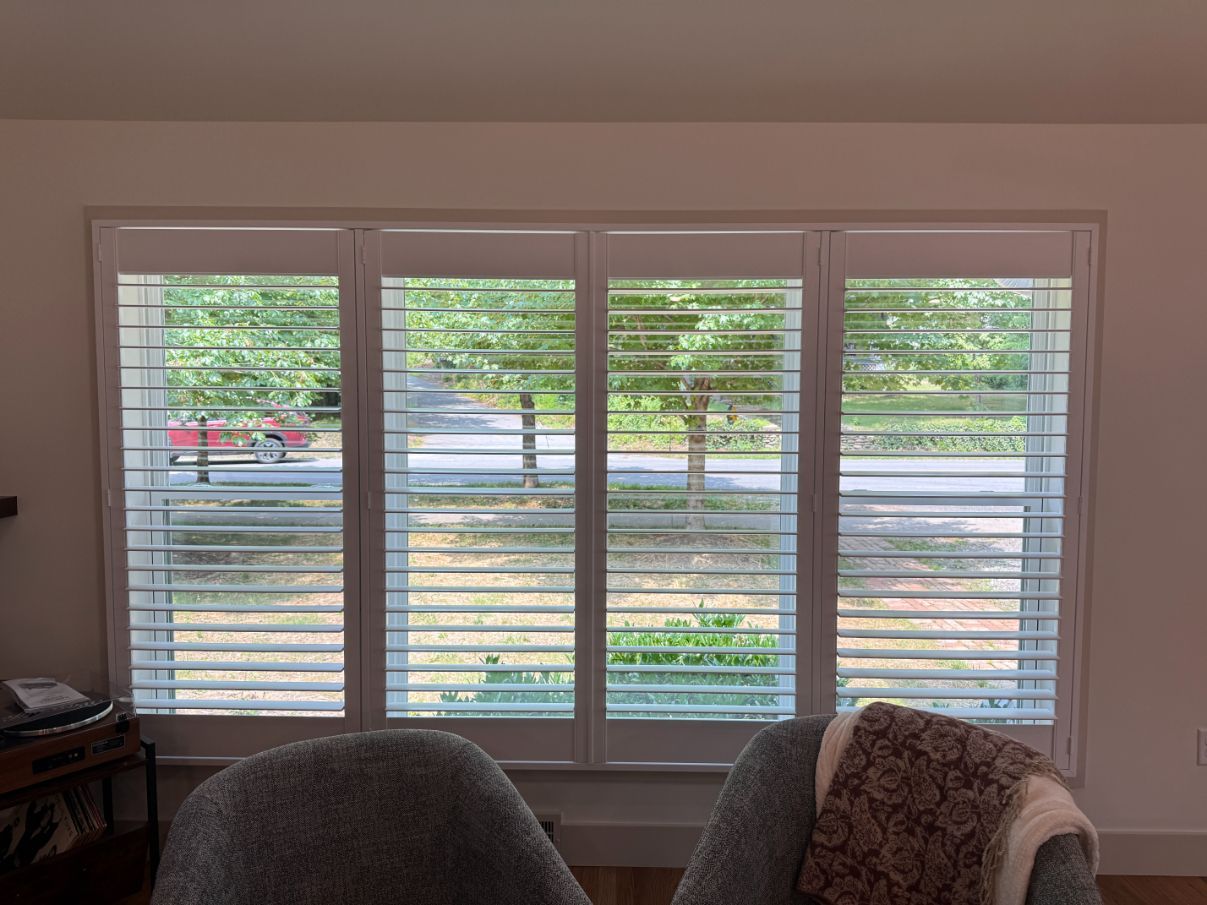

Shutters vs Blinds: Which Fits Your Asheville Home?
Plantation Shutters vs Blinds: Which Is Best for Asheville Homes?
Choosing between plantation shutters and custom blinds is one of the most common decisions Asheville homeowners face when upgrading their window coverings. Both control light and provide privacy. Both come in custom sizes. But they differ significantly in cost, durability, energy efficiency, and the value they add to your home.
This guide breaks down the key differences so you can choose the right window coverings for each room in your Asheville home.
Cost Comparison
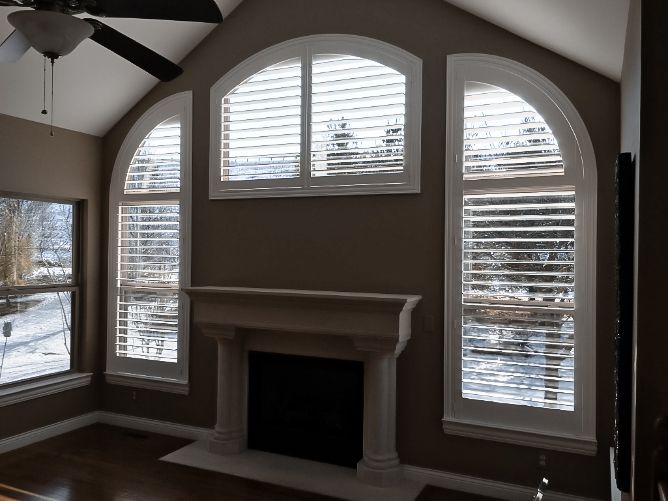
Custom blinds typically cost $50 to $200 per window depending on material and size. Faux wood blinds sit at the lower end; real wood blinds cost more. Plantation shutters range from $200 to $500 per window, with composite options on the lower end and premium hardwood at the top.
The upfront price difference is real. However, shutters last 20 to 30 years with minimal maintenance, while blinds typically need replacement every 5 to 10 years. Over a 20-year span, a homeowner who replaces blinds twice may spend more than the one-time shutter investment.
Durability and Maintenance
Blinds are lightweight slats suspended from a headrail. Daily use — tilting, raising, lowering — puts stress on cords, tilt mechanisms, and slat connections. Over time, slats bend, cords fray, and mechanisms jam. Faux wood blinds hold up better than vinyl or aluminum, but none match the structural integrity of shutters.
Plantation shutters are solid panels mounted to the window frame with hinges. No cords to break, no slats to bend, no mechanisms to fail. They're easy to clean — a damp cloth wipe removes dust and fingerprints. For families with children and pets, shutters are both more durable and safer due to their cordless design.
Light Control and Privacy
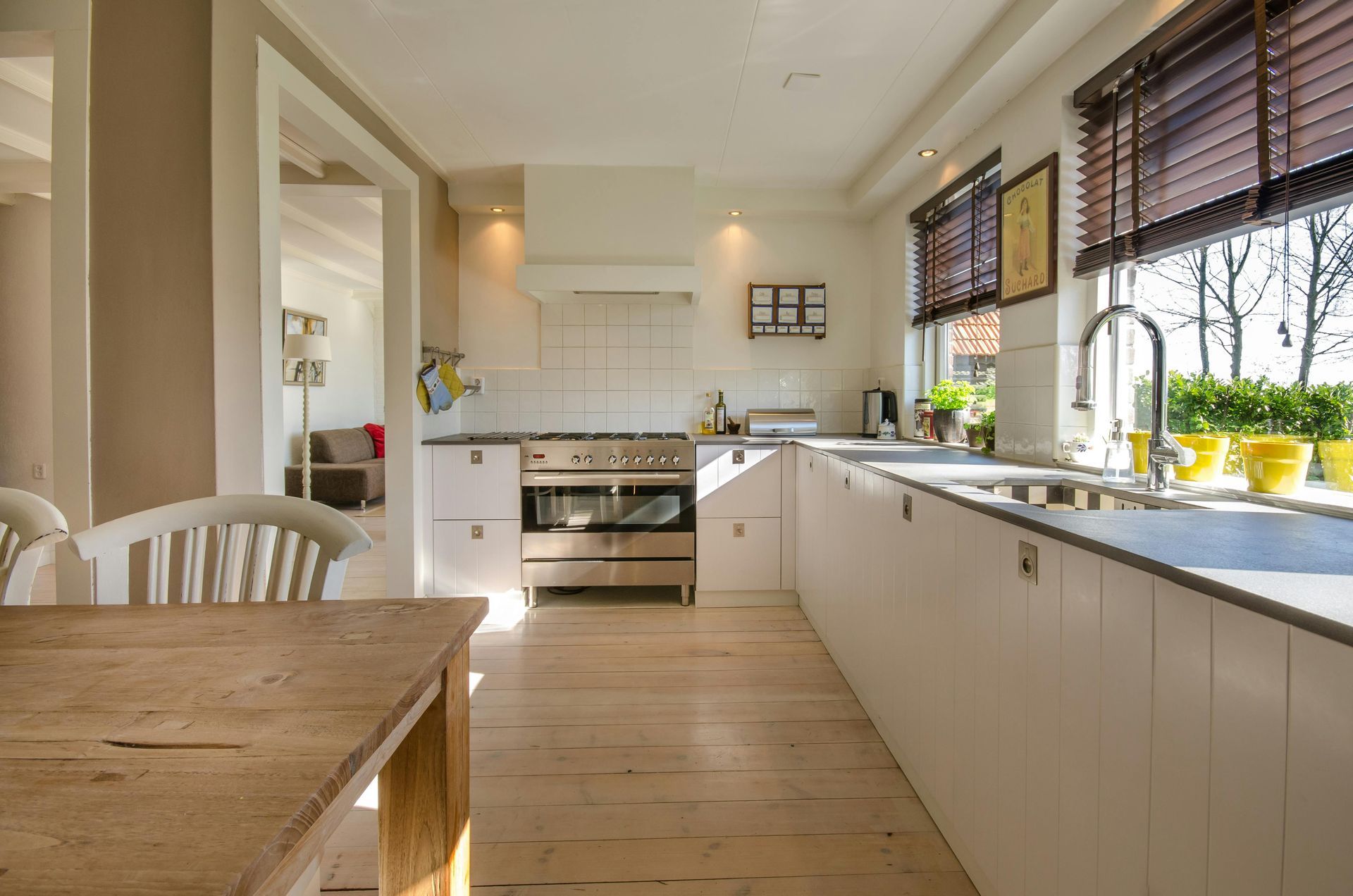
Both products offer adjustable light control, but the mechanisms differ. Blinds use narrow slats (typically 1 to 2 inches) that tilt to filter light. The gaps between slats allow some light leakage even when fully closed. Shutters use wider louvers (2.5 to 4.5 inches) with tighter closure tolerances, resulting in fewer gaps and more complete light blocking.
Shutters with divided panels (separate top and bottom tilt) provide an advantage blinds cannot match: you can block sightlines at eye level while allowing light from above. This is particularly useful for street-facing windows in Asheville neighborhoods like Montford and Kenilworth where privacy matters without sacrificing natural light.
Energy Efficiency in Mountain Climates
At Asheville's 2,100-foot elevation, windows are a primary source of heat loss in winter and heat gain in summer. Shutters create an insulating air pocket between the panel and the glass, reducing thermal transfer in both directions. This means lower heating bills in winter and reduced cooling costs during humid mountain summers.
Blinds provide some insulation when closed but cannot match the thermal barrier of solid shutter panels. For maximum efficiency, consider pairing blinds in secondary rooms with cellular shades or shutters in the main living areas where the largest windows drive the most energy loss.
Moisture Resistance
Kitchens, bathrooms, and laundry rooms require moisture resistant window coverings that will not warp or degrade. Faux wood blinds handle humidity well — they resist warping, cracking, and peeling, making them a reliable and affordable choice for wet areas. Composite plantation shutters offer the same moisture resistance with a more substantial, furniture-grade appearance.
Real wood blinds and real wood shutters should be reserved for dry living spaces. In Asheville's climate, where summer humidity can be significant, moisture resistant materials in wet rooms are essential for long-term performance.
Home Value and Curb Appeal
This is where shutters separate themselves entirely. Plantation shutters are one of the few window coverings that add measurable value to a home's appraisal. Real estate agents across Western North Carolina consistently report that homes with shutters photograph better, show better, and sell faster. Buyers perceive shutters as a permanent upgrade — comparable to hardwood floors or crown molding.
Blinds, while functional and attractive, are viewed as removable accessories. They do not typically factor into a home's appraised value. For Asheville homeowners planning to sell within the next several years, shutters in the main living areas can offer meaningful return on investment.
Room-by-Room Recommendations
Living room and dining room: Plantation shutters. Maximum visual impact, architectural presence, and home value.
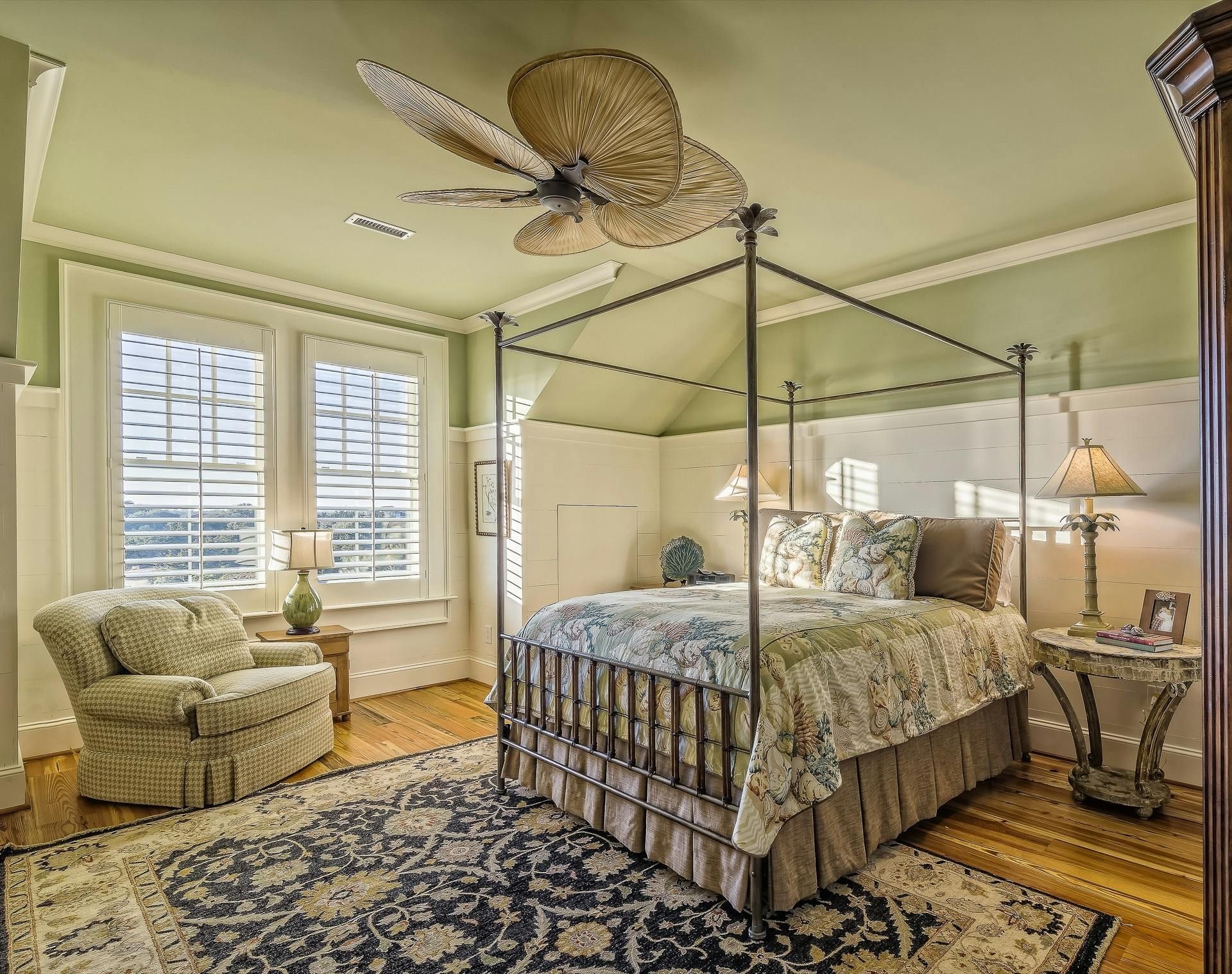
Primary bedroom: Shutters for a premium, permanent look. Pair with blackout roller shades behind them for total darkness when needed.
Kitchen: Faux wood blinds or composite shutters. Both are moisture resistant and easy to clean. Blinds offer a more compact profile near countertops and stoves.
Bathroom: Faux wood blinds for budget-conscious moisture resistance. Composite shutters for a more polished finish.
Home office: Blinds for precise glare control on screens, or shutters with divided panels for flexible light management throughout the day.
Children's rooms: Shutters. Cordless operation is the safest option, and the durable construction withstands years of use without damage.
The Mixed Approach
Many Asheville homeowners choose not to go all-shutters or all-blinds. The most cost-effective strategy is placing shutters in the rooms guests see first — living room, dining room, entryway — and using quality blinds or honeycomb shades in bedrooms, bathrooms, and secondary spaces. This delivers the visual impact and value of shutters where it matters most, while keeping the total project within budget.
Frequently Asked Questions
Are plantation shutters better than blinds?
Shutters outperform blinds in durability, insulation, home value, and longevity. Blinds cost less upfront and offer strong light control for kitchens and bathrooms. The best choice depends on your budget, room function, and whether you prioritize long-term value or lower initial cost.
How much more do shutters cost than blinds in Asheville?
Shutters typically cost $200 to $500 per window; custom blinds range from $50 to $200. Shutters cost more upfront but last 20-30 years compared to 5-10 for blinds, often making them the better long-term investment.
See Both Options in Your Home
Love Is Blinds brings Norman shutter samples and custom blind options directly to your Asheville home. Compare materials, finishes, and louver sizes in your own light — then decide with confidence.
Call (828) 532-2213 or visit our scheduling page to book your free in-home consultation.
Love Is Blinds - Custom Blinds, Shades, Shutters
184 Double R Farm Rd Suite #3 | Candler, NC 28715
By Appointment Only | Phone: (828) 532-2213