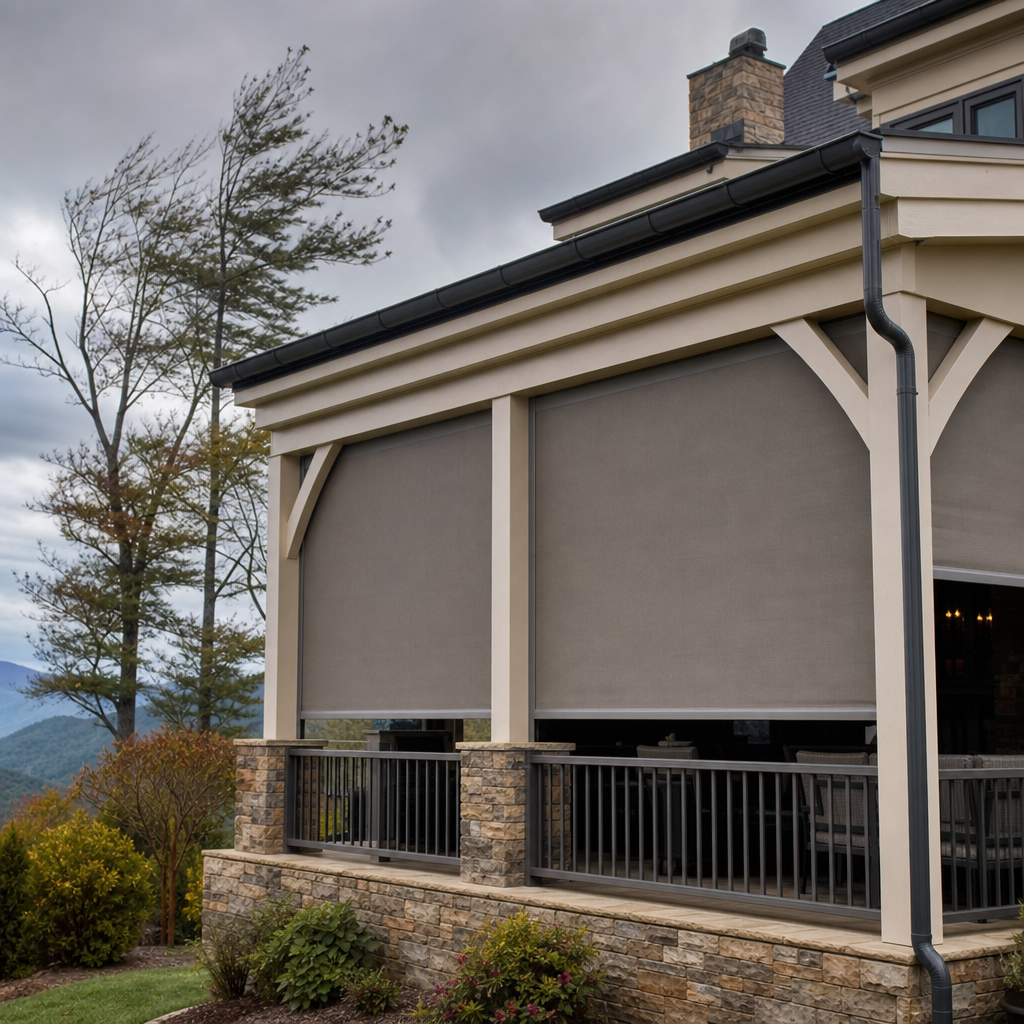

Energy-Efficient Window Treatments for Fall
Best Energy-Efficient Window Treatments for Fall in Western North Carolina
As fall arrives in Western North Carolina, cooler mornings and shorter days bring renewed attention to keeping the home comfortable. Windows are an important part of that equation because heat can move through and around them, affecting how comfortable a room feels as outdoor temperatures change.
Energy-efficient window treatments can help reduce unwanted heat transfer while giving homeowners greater control over sunlight, privacy, and comfort. Cellular shades are particularly well known for their insulating design, while plantation shutters, layered window treatments, Roman shades, and properly selected drapery can also contribute to a more comfortable interior. Motorized shades add another advantage by making it easier to adjust window coverings as sunlight and temperatures change throughout the day.
For homeowners in Asheville, Hendersonville, Black Mountain, Brevard, and throughout Western North Carolina, fall is an ideal time to think about whether existing window treatments are ready for the cooler months ahead.
What Are the Best Energy-Efficient Window Treatments?
Some window treatments are better suited to improving insulation and managing solar heat than others.
The best choice depends on the window itself, including its size, orientation, existing efficiency, and the amount of direct sunlight it receives.
Some of the most useful options include:
- Cellular shades (Honeycomb Shades)
- Plantation shutters
- Roman shades
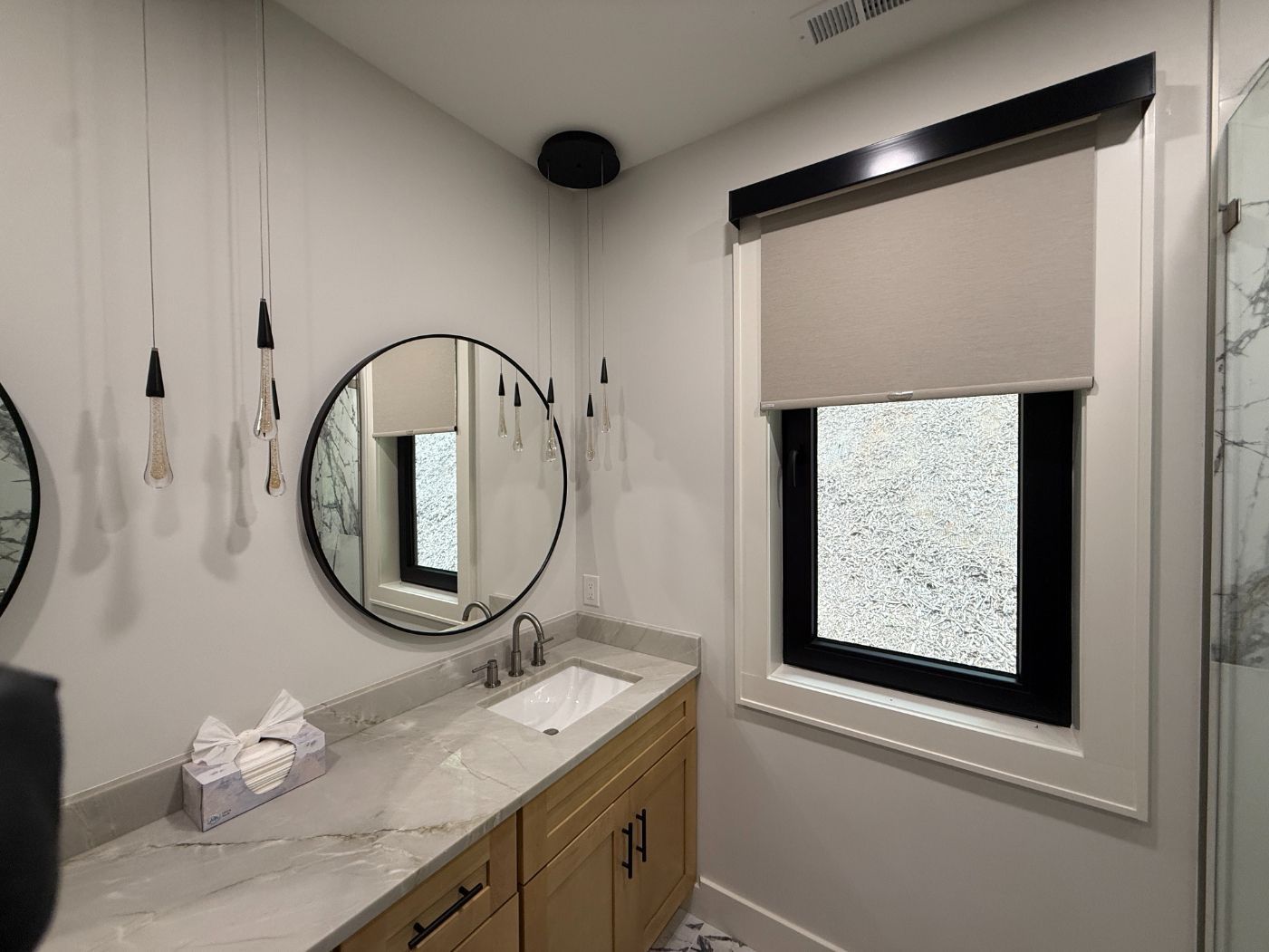
- Roller shades
- Layered window treatments
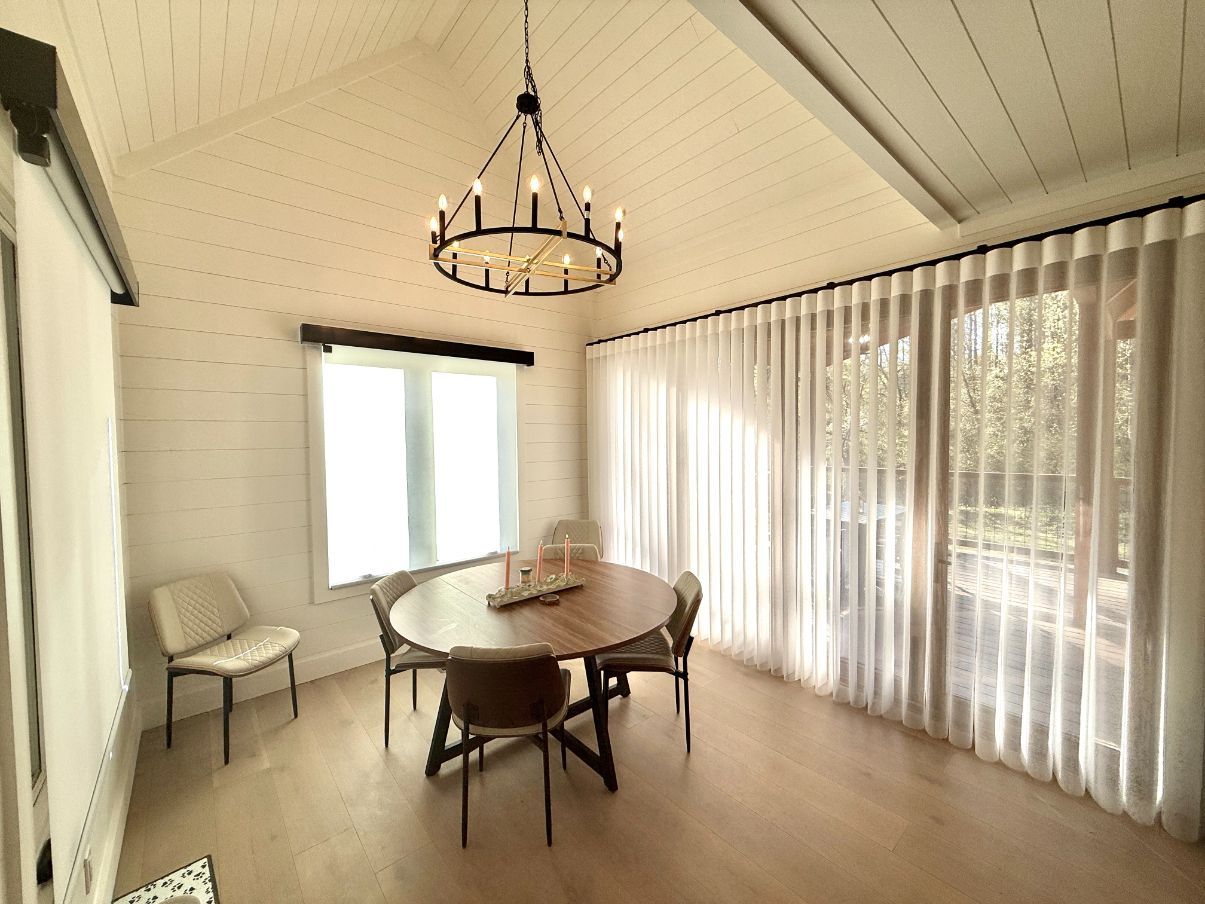
- Custom drapery
- Motorized shades
The important point is that energy efficiency doesn't have to dictate the entire design.
A homeowner who loves clean contemporary interiors may choose a very different solution from someone furnishing a traditional mountain home. Custom window treatments allow performance and appearance to be considered together.
Why Are Cellular Shades So Energy Efficient?
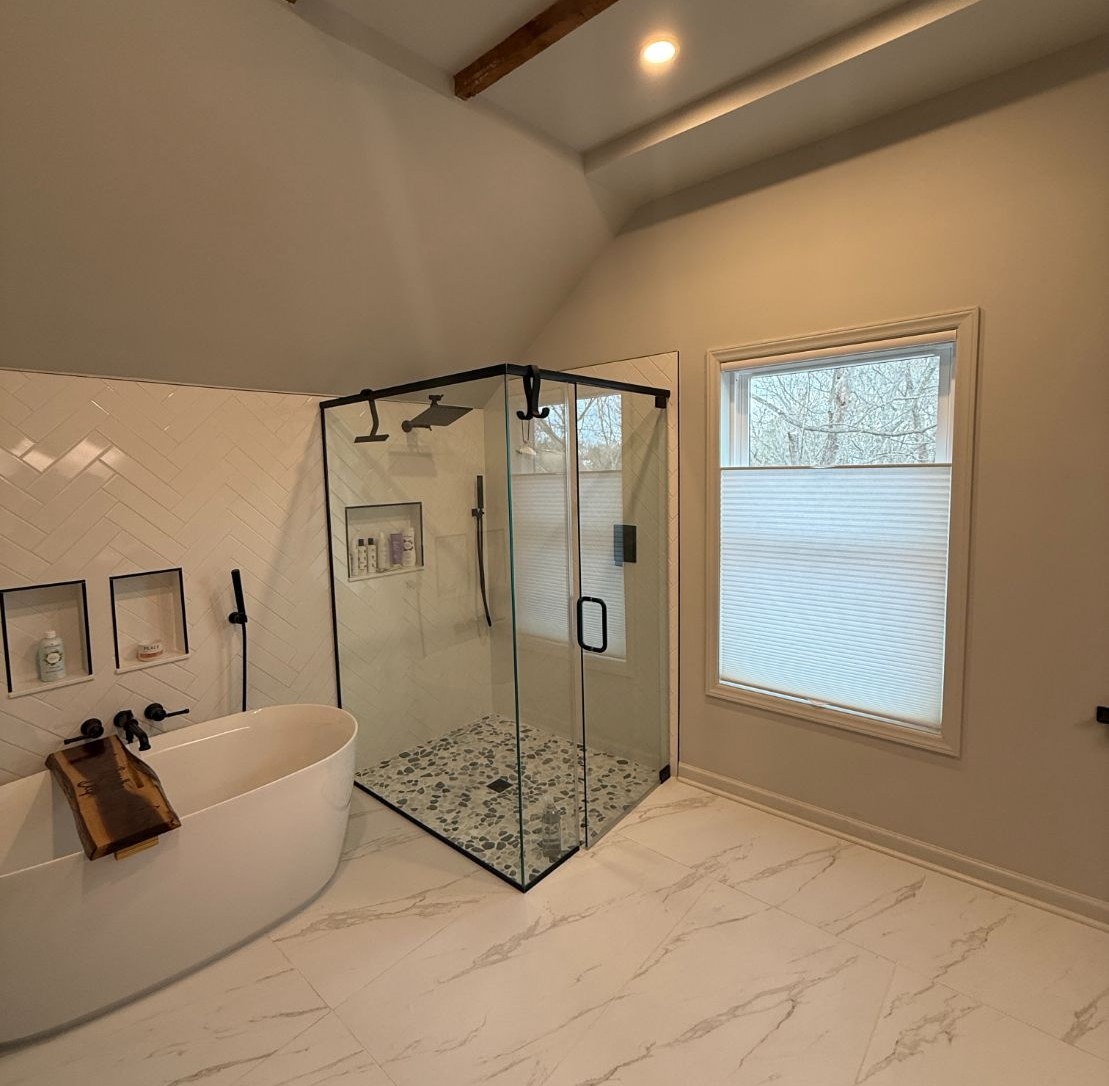
Cellular shades are one of the first products to consider when insulation is a priority.
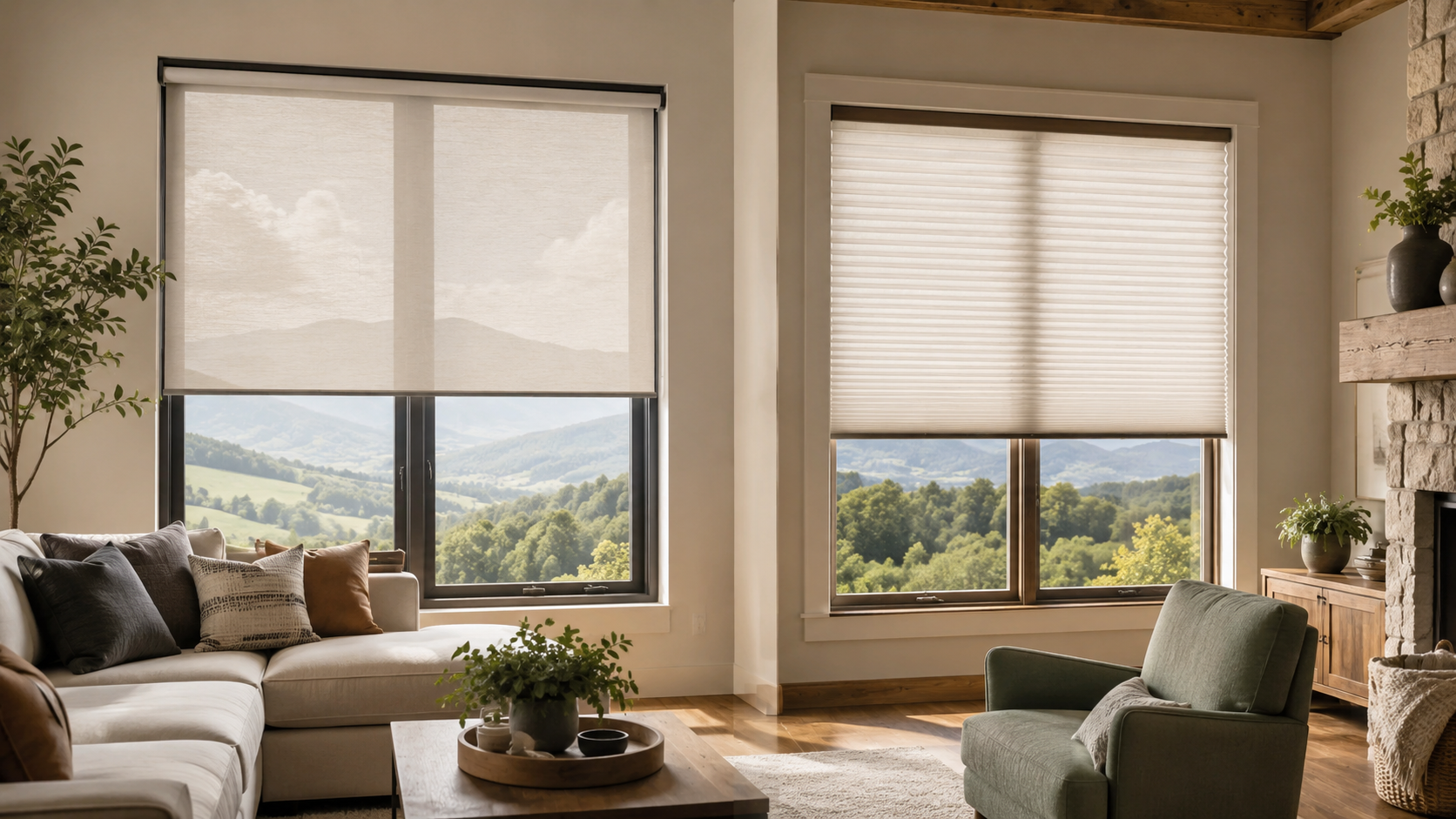
Unlike a flat piece of fabric, cellular shades are constructed with honeycomb-shaped pockets that trap air between the window and the room. That trapped air creates an additional insulating layer.
This can help reduce heat transfer through the window and make the area immediately around it feel more comfortable.
Cellular shades can be particularly useful in:
- Bedrooms
- Living rooms
- Home offices
- Older homes
- Rooms with large windows
- Spaces that feel noticeably cooler near the glass
Different cellular constructions, fabrics, and opacity levels also allow homeowners to balance insulation with daylight and privacy.
A bedroom, for example, may benefit from a more room-darkening option, while a living area might use a light-filtering cellular shade that allows natural light into the room.
Do Plantation Shutters Help Insulate Windows?
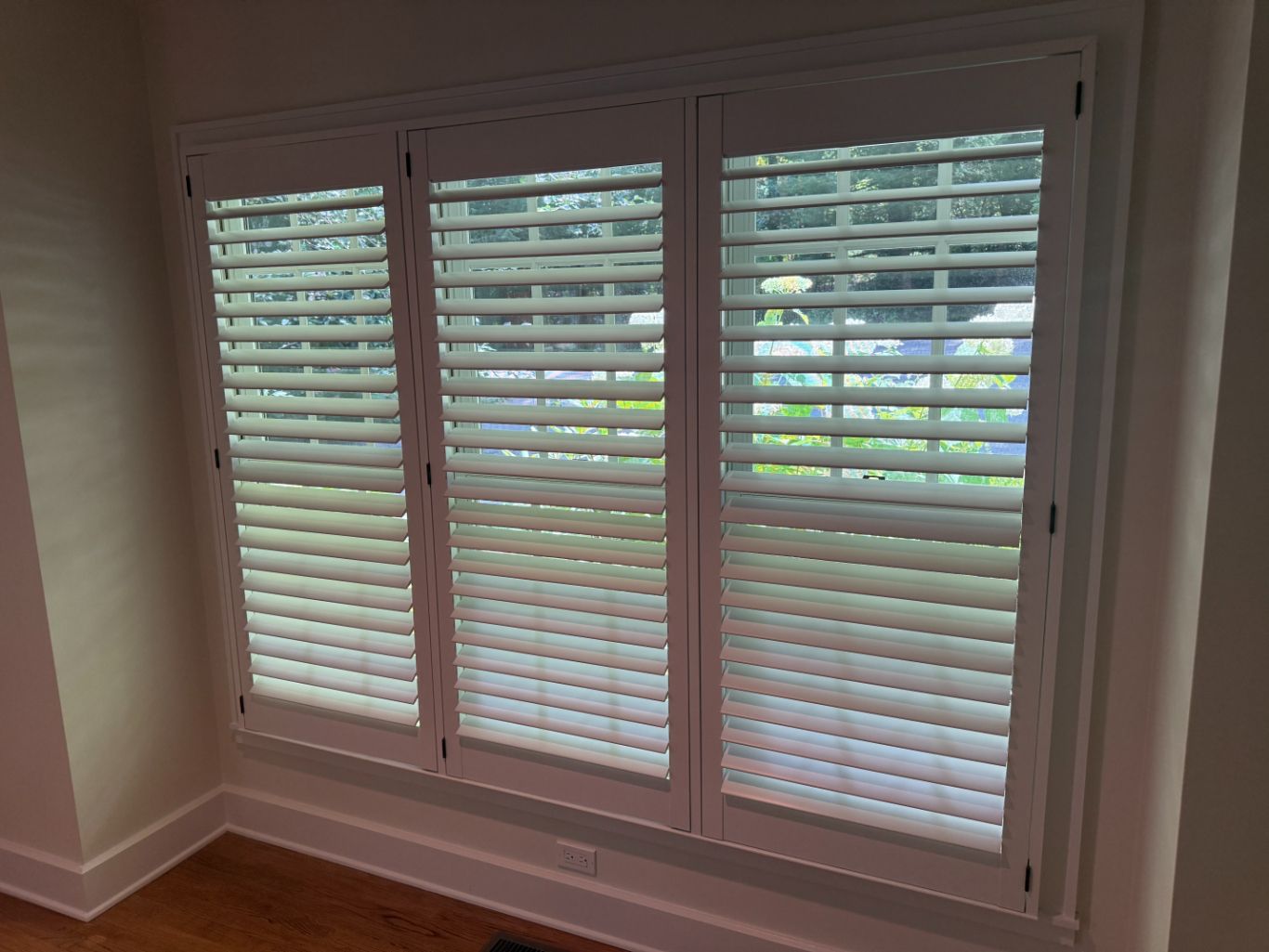
Plantation shutters can contribute to window insulation while providing a very different aesthetic from fabric shades.
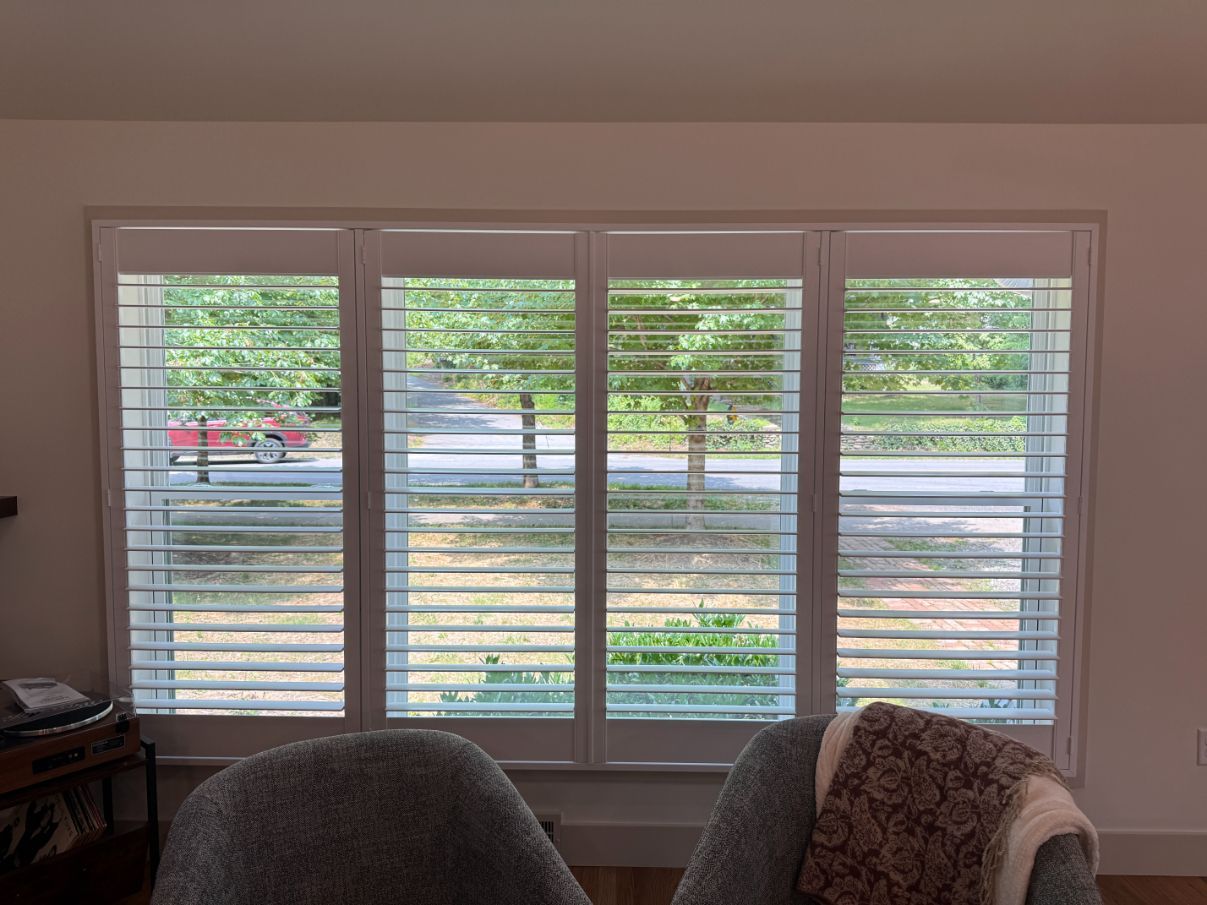
When closed, shutters create a physical barrier between the room and the glass. Their fitted frames and solid construction can help reduce the feeling of drafts around the window while providing excellent control over light and privacy.
Shutters also allow homeowners to adjust the louvers rather than choosing only between completely open and completely closed.
During a sunny fall afternoon, louvers can be positioned to welcome natural light into the room. Later, they can be closed for additional privacy and separation from the glass.
Plantation shutters are especially attractive for homeowners who want their window treatments to feel like part of the home's architecture.
They work beautifully in traditional, transitional, farmhouse, and many contemporary Western North Carolina homes.
Can Layered Window Treatments Make a Home More Energy Efficient?
Layered window treatments can provide both functional and design benefits during cooler weather.
Instead of asking one treatment to accomplish everything, layering combines products with complementary purposes.
For example:
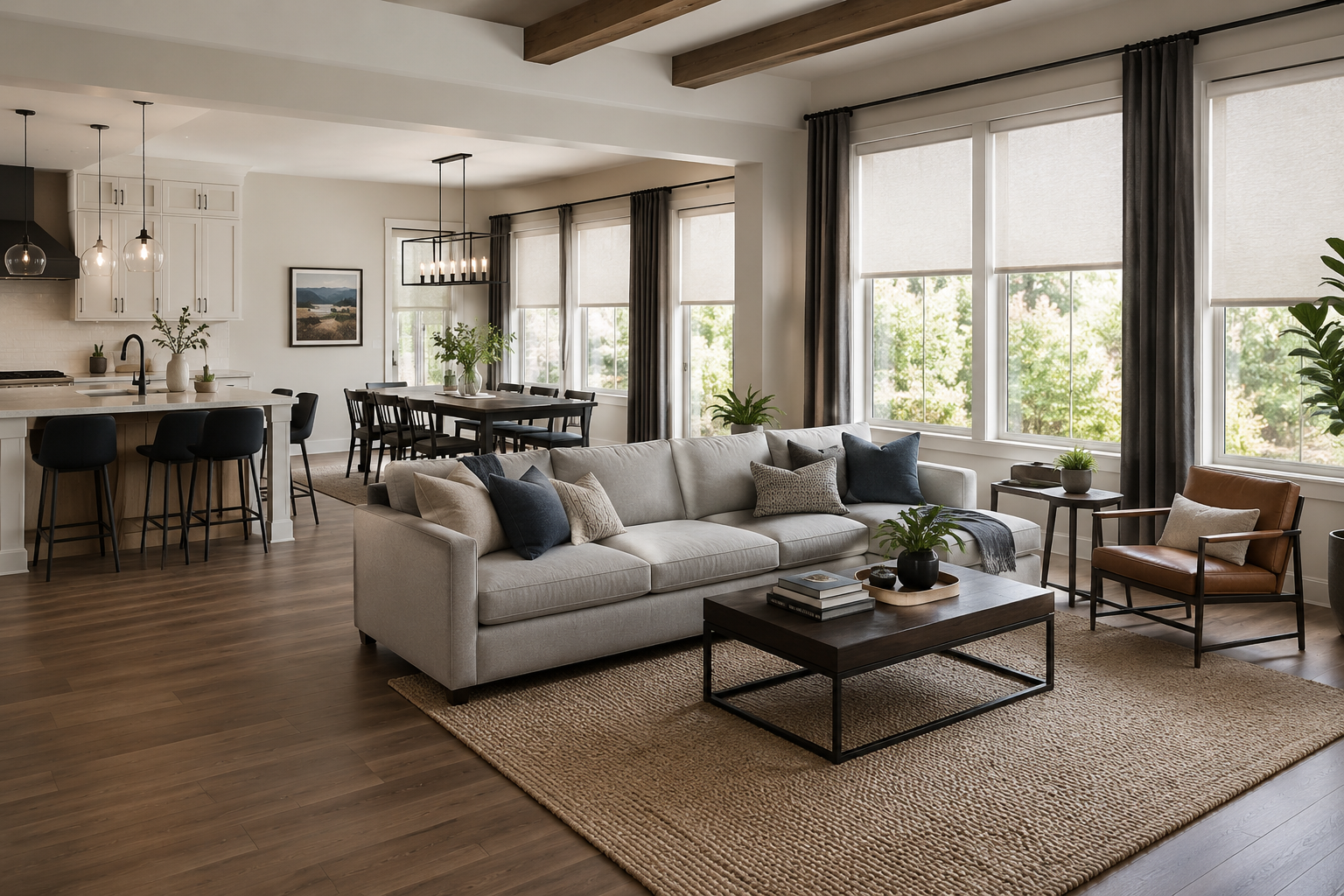
- Cellular window shades with decorative drapery
- Roller shades with full-length panels
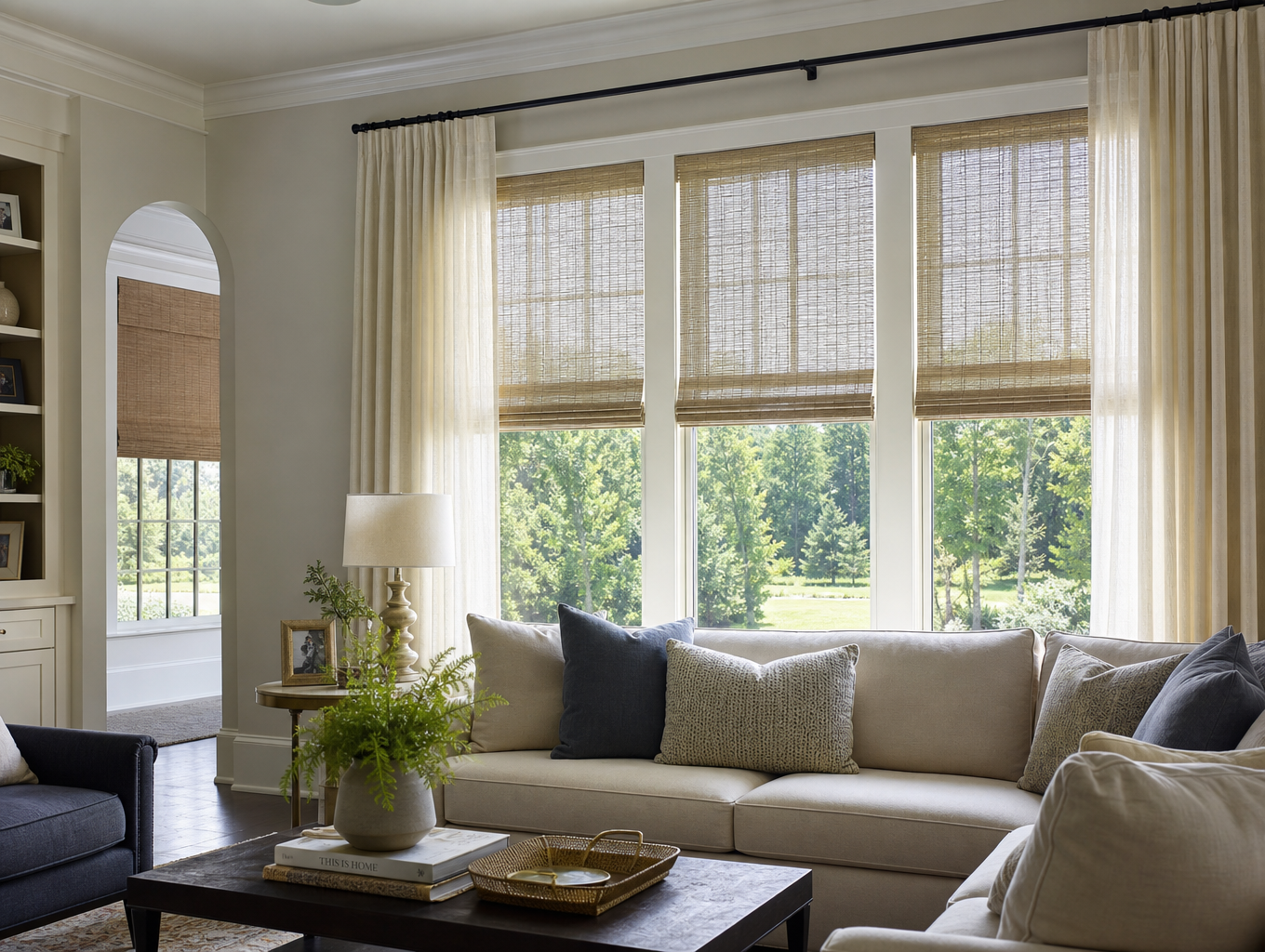
- Roman shades with drapery
- Plantation shutters with fabric panels
- Light-filtering shades with heavier evening drapery
The inner treatment provides everyday light and privacy control, while the additional layer can create another barrier between the window and the room.
This can be especially useful in bedrooms and living areas where comfort changes significantly between sunny afternoons and colder evenings.
Layering also creates depth and softness, which makes it possible to improve functionality without making a home feel utilitarian.
Can Roman Shades Help With Energy Efficiency?
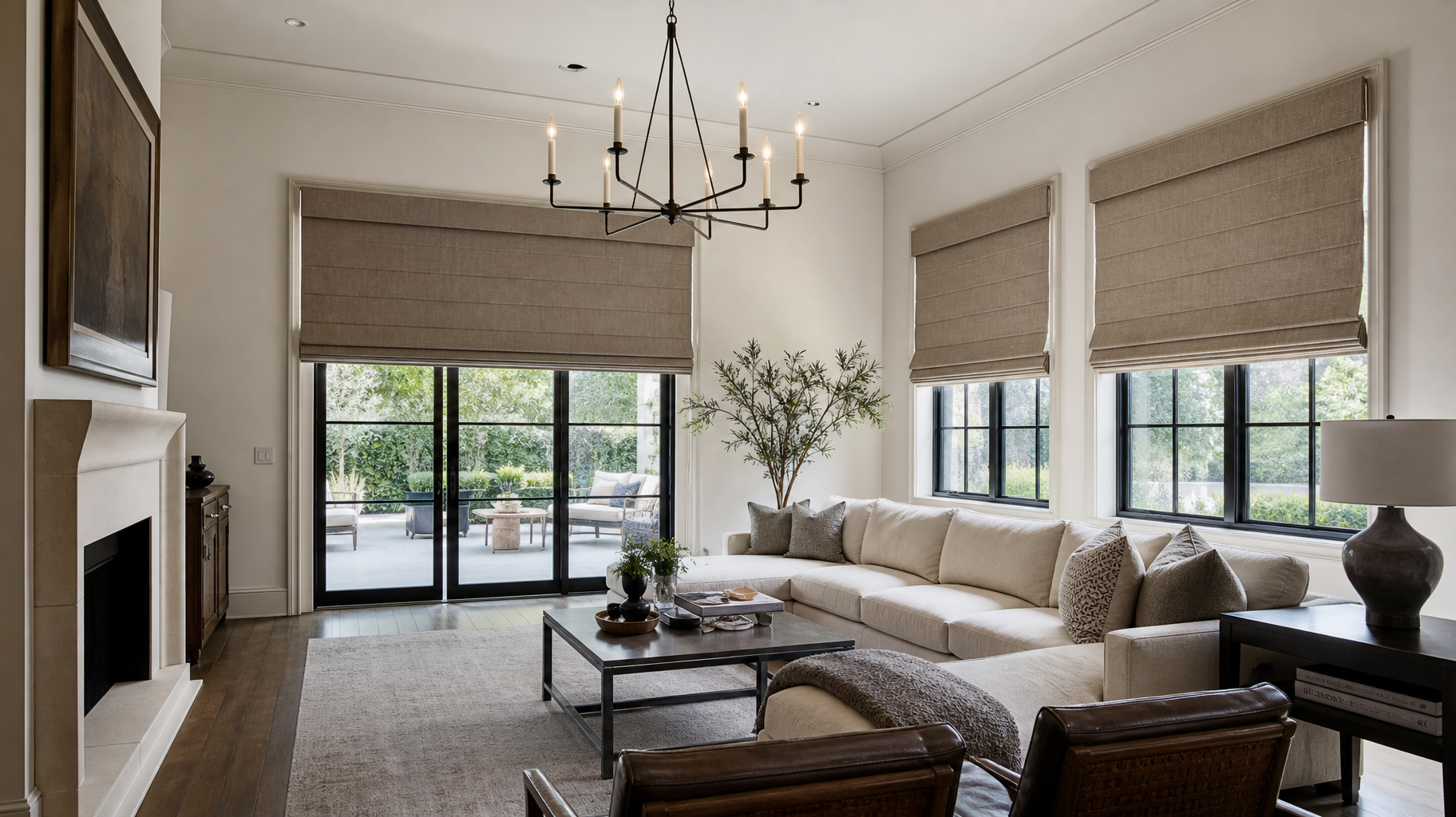
Roman shades offer an appealing combination of fabric, softness, and coverage.
When lowered, the fabric covers the window and creates another layer between the interior and the glass. Depending on the material and construction selected, lining can provide additional light control and insulation.
Roman shades are particularly well suited to homeowners who want energy-conscious window treatments without sacrificing a more decorative look.
They can work beautifully in:
- Bedrooms
- Dining rooms
- Living rooms
- Breakfast areas
- Home offices
Roman shades can also be layered with drapery when additional privacy, room darkening, or insulation is desired.
What About Roller Shades?
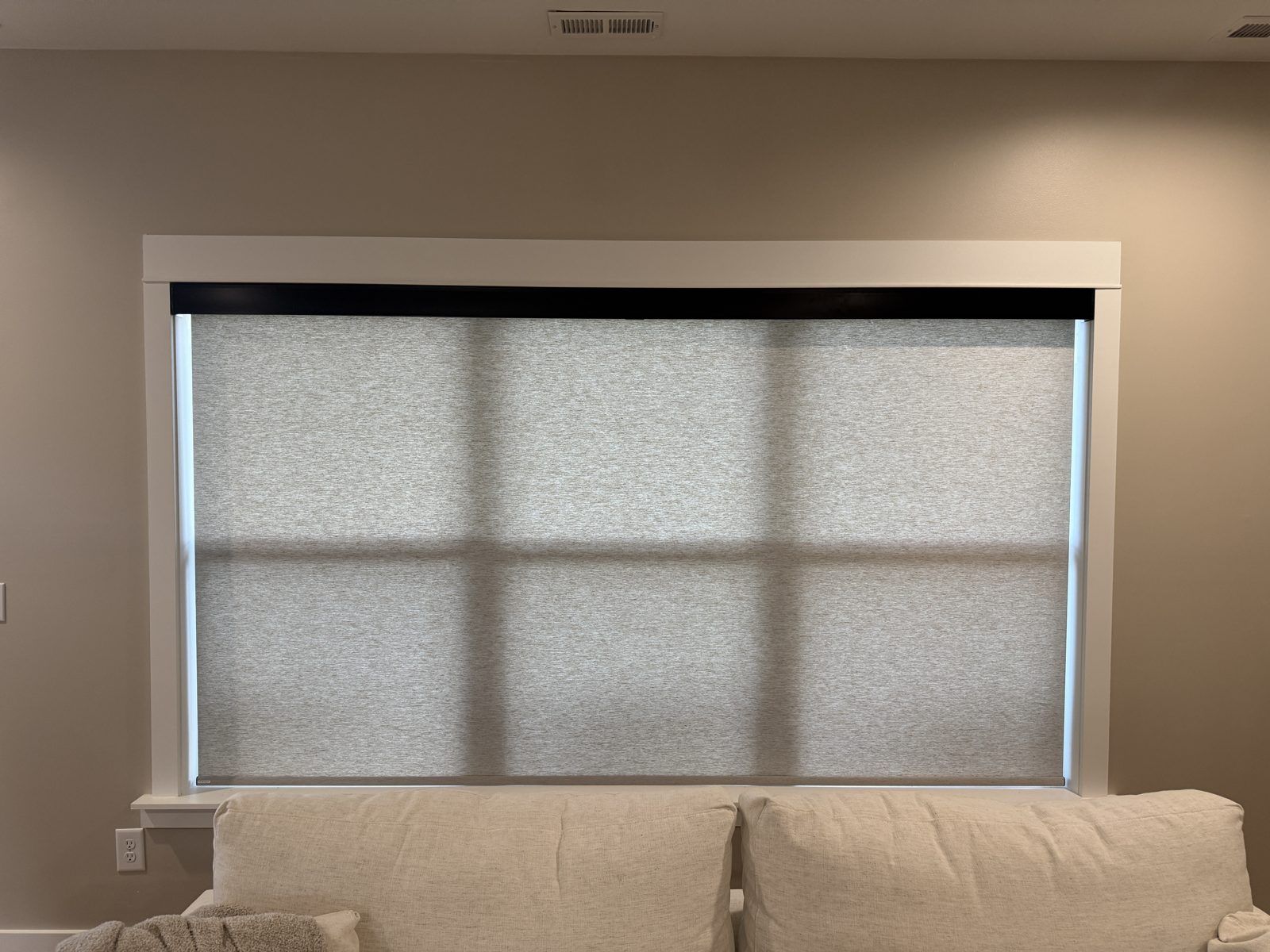
Roller shades are popular because they're streamlined, versatile, and available in many fabrics and opacity levels.
While their primary strengths often include solar control, glare management, privacy, and UV protection, managing sunlight is also part of managing a home's comfort.
Western North Carolina can still experience strong direct sunlight during fall, particularly through south- and west-facing windows.
A properly selected roller shade can reduce unwanted solar gain when the sun makes a room uncomfortable while allowing homeowners to raise the shade when that sunlight is welcome.
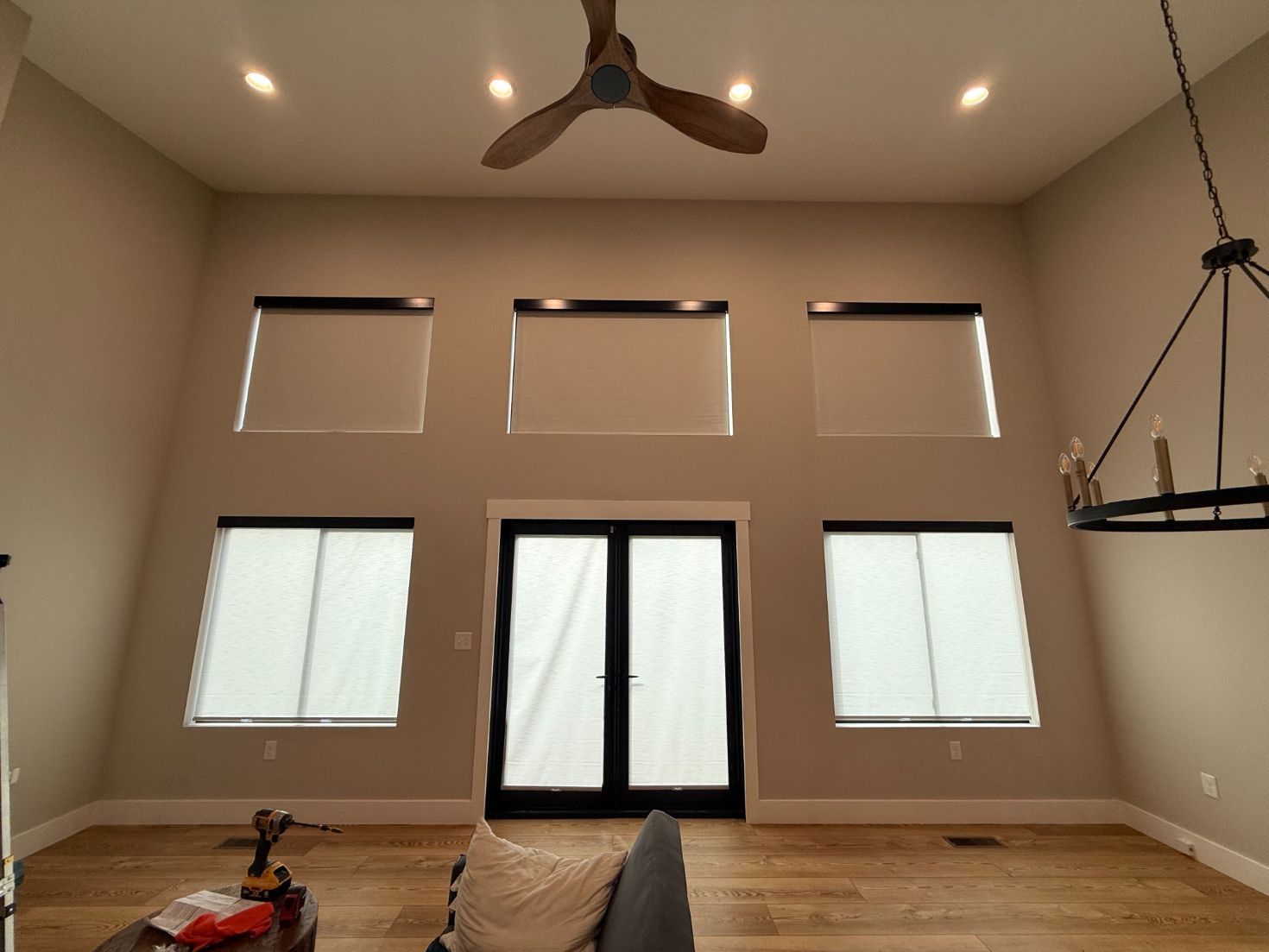
That flexibility becomes even more useful when roller shades are motorized or automated.
How Can Motorized Shades Improve Energy Efficiency?
Motorization doesn't change the insulating properties of the shade itself.
What it can change is how consistently you use it.
A highly efficient shade can't provide much benefit if it stays open when you want to reduce heat loss or remains closed when beneficial sunlight could be warming the room.
Motorized window treatments make adjustments easier.
Depending on the selected system, compatible motorized shades may be controlled using:
- A handheld remote
- Wall controls
- Smartphone apps
- Schedules
- Smart-home integrations
Imagine a sunny Asheville fall day.
Shades on selected windows can remain open while sunlight provides natural warmth and daylight. As the sun moves and evening approaches, the shades can close to provide privacy and another layer between the living space and the cooler glass.
For homes with many windows, tall windows, or hard-to-reach glass, automation can make that daily routine considerably more practical.
Are Energy-Efficient Window Treatments Worth It in Western North Carolina?
For many homeowners, energy efficiency is only one part of the value.
A thoughtfully designed window treatment can simultaneously improve:
- Comfort
- Privacy
- Light control
- Glare reduction
- UV protection
- Interior design
- Ease of operation
That's why it often makes more sense to consider the complete role of the window rather than choosing a treatment based on one feature.
Western North Carolina's seasonal changes make that flexibility particularly useful.
The treatment that helps manage strong September afternoon sun can also provide additional coverage during a cold January evening.
Prepare Your Western North Carolina Home for
Cooler Weather
Energy-efficient window treatments don't have to mean sacrificing beautiful interiors or mountain views.
The right custom solution can help manage sunlight, provide additional insulation, improve privacy, and make your home more comfortable as Western North Carolina transitions from warm September afternoons into colder fall and winter nights.
Love Is Blinds NC helps homeowners throughout Asheville, Hendersonville, Black Mountain, Arden, Fletcher, Weaverville, Brevard, and surrounding Western North Carolina communities select window treatments based on their homes, windows, design preferences, and everyday needs.
Whether you're considering cellular shades, plantation shutters, Roman shades, roller shades, layered window treatments, or motorized shades, we'll help you find a solution designed for both comfort and style.
Contact Love Is Blinds NC to schedule a complimentary in-home consultation and prepare your windows for the seasons ahead.
Frequently Asked Questions
Q: What are the most energy-efficient window treatments?
A: Cellular shades are among the most recognized insulating window treatments because their honeycomb construction traps air. Plantation shutters, lined Roman shades, layered treatments, and properly selected drapery can also contribute to greater comfort around windows.
Q: Do cellular shades really help insulate windows?
A: Yes. Cellular shades contain honeycomb-shaped air pockets that create an insulating layer between the window and the room, helping reduce heat transfer.
Q: Are plantation shutters energy efficient?
A: Plantation shutters can provide an additional barrier between the room and the window when closed. Their fitted construction can also help make areas around windows feel more comfortable while providing adjustable light and privacy control.
Q: Do curtains help keep a house warmer in winter?
A: Properly fitted drapery can create an additional layer between the room and window. Layering drapery with an insulating shade can provide even more coverage, particularly during colder evenings.
Q: Can motorized shades save energy?
A: Motorization doesn't inherently make a shade more insulating, but it can make consistent operation easier. Automated schedules can help homeowners adjust compatible shades according to sunlight, privacy needs, and time of day.
Q: Should shades be open or closed during winter?
A: It depends on the window and conditions. Opening treatments on sunny windows may allow useful daylight and solar warmth into the room, while closing them when sunlight is no longer beneficial can provide another insulating layer over the glass.