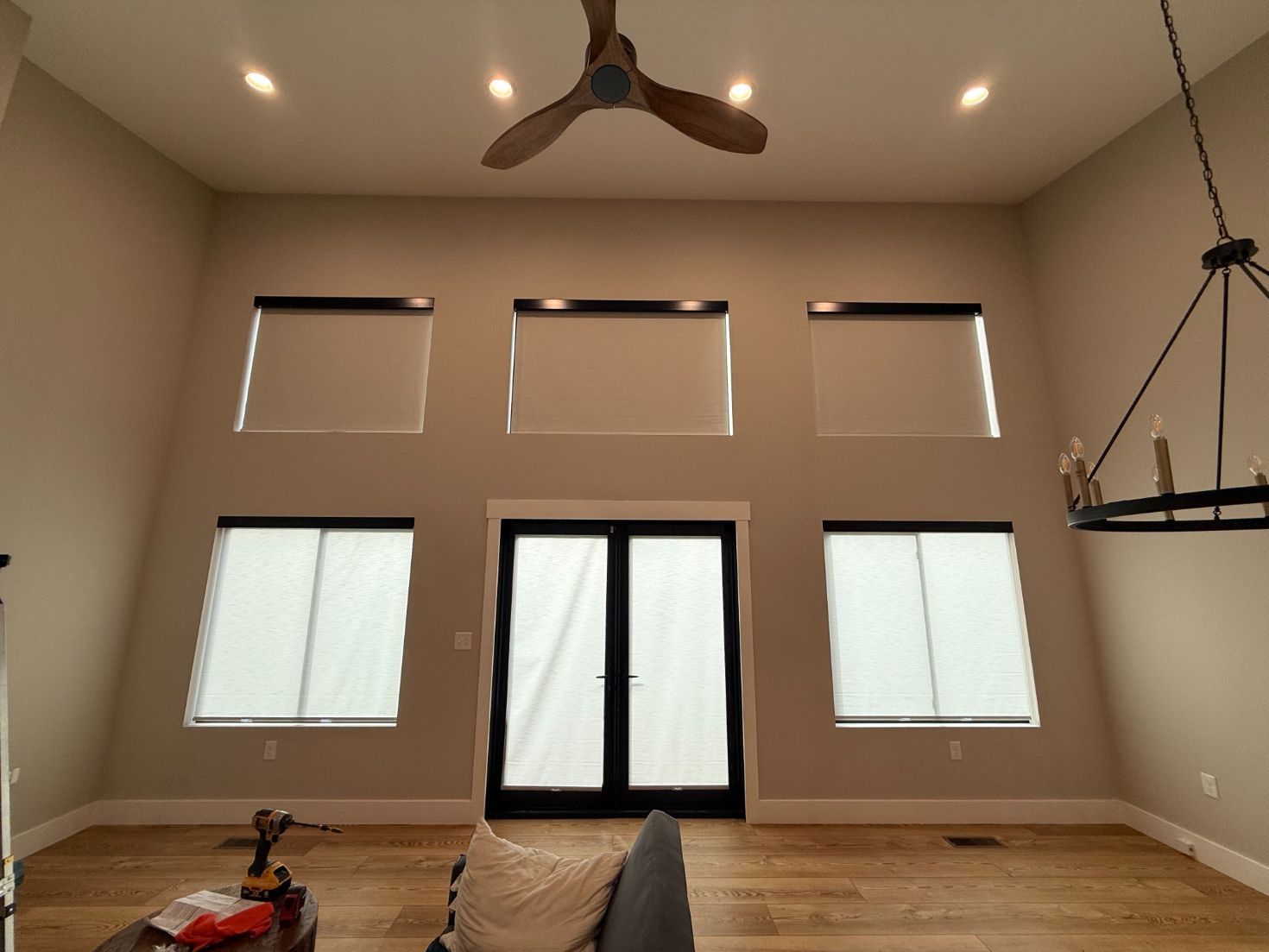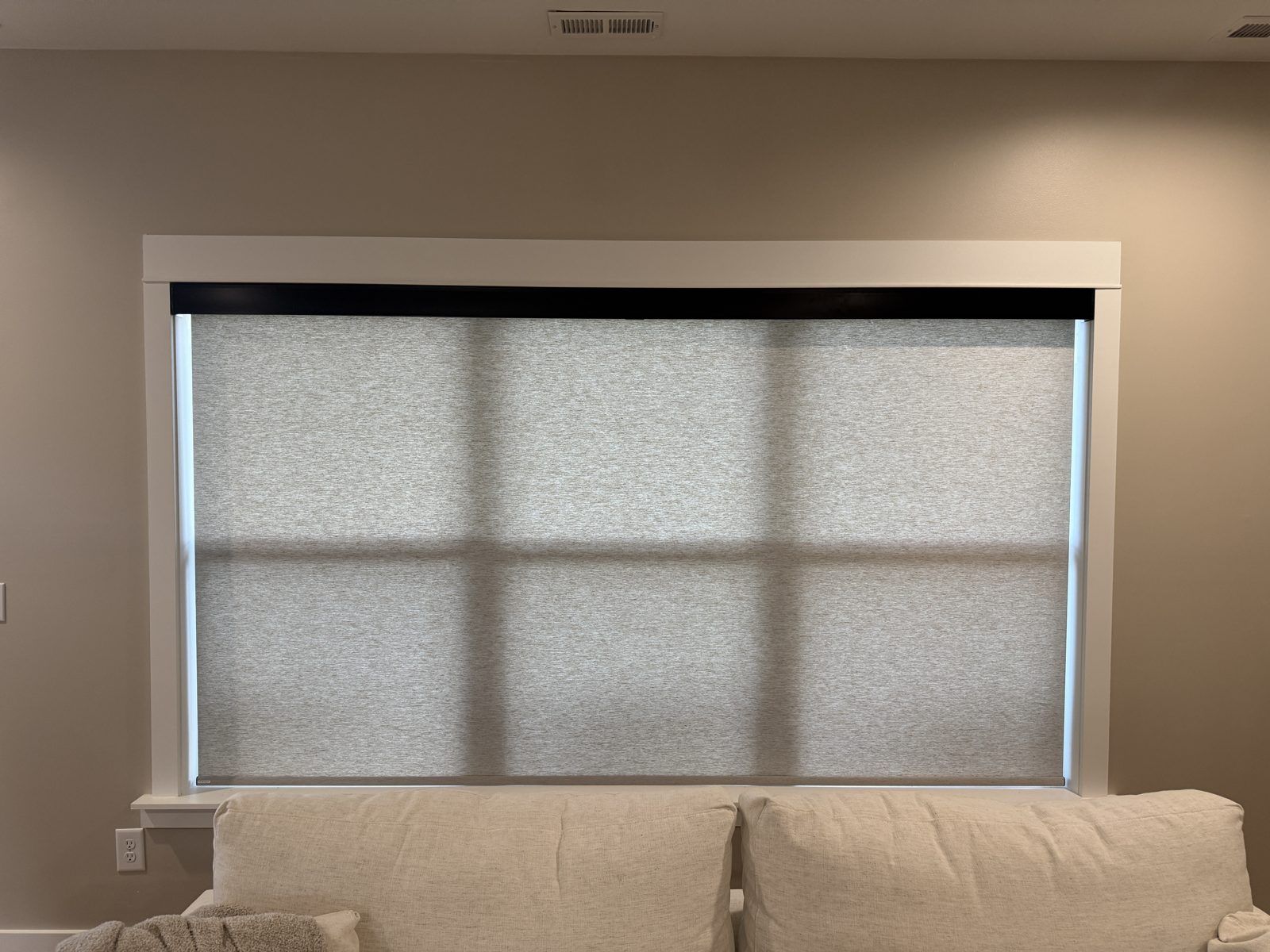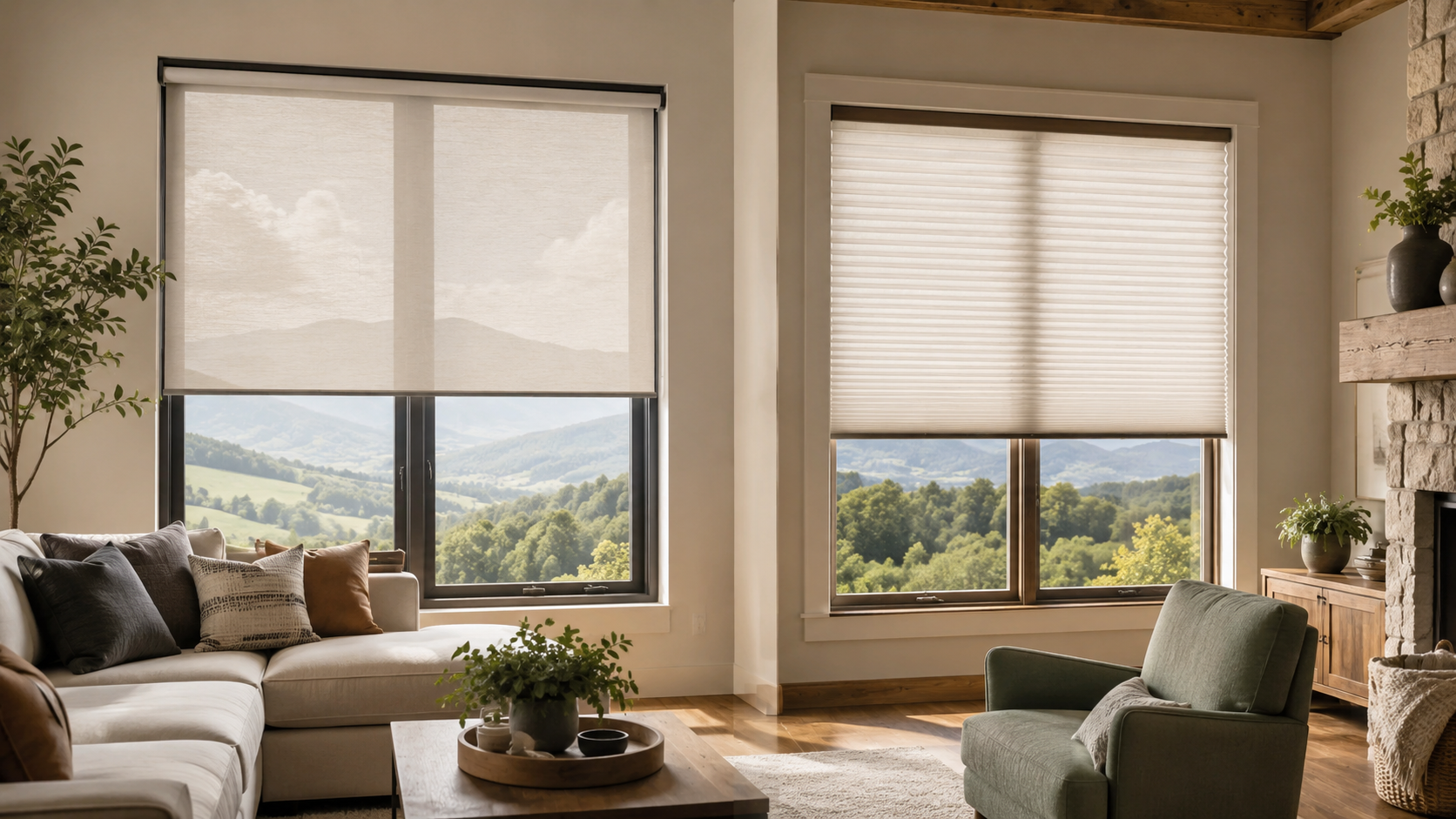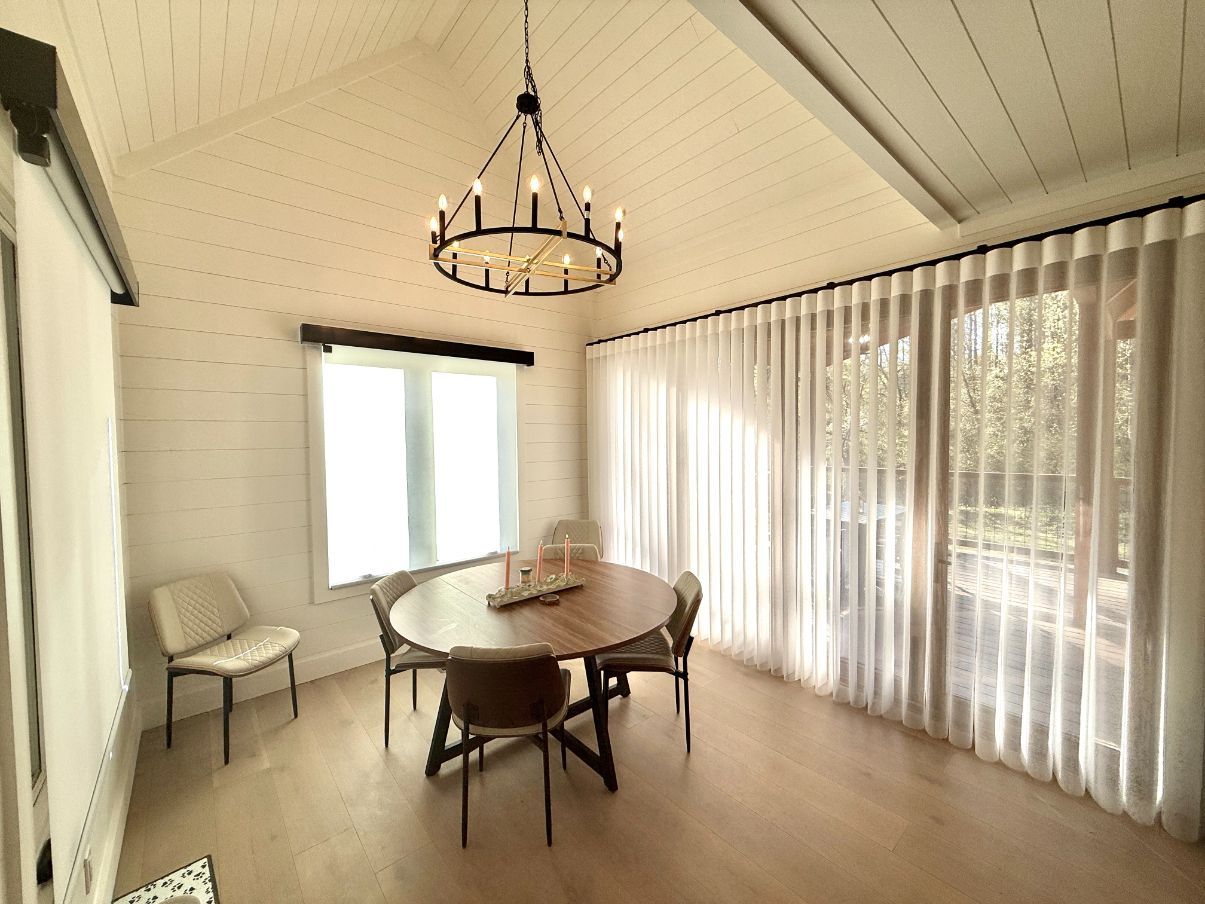

Roman Shades vs Cellular Shades: Which Is Better?
Roman Shades vs Cellular Shades: Which Is Better?
TLDR;
Roman shades are better if style and decorative impact are your top priority, while cellular shades are better if energy efficiency, insulation, and light control matter most. The best choice depends on your room, climate, and lifestyle needs.
Why Window Shades Matter for Your Home
Window shades do more than cover a window. They affect how much you spend on heating and cooling. They shape the look of a room. They influence privacy and comfort. For this reason, many homeowners struggle with the question: Roman Shades vs Cellular Shades: Which Is Better?
What Are Roman Shades and Cellular Shades
Roman Shades Defined
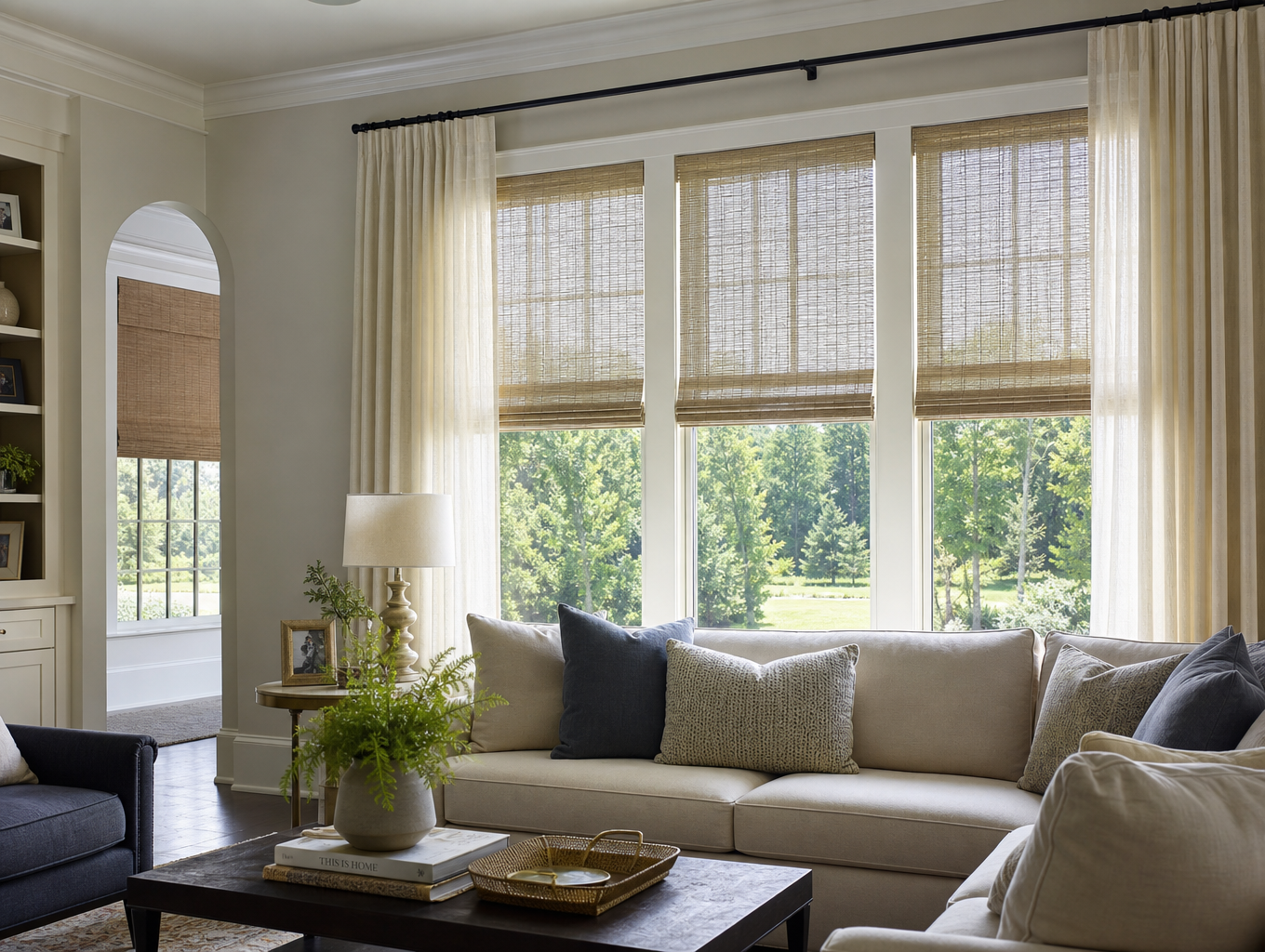
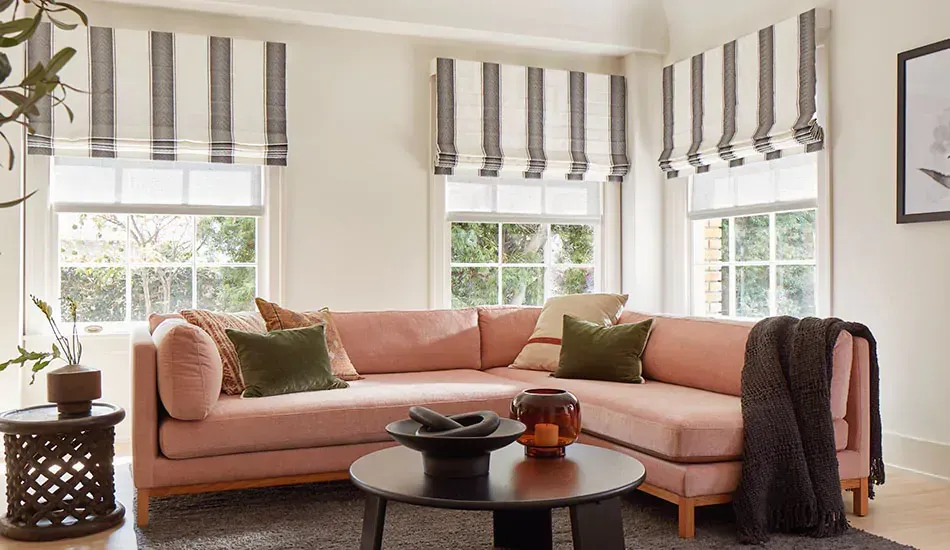
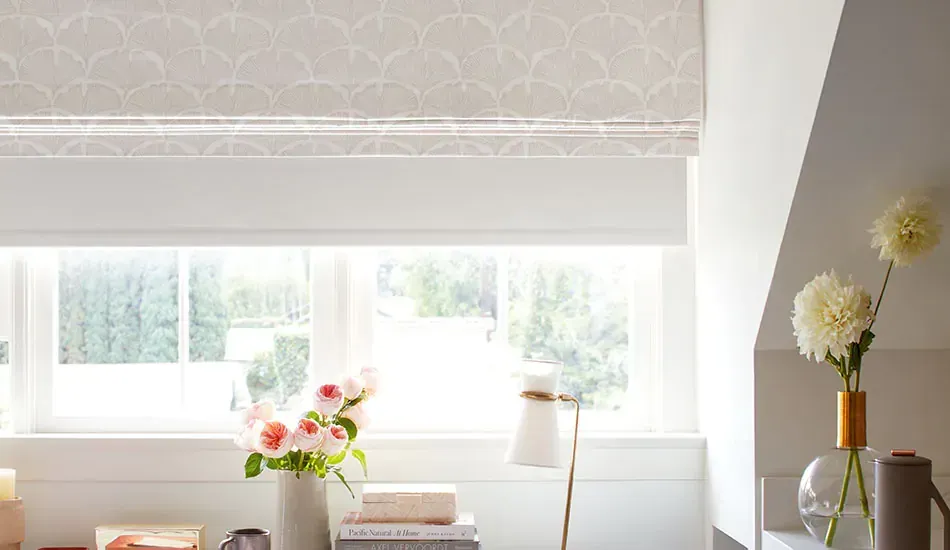
Roman shades are fabric-based window treatments. They fold into neat pleats when raised and lay flat when lowered. Types include flat, relaxed, and hobbled. They are popular for their elegance and the wide range of fabrics, patterns, and textures available.
Cellular Shades Defined
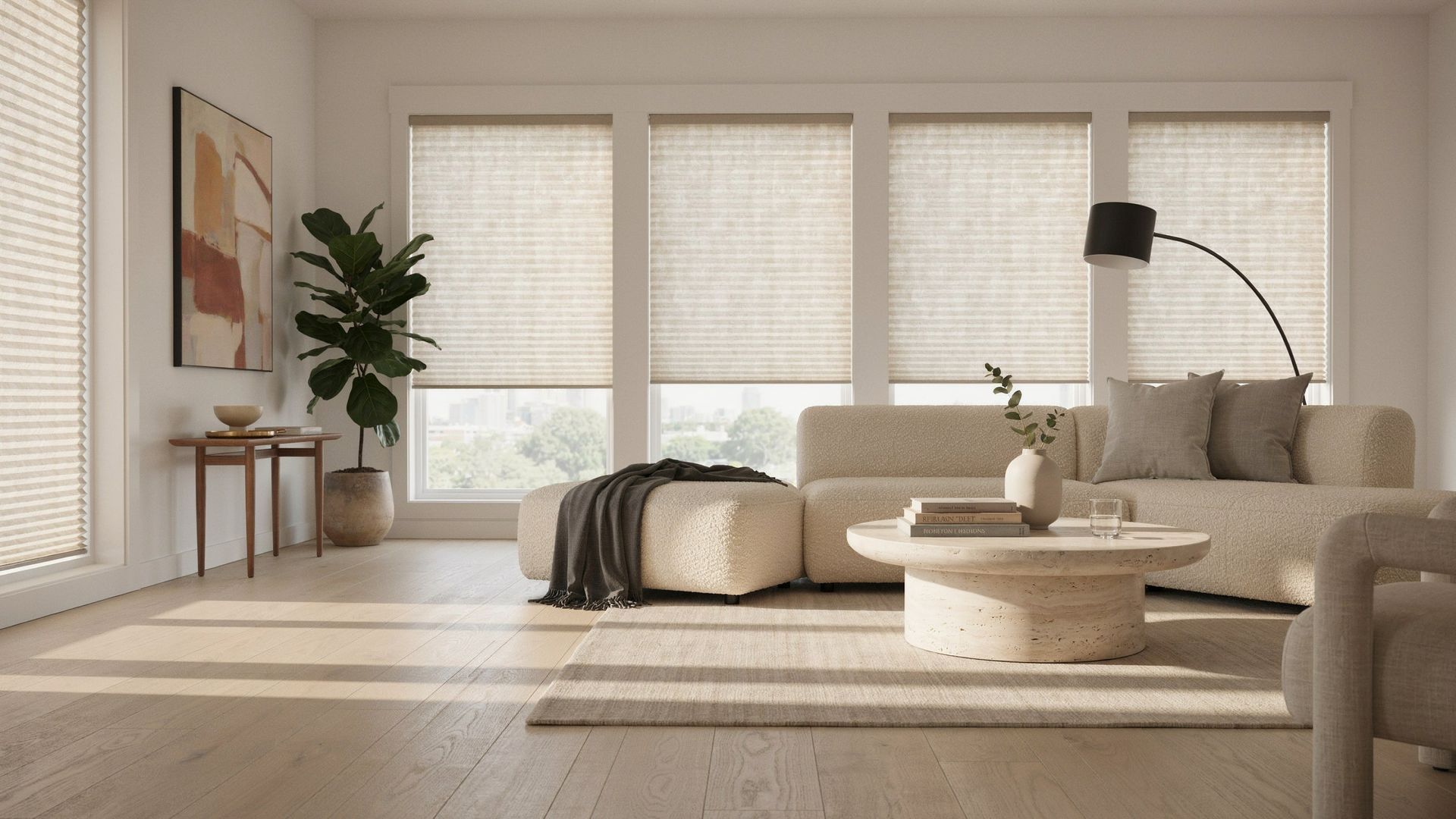
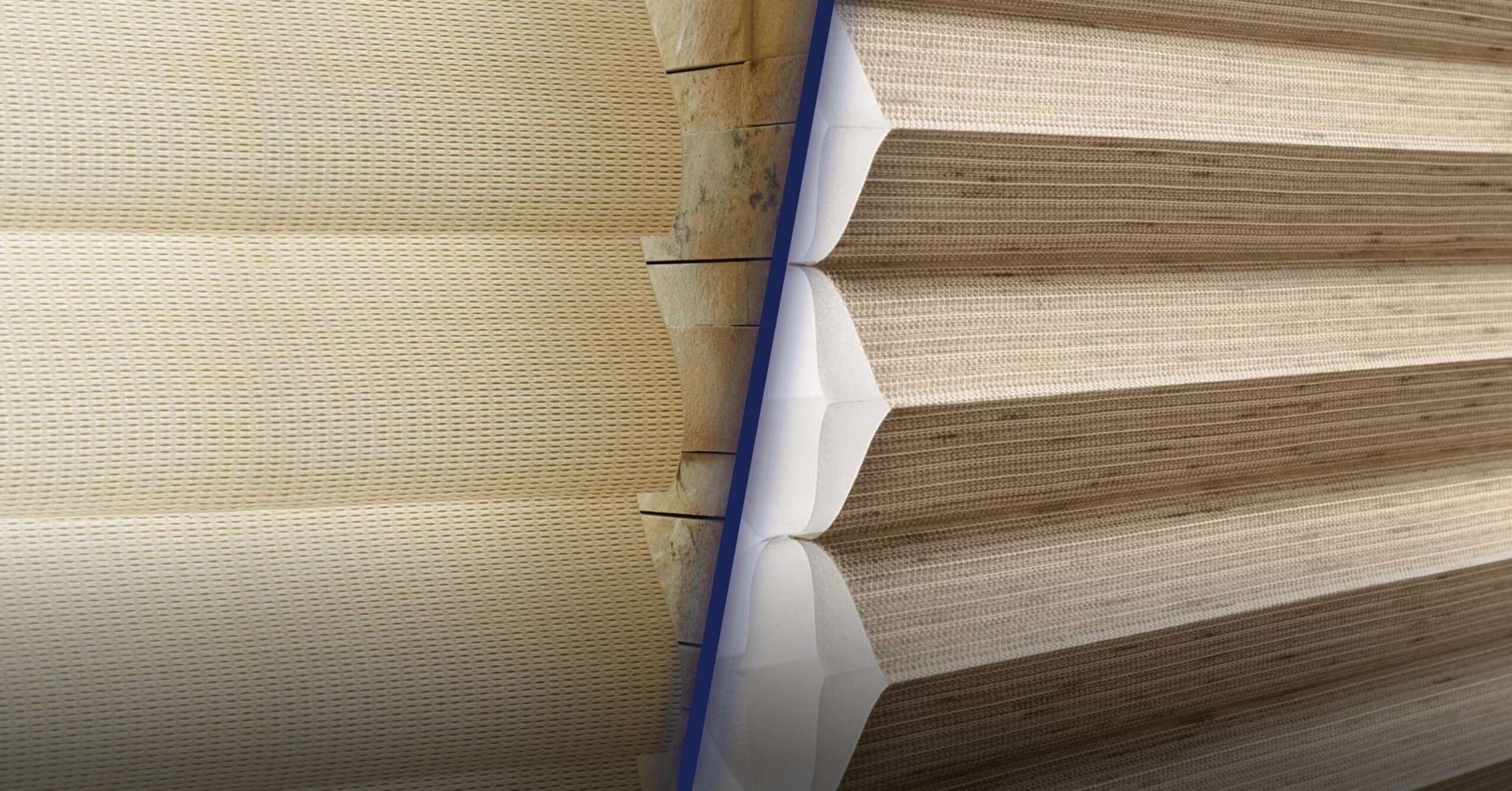
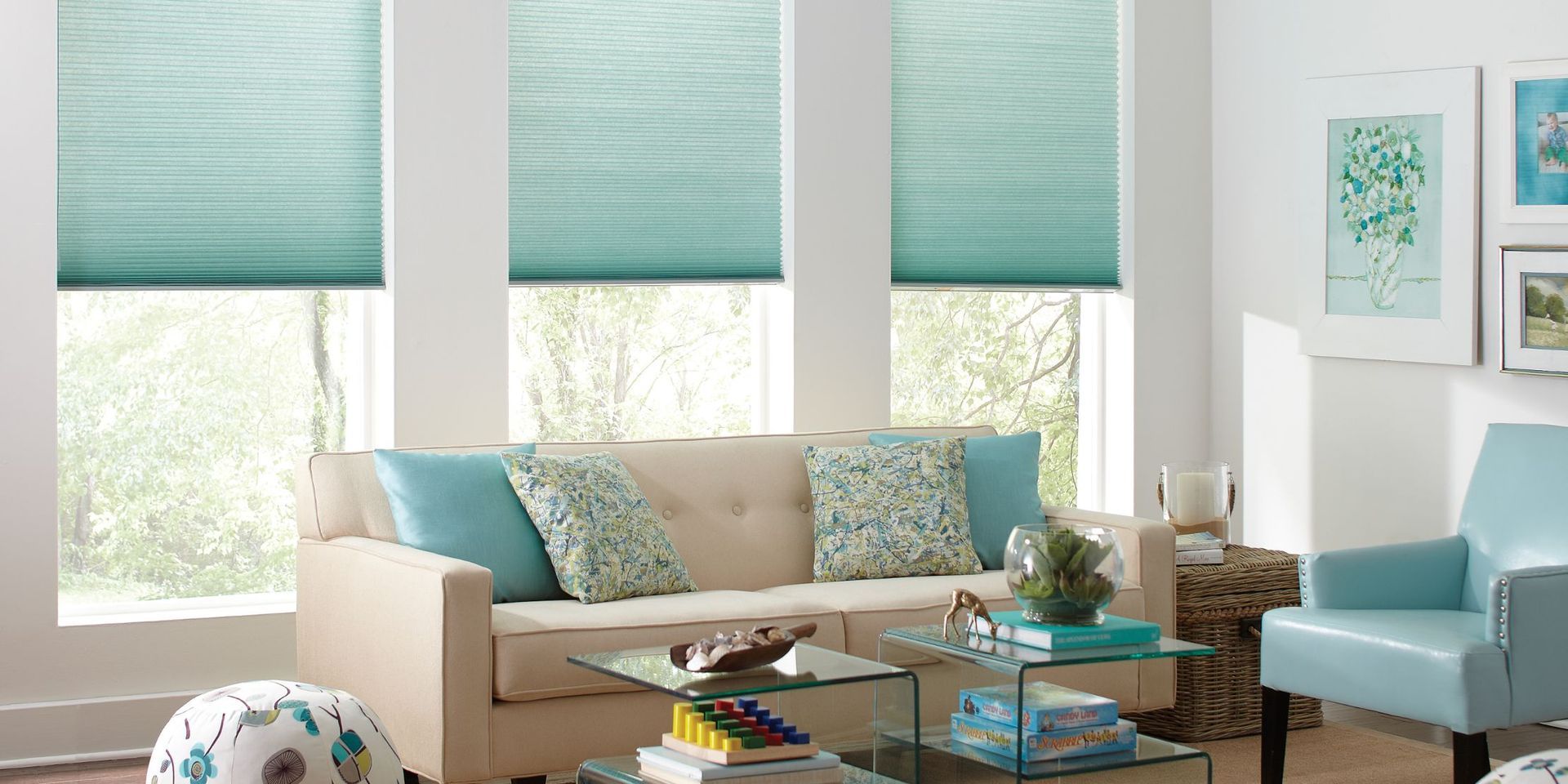
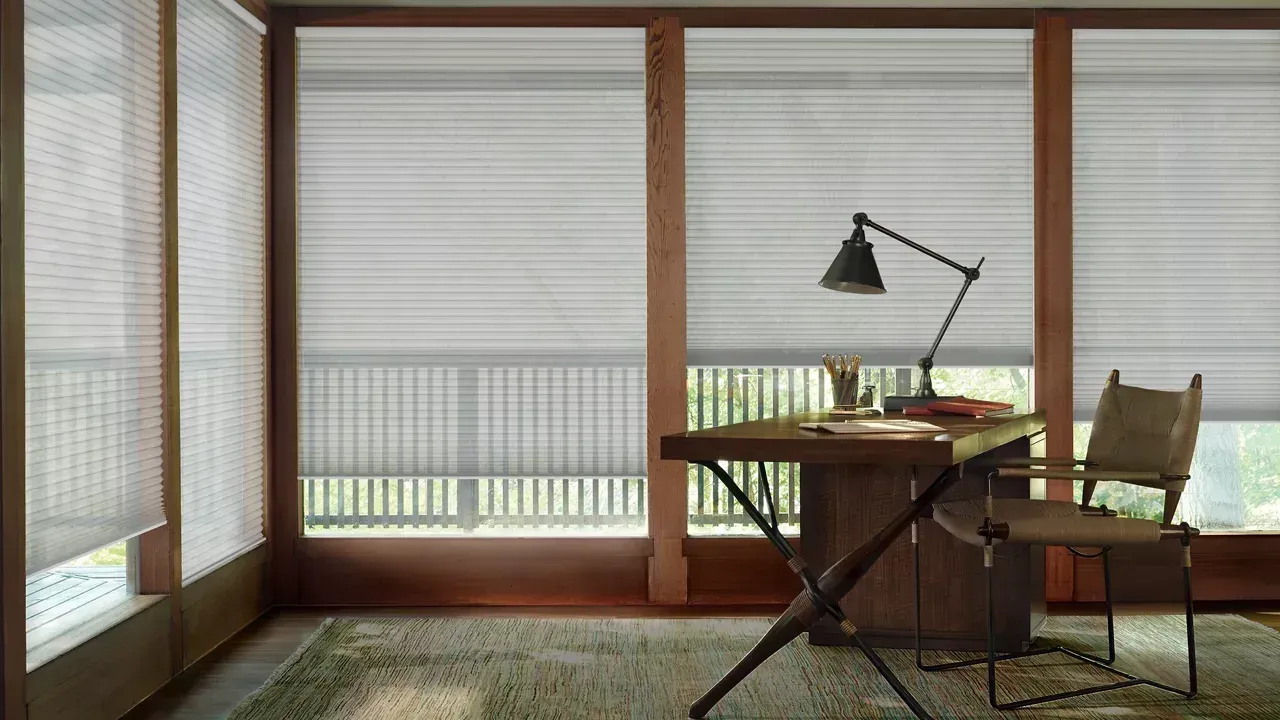
Cellular shades, also called honeycomb shades, use a unique design of single, double, or triple cells. These air pockets trap heat and cold, improving insulation. They are usually made from soft, lightweight materials and are favored for energy efficiency.
Key Differences at a Glance
- Roman shades focus on style and design flexibility.
- Cellular shades focus on insulation, light control, and energy savings.
- Roman shades add elegance to living rooms and dining rooms.
Cellular shades are practical for bedrooms, offices, and climates with extreme temperatures.
Energy Efficiency and Insulation of Window Shades
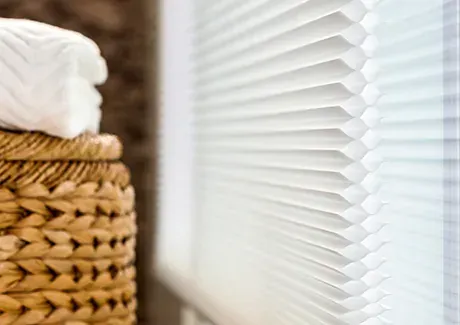
Cellular shades outperform Roman shades in insulation. The honeycomb structure creates barriers that reduce heat transfer. In winter, they help retain warmth. In summer, they keep interiors cooler.
Roman shades provide less insulation. A fabric lining can add some thermal resistance, but they are primarily decorative.
For hot climates, cellular shades lower cooling costs. In colder climates, they reduce heat loss. Studies show energy savings are higher with cellular shades, making them the better option if lowering utility bills is your main concern.
Light Control and Privacy Shades
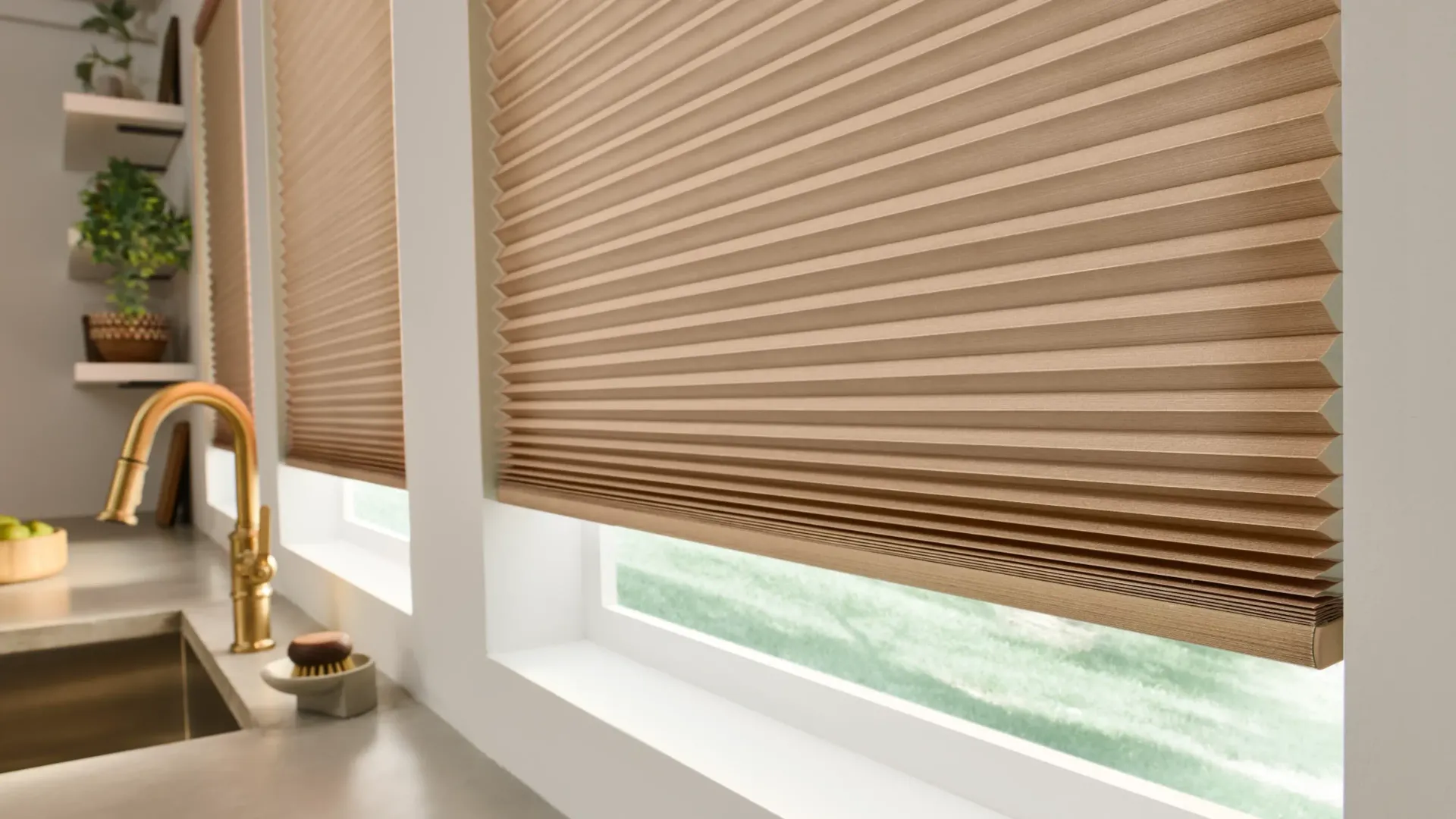
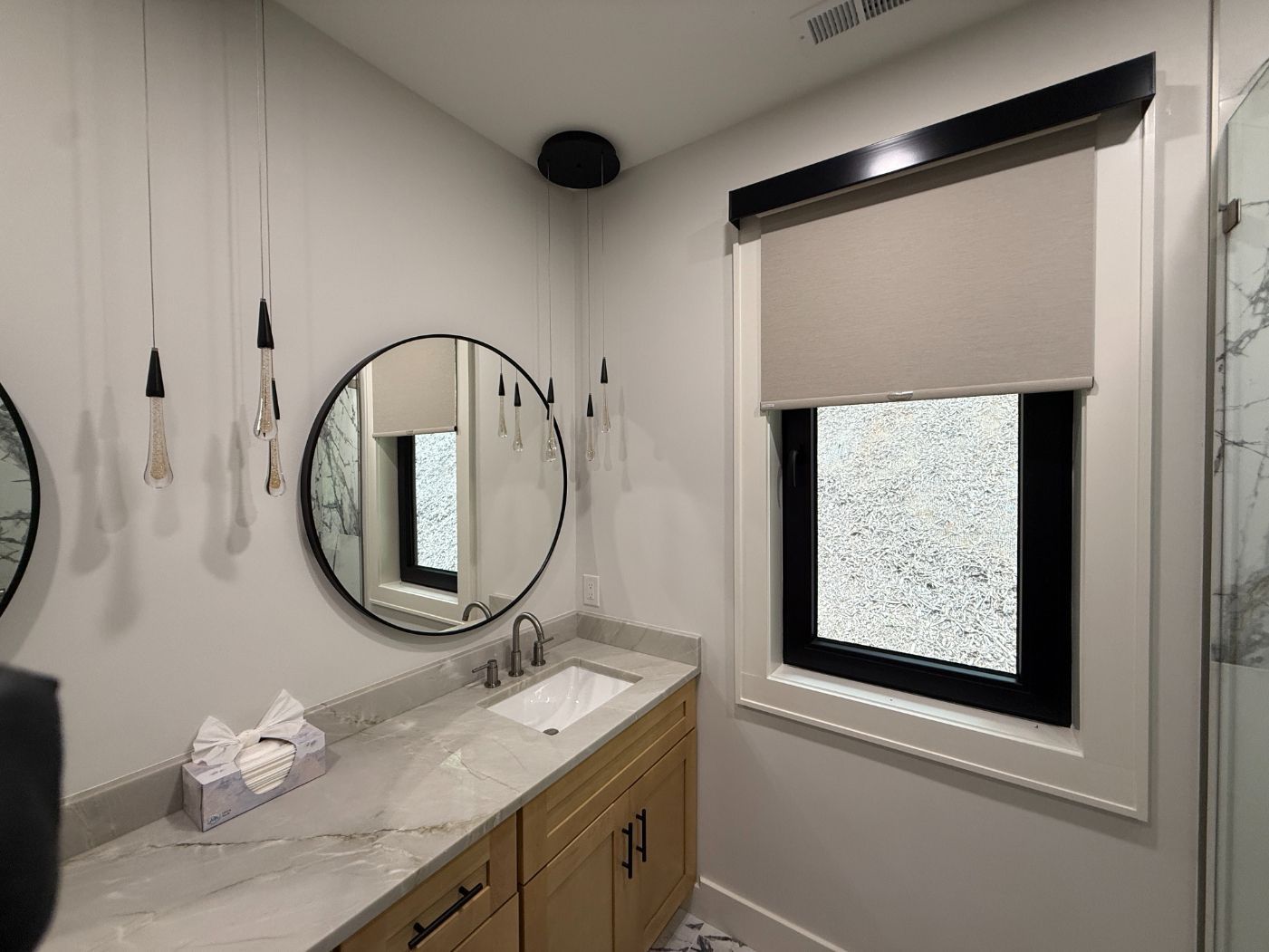
Both shades offer privacy and light filtering. Cellular shades give more versatility. Options include light filtering and full blackout fabrics. The layered structure reduces light gaps, making them excellent for bedrooms.
Roman shades rely on the thickness of the fabric and lining. Blackout liners help, but small gaps often allow some light leakage. This makes them more decorative than performance-driven.
Noise Reduction and Comfort
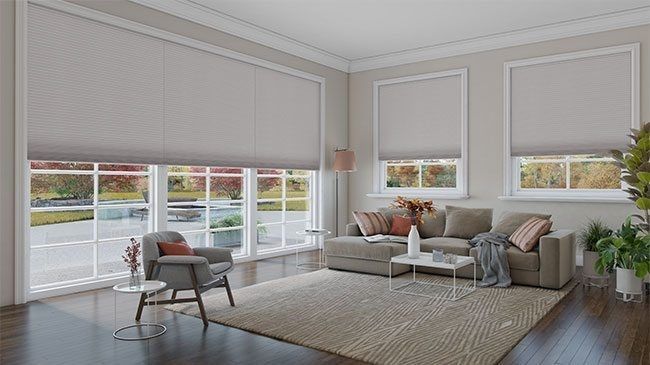
Cellular shades absorb sound. The trapped air inside cells muffles outside noise. They are often recommended for nurseries, offices, or homes in busy areas.
Roman shades do little for sound reduction. The fabric softens a room but does not significantly block outside noise.
Durability Over Time
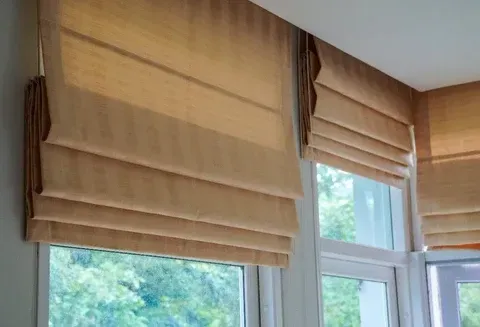
Roman shades depend on the fabric. Sunlight can fade colors. Heavy use may lead to wrinkling. Quality linings extend their lifespan.
Cellular shades are durable but need care. Dust builds inside the cells. Strong sunlight can weaken the fabric over time. Cordless or motorized versions reduce mechanical wear.
With regular maintenance, both last for years. Yet cellular shades hold up better in high-use areas because of their performance-driven design.
Cost and Long-Term Value of Roman vs Cellular Shades
Initial Cost
Roman shades vary based on fabric, style, and size. Cellular shades vary based on the number of cells and features. Both have affordable and premium options, but cellular shades with advanced insulation often cost more upfront.
Maintenance Costs and Cleaning Effort
Roman shades require regular vacuuming or professional cleaning depending on fabric.
Cellular shades need dusting and sometimes compressed air to clean the cells.
Energy Savings Over Time
Cellular shades provide higher returns. The energy savings often balance out the higher initial investment.
Resale Value and Style ROI
Roman shades increase home appeal with their tailored, classic look. For resale, style matters as much as performance. Cellular shades offer a modern aesthetic that appeals to buyers looking for efficiency.
Interior Design Style and Aesthetic Fit
Style Match for Rooms
- Bedrooms: Cellular shades for blackout and quiet.
- Living rooms: Roman shades for elegance and warmth.
- Kitchens: Cellular shades for humidity resistance and easy function.
- Offices: Cellular shades for insulation and sound control.
Colors, Textures, and Trends
Roman shades offer unlimited fabrics, from soft linens to bold prints. They suit both traditional and modern interiors.
Cellular shades are sleek and minimal, often in neutral colors, fitting contemporary spaces. If you’re comparing design choices, looking at
2025 window treatment trends can help you decide whether Roman or cellular shades better align with today’s modern home styles.
Layering and Hybrid Solutions
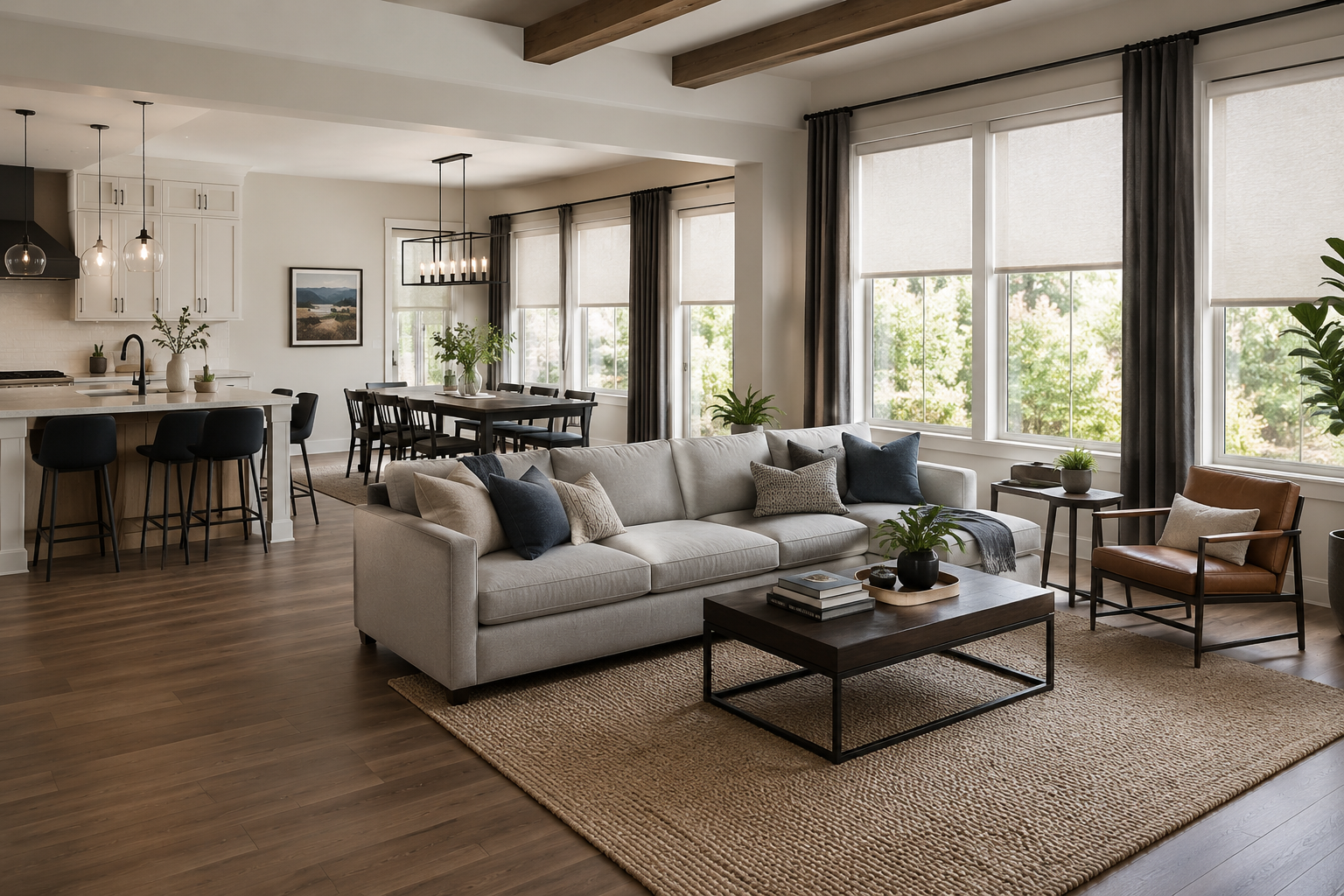
Homeowners sometimes layer Roman shades over cellular shades. This combines insulation with decorative impact. Drapes can also pair with either style for extra dimension.
Motorization and Smart Home Integration
Both styles now offer cordless and motorized options. Cellular shades are widely integrated with smart home systems, offering remote and app control. Roman shades can also be motorized, though options are less extensive.
Considerations and Lifestyle Fit

Cleaning, Allergies, Pets, and Children
- Cellular shades collect dust inside cells. Regular care is important for allergy-sensitive households.
- Roman shades gather dust on fabric folds and may require vacuuming.
- Cordless and motorized options improve child and pet safety.
Mounting and Window Types
Cellular shades suit skylights, wide windows, and specialty shapes.
Roman shades work best on standard windows but need enough depth for mounting.
Climate and Geographic Factors
- Hot and humid climates: Cellular shades perform best for cooling.
- Cold climates: Cellular shades reduce heat loss.
- Mild climates: Roman shades work well when energy efficiency is less critical.
Decision Matrix: Choosing Roman or Cellular Shades
- Choose Cellular Shades if:
- Energy efficiency is your priority
- You need blackout options for bedrooms
- Sound absorption matters
- You want smart home integration
- Choose Roman Shades if:
- Style and decor matter most
- You want a traditional or formal look
- Budget is limited
- You prefer simple maintenance for fabrics
Frequently Asked Questions
Are Roman shades better for mild climates
Yes. Roman shades work well where insulation is less critical and style is the focus.
Do cellular shades save on energy bills
Yes. Their honeycomb cells reduce heat transfer and lower energy costs.
Which lasts longer, Roman or cellular
With proper care, both last years. Cellular shades are more durable in high-use areas.
Are both safe for homes with children
Yes, when cordless or motorized options are chosen.
Can I motorize Roman shades
Yes, but options are less advanced compared to cellular shades.
Choosing the Best Window Treatment for Insulation and Style
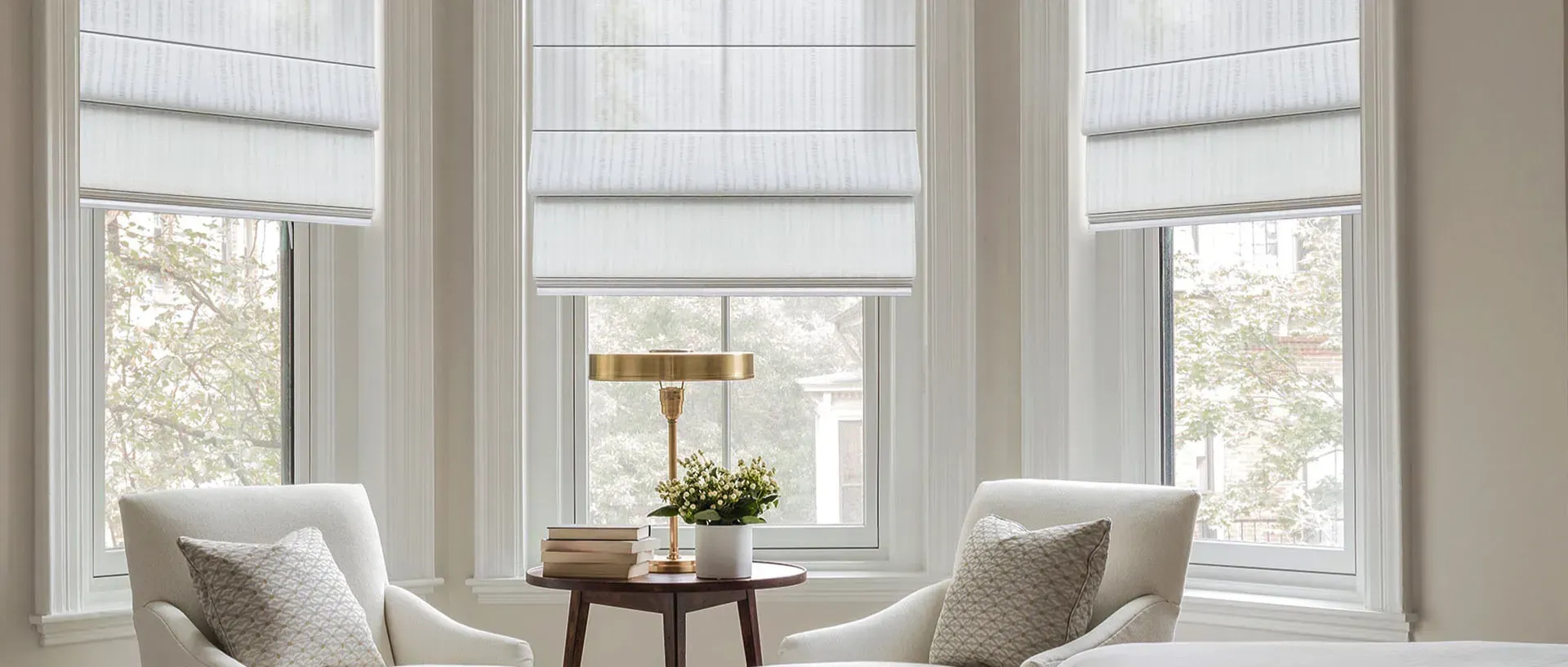
Roman Shades vs Cellular Shades: Which Is Better? The answer depends on your needs. Cellular shades are the better option for insulation, energy savings, and modern function. Roman shades are the better option for decorative impact and design flexibility.
Love Is Blinds NC recommends thinking about the room type, your climate, and your budget. Test samples before deciding. The right choice will balance both style and performance for your space.