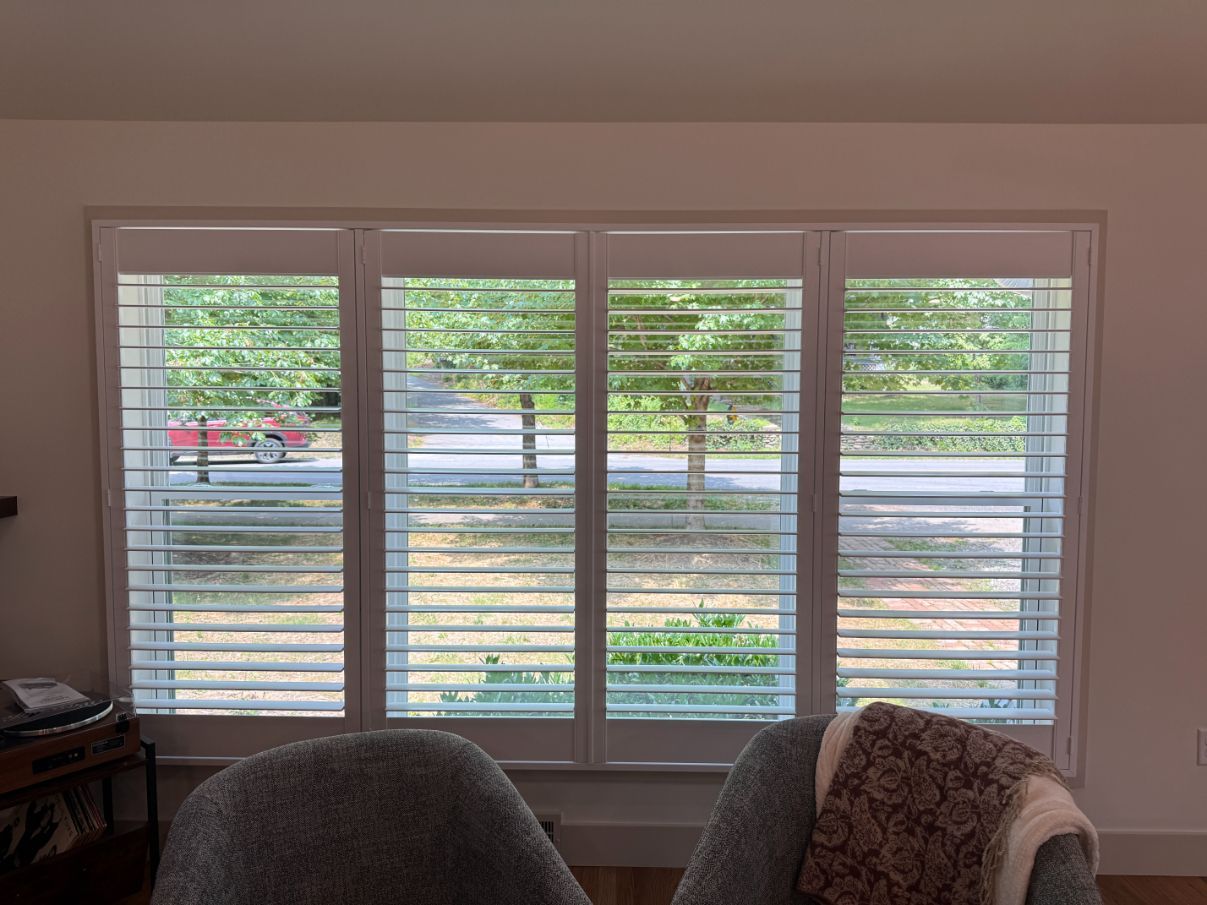

Wood vs. Faux Wood Blinds for WNC Homes
Which Is Better for Western
North Carolina Homes?
If you are comparing wood blinds vs. faux wood blinds for your WNC home, you are asking one of the most practical window treatment questions a homeowner can ask. Both options can look beautiful. Both offer strong light control and privacy. But in Western North Carolina, where humidity, changing temperatures, and mountain light all play a role, the better choice often depends on how the room is used and what kind of performance you expect over time.
At Love is Blinds NC, this is a conversation Matt has often with homeowners across Asheville, Hendersonville, Waynesville, Weaverville, and other Western North Carolina communities. A set of blinds may look perfect in a sample book, but the real question is how it will perform in your actual home. In WNC, that means thinking carefully about moisture, maintenance, durability, and style before making a final decision.
What Is the Difference Between Wood Blinds and
Faux Wood Blinds?
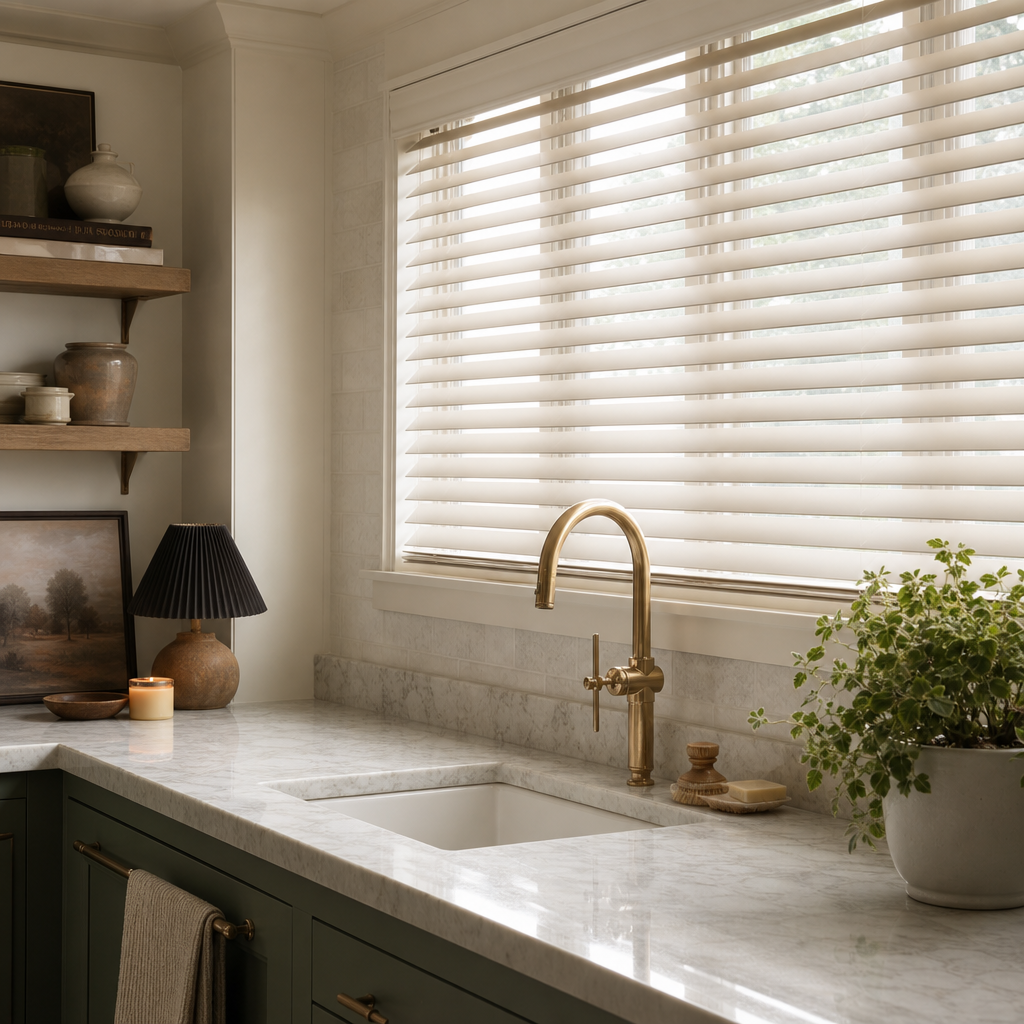
Real wood blinds are made from genuine wood and are usually chosen for their warmth, natural texture, and timeless character. They have a rich, classic look that works especially well in living rooms, dining rooms, studies, and homes with stained trim or natural wood details.
Faux wood blinds are made from composite or synthetic materials designed to look like wood while offering greater resistance to moisture and wear. Some homeowners also hear them described as composite blinds, especially when the material is more substantial and engineered for durability. They still give you the look of wood, but with easier maintenance and stronger performance in certain rooms.
Both options give you adjustable light control, privacy, and a clean finished look. The biggest difference is how they handle the environment around them.
Are Faux Wood Blinds Better for Humid Rooms?
In many cases, yes.
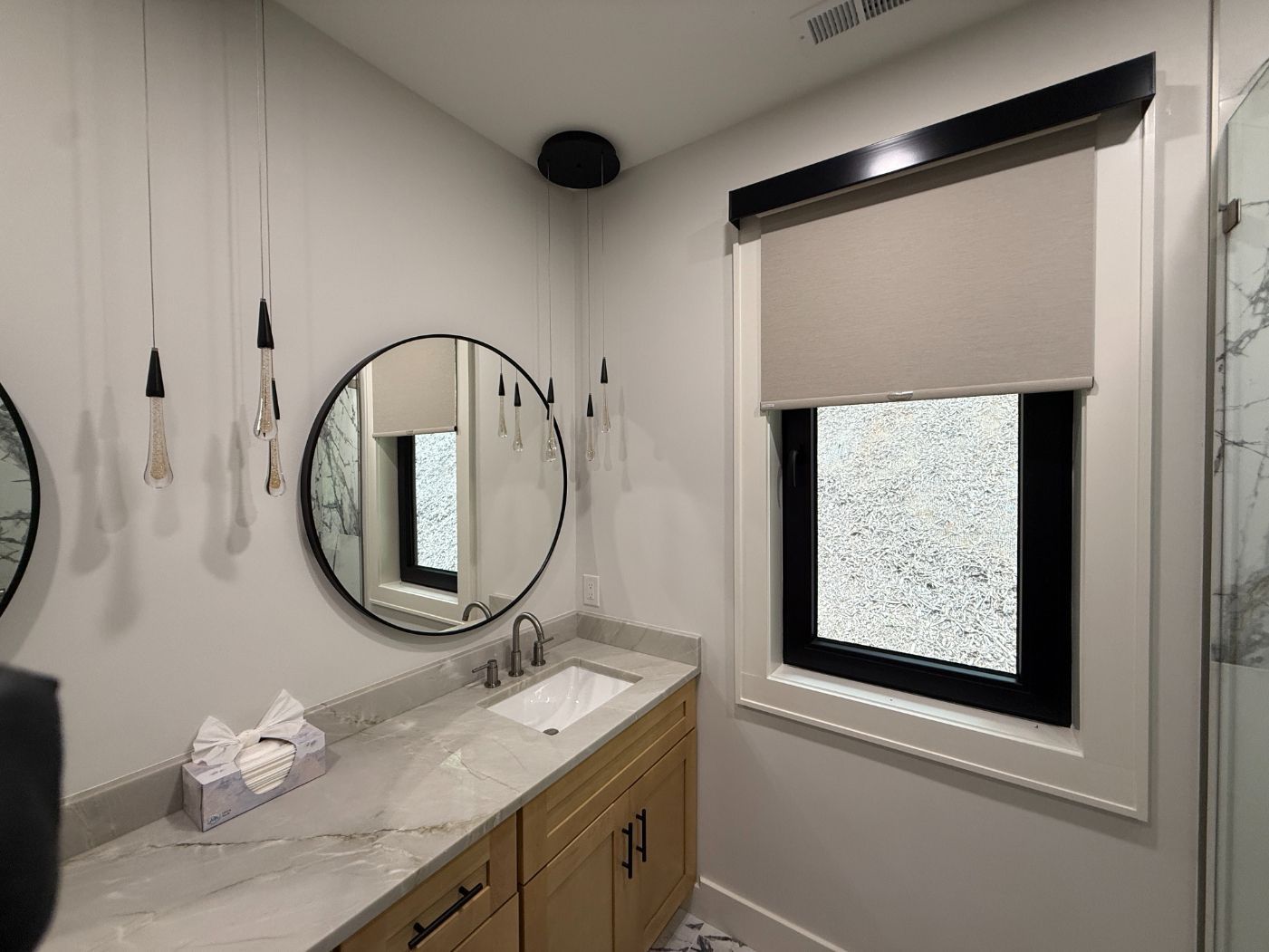
Faux wood blinds are often the more practical option for rooms where high humidity is more likely to show up. Kitchens, bathrooms, laundry rooms, basements, and some mountain homes with fluctuating moisture levels are all spaces where faux wood tends to perform better. They are less likely to react to damp air and are easier to wipe down and maintain.
That is one reason faux wood blinds are so popular in Western North Carolina. Homeowners want something that looks polished but also makes sense for the room. Faux wood blinds offer that balance. They bring in the look of traditional blinds while giving homeowners more confidence in higher-moisture spaces.
Which Looks Better: Real Wood or Faux Wood Blinds?
That depends on the room and the overall style of the home.
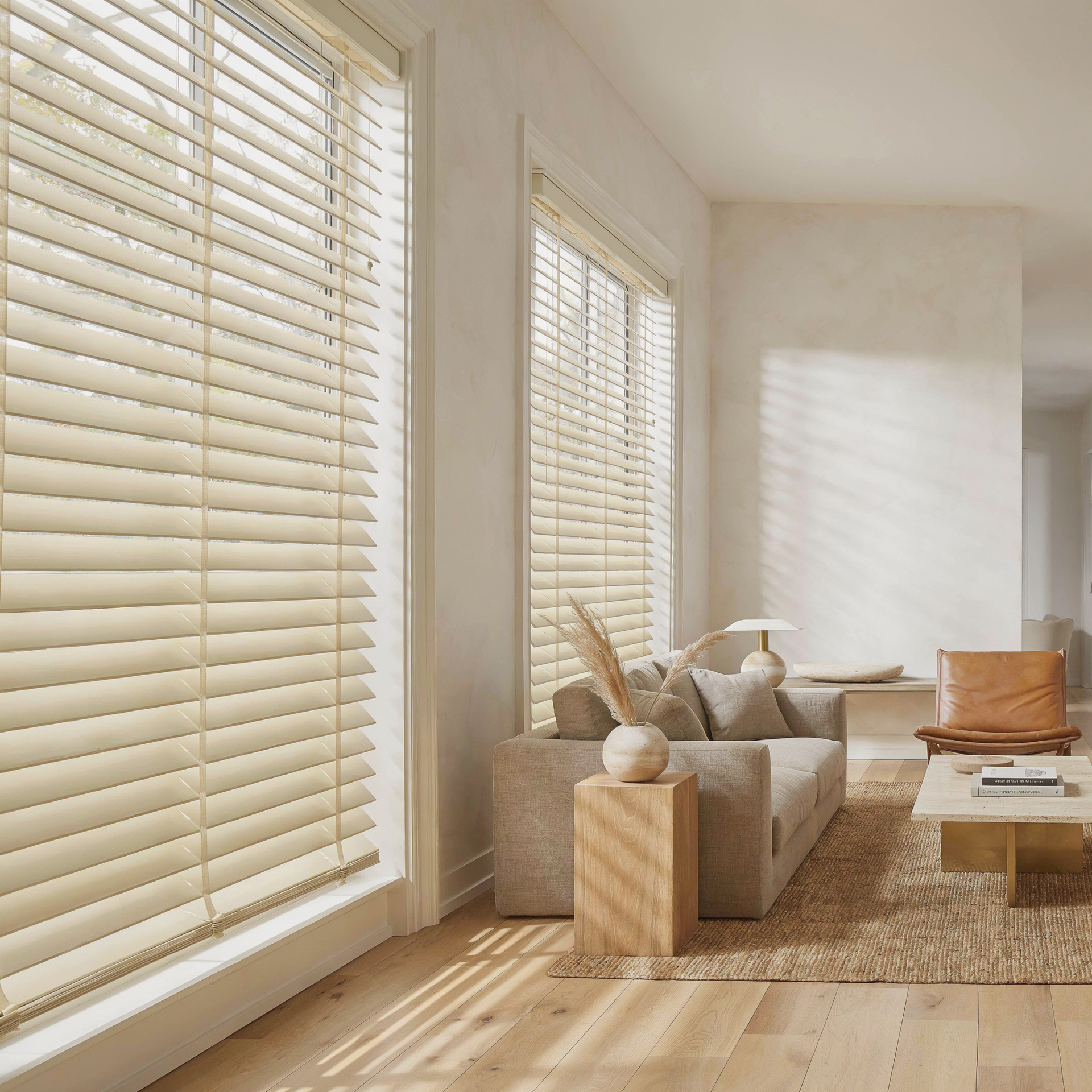
Real wood blinds usually win when the goal is warmth, richness, and a more natural finish. They tend to look especially strong in homes with wood flooring, exposed beams, stained trim, and interiors where texture matters. If you want a more elevated or classic look, real wood can be the right fit.
Faux wood blinds, on the other hand, have come a long way in appearance. Many options now look very polished and work beautifully in both traditional and updated homes. In many spaces, especially kitchens and bathrooms, the slight tradeoff in natural texture is more than worth it for the added performance and durability.
In other words, the better-looking option is often the one that fits the room best.
Are Faux Wood Blinds the Same as Composite Blinds?
They are often closely related.
Some faux wood blinds are made with composite materials, and some homeowners specifically search for composite blinds when they want something durable that still has a wood-like look. In practical terms, both terms usually point to a similar benefit: a blind that offers the visual appeal of wood with better resistance to moisture and easier maintenance.
For WNC homeowners, that is especially useful language to understand because the product decision often comes down to performance. If you are looking for blinds that can handle more moisture and daily wear, composite-style faux wood blinds are often one of the best options to consider.
What Rooms Are Best for Faux Wood Blinds?
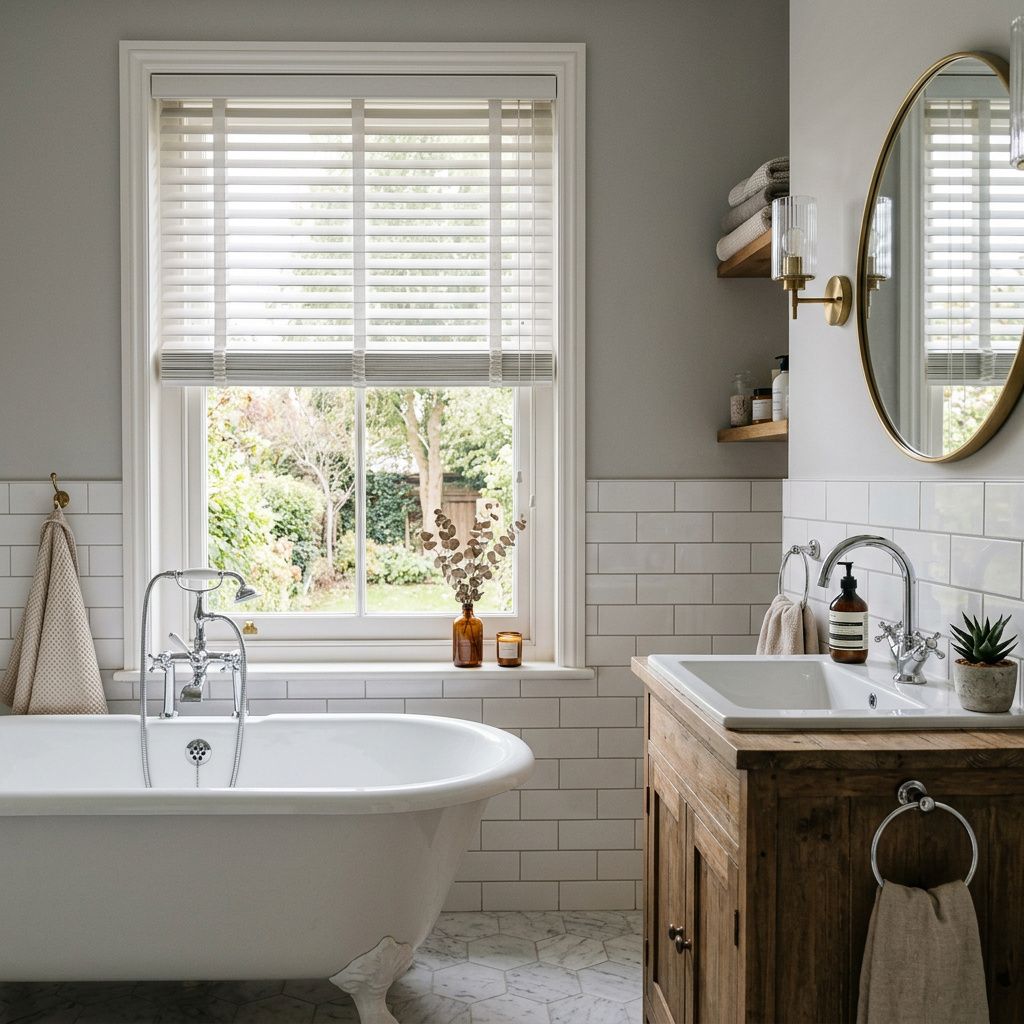
Faux wood blinds are often the smart choice in rooms where moisture, traffic, or maintenance matter more. These often include:
- bathrooms
- kitchens
- laundry rooms
- mudrooms
- guest spaces
- lower-level rooms with more humidity
In WNC homes, that flexibility makes faux wood a very practical category. Many homeowners end up using a mix, choosing real wood in some rooms and faux wood in others depending on what each space needs.
Why Work With Love is Blinds NC for Wood or
Faux Wood Blinds?
At Love is Blinds NC, the goal is not to steer every homeowner toward the same product. It is to help you choose the option that fits your home, your room, and your priorities. A free in-home consultation allows Matt to look at the actual lighting, finishes, moisture conditions, and layout before making a recommendation.
Ready to find the perfect window treatments for your home? Whether you’re in a classic mountain craftsman in Asheville, a vacation home in Cashiers, or a new build in Clemmons, Matt and the Love is Blinds NC team are here to help.
FAQs
Q: Are faux wood blinds better than wood blinds in WNC humidity?
A: In many moisture-prone rooms, yes. Faux wood blinds usually handle humidity better and are often a more practical choice for bathrooms, kitchens, and laundry rooms in Western North Carolina.
Q: What is the main difference between wood blinds and faux wood blinds?
A: The biggest difference is the material and how it performs. Real wood blinds offer a richer natural look, while faux wood blinds offer better moisture resistance and easier maintenance.
Q: Which is easier to clean, wood blinds or faux wood blinds?
A: Faux wood blinds are usually easier to maintain because they are more resistant to moisture and easier to wipe down in busy rooms.